
India Legal News
Supreme Court Cracks Down on AI-Generated Fake Judgments, Warns of Judicial Misconduct

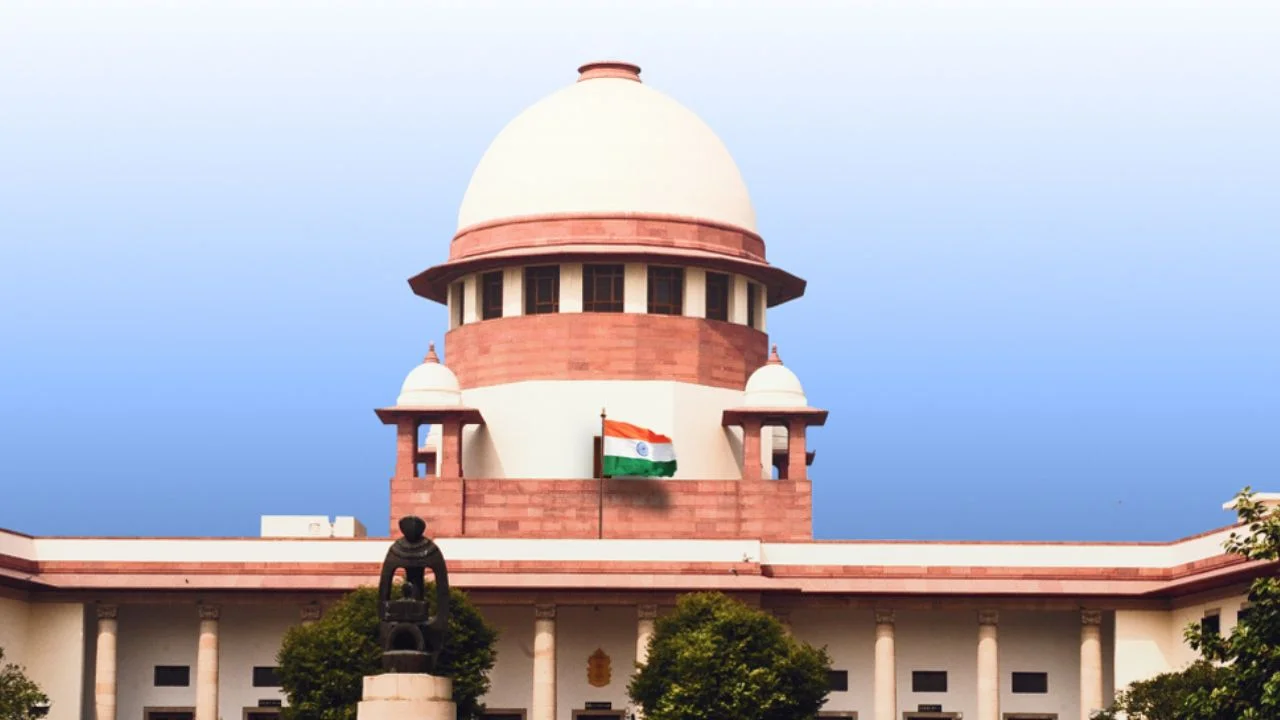
The Supreme Court of India has issued a stern warning about the use of artificial intelligence-generated fake judgments in judicial proceedings, cautioning that citing non-existent rulings could amount to judicial misconduct and undermine the integrity of the legal system.
Case Background
The warning emerged during a hearing on a petition challenging a decision by the Andhra Pradesh High Court. While reviewing records, the Bench discovered that certain precedents cited by a trial court appeared non-existent and were allegedly produced using an AI-based tool. The apex court expressed serious concern over the potential misuse of AI in judicial reasoning.
Emphasis on Verification and Due Process
The Bench highlighted that judicial orders must rely on verified facts, evidence, and authentic legal precedents. Judges are responsible for ensuring that every case cited is genuine and relevant. Using fabricated or AI-generated rulings without verification compromises fairness and can have severe consequences for litigants and the justice system.
The court stressed that technological convenience cannot replace independent judicial scrutiny. Orders based on non-existent authorities could attract legal consequences, including disciplinary action against erring judges.
Institutional and Systemic Concerns
The Supreme Court noted that the issue goes beyond individual cases. With AI increasingly used for legal research and drafting, unchecked reliance on automated outputs can pose systemic risks. Erroneous or fictitious citations can distort legal records, create misleading precedents, and erode public confidence in the judiciary.
The Bench emphasized that AI should serve only as an aid, not a substitute for due diligence. Every output from digital tools must be independently verified before being incorporated into judicial orders.
Notice to Top Law Officers
Recognizing the broader implications, the Supreme Court issued notices to the Attorney General and Solicitor General to provide guidance on regulating AI use in courts. The court indicated it may establish protocols, safeguards, and accountability mechanisms to ensure responsible adoption of technology in judicial functions.
Implications for the Legal Community
Legal experts note that AI and digital research platforms can improve efficiency but carry risks if relied upon uncritically. Instances of incorrect or fabricated case citations have already been reported in multiple jurisdictions.
The apex court’s intervention signals that the Indian judiciary is vigilant about balancing technological innovation with judicial responsibility. Courts must ensure that AI-assisted research aligns with established legal standards and does not compromise the authenticity of decisions.
Next Steps
The matter will be heard again after responses from the top law officers. Depending on findings, the court may examine whether disciplinary measures are necessary and whether structured guidelines should be framed to regulate AI use in courts.
The Supreme Court’s message is clear: authenticity, verification, and accountability remain the cornerstones of judicial credibility, even in an era of rapidly evolving technology.


Fugitive businessman Mehul Choksi has abandoned his damages claim in the UK High Court over his allegation that he was kidnapped from Antigua in 2021 and taken to Dominica as part of an alleged effort to return him to India.
The legal action ended after Choksi failed to provide court-ordered security for the defendants’ legal costs. The amount involved was £677,000, equivalent to roughly ₹8.6 crore. The court’s earlier judgment had required security for costs while jurisdiction and other preliminary issues remained unresolved.
What Did Mehul Choksi Claim?
Choksi alleged that the Indian government conspired with several individuals to unlawfully detain and transport him from Antigua to Dominica on May 23, 2021.
According to his case, he was lured to an apartment, assaulted and forcibly taken onto a boat before being transported to Dominica. He alleged that the operation was connected to efforts to secure his return to India, where he faces allegations linked to financial crimes.
The defendants have denied the allegations. The Government of India also challenged the UK court’s jurisdiction and relied on state-immunity arguments. The High Court judgment recorded that no final determination had been made on the truth of Choksi’s allegations.
Why Did Choksi Abandon the Case?
The claim did not reach a full trial on the allegations.
In February 2026, Justice Mansfield ordered Choksi to provide security for the defendants’ legal costs. The court ordered £425,000 in security for Gurdip Bath and Leslie Farrow-Guy, while a further £252,000 was ordered for Gurmit Singh and Gurjit Singh Bhandal.
Choksi failed to make the required payment. His claims against several defendants were subsequently struck out, and his lawyers later filed to discontinue the remaining proceedings against the Indian government and Barbara Jarabik.
As a result, the allegations themselves were not finally determined by the UK court.
Court Raised Questions About Evidence
The February judgment focused primarily on applications for security for costs rather than deciding whether Choksi’s kidnapping allegations were true.
The court examined issues including the strength of the case, the potential difficulty of recovering costs from a claimant living outside the jurisdiction and Choksi’s ability to provide the required security.
Reports on the proceedings also noted that some of the evidence relied upon by Choksi was given limited or no evidential weight. However, the court’s decision to require security for costs was not itself a final ruling that the alleged kidnapping did or did not occur.
Choksi Remains in Belgium as Extradition Case Continues
The UK litigation is separate from Choksi’s extradition proceedings in Belgium.
Choksi was arrested in Belgium in 2025 following India’s request for his extradition. An Antwerp court later issued an advisory opinion supporting extradition, but Belgian authorities said the final decision remained under examination as of August 2026.
Indian authorities want Choksi returned in connection with allegations arising from the Punjab National Bank fraud case, which also involves fugitive businessman Nirav Modi.
Sandeep Mistry Deported From UAE to India
The latest development involving Choksi comes alongside another major action in the wider Nirav Modi-linked investigation.
The Central Bureau of Investigation recently secured the deportation of Sandeep Mistry from the United Arab Emirates to India. Mistry was wanted in connection with the PNB fraud investigation and had been the subject of an Interpol Red Notice issued in July 2026.
CBI alleges that Mistry helped coordinate the operations of overseas entities connected to the case and was involved in fictitious international trade transactions. Investigators have also alleged that he helped prepare forged documents and pressured nominal directors of foreign companies. These remain allegations in the criminal case.
After arriving in Mumbai, Mistry was arrested by the CBI and produced before a special court. He was subsequently remanded to judicial custody until October 6.
What Happens Next for Choksi?
With the UK damages claim abandoned, Choksi’s immediate legal challenges remain focused elsewhere, particularly on the extradition proceedings in Belgium.
The UK case did not produce a judicial finding confirming his allegations of kidnapping or establishing liability against the Indian government or the other defendants. Instead, the proceedings ended after the required security for legal costs was not provided.
Meanwhile, Indian investigative agencies continue pursuing individuals linked to the wider PNB fraud investigation, including suspects and accused persons who have remained outside the country. The deportation of Sandeep Mistry from the UAE is the latest example of those international efforts.
India Legal News
Written Reasons for Arrest Must Be Given at the Time of Arrest, Rule Also Applies to UAPA-PMLA Cases: Supreme
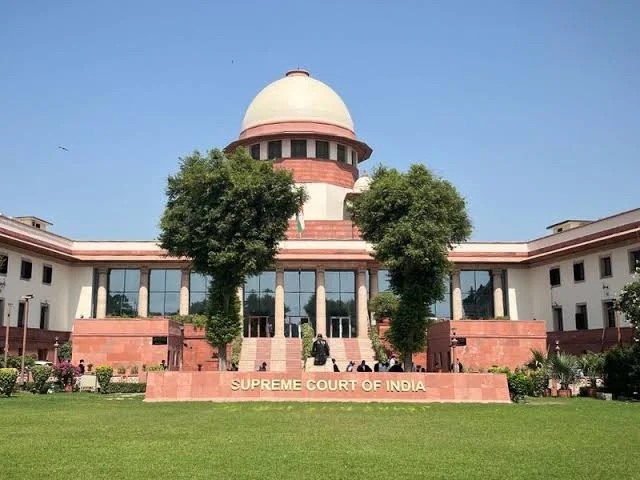
The Supreme Court of India has reiterated that an arrested person has a constitutional right to receive the grounds of arrest in writing and in a language they understand, with the requirement applying across criminal cases, including proceedings under special laws such as the Unlawful Activities (Prevention) Act (UAPA) and the Prevention of Money Laundering Act (PMLA).
A Bench comprising Justice Ujjal Bhuyan and Justice Atul S. Chandurkar delivered the ruling in Jaskaran Jeet Singh Deol v. State of Punjab on September 21, 2026. The court emphasized that Article 22(1) of the Constitution provides a mandatory safeguard that cannot be diluted simply because the allegations involve a serious offence.
Written Grounds of Arrest Are a Constitutional Safeguard
The court held that the grounds of arrest must ordinarily be provided in writing and at the time of arrest, with a copy furnished to the arrested person.
The information must be communicated in a manner and language that the accused can understand. The purpose is to allow the person to understand why they have been arrested and to effectively seek legal advice and challenge the detention or seek other remedies available under law.
The judgment stressed that Article 22(1) does not create an offence-specific exception. The safeguard therefore applies to arrests made under ordinary criminal laws as well as special legislation.
UAPA and PMLA Cases Also Covered
The Supreme Court specifically discussed earlier rulings concerning arrests under the PMLA and UAPA.
In the PMLA context, the court referred to the requirement that an arrested person must receive written grounds so that they can understand the basis of the arrest and exercise their legal remedies, including seeking bail.
The court also relied on the principle established in the UAPA case of Prabir Purkayastha, under which a person arrested under the anti-terror law also has a fundamental and statutory right to receive the grounds of arrest in writing.
The judgment therefore makes clear that the constitutional safeguard is not limited by the particular statute under which a person is arrested.
Limited Exception in Immediate Arrest Situations
The court also addressed situations in which providing written grounds immediately may be impractical.
Where police already possess documentary material supporting an arrest, the written grounds should be furnished at the time of arrest. In exceptional circumstances, such as certain offences committed in the act where immediate written communication is impractical, the grounds may initially be communicated orally.
Even in such cases, however, a written copy must be supplied within a reasonable period and, according to the judgment’s framework, no later than two hours before the arrested person is produced before a Magistrate for remand.
Unlawful Arrest Can Lead to Release
The Supreme Court reiterated that failure to comply with the constitutional requirement can render an arrest and subsequent remand legally unsustainable.
The court emphasized that a later filing of a chargesheet or an order taking cognizance does not retrospectively cure an unconstitutional arrest.
The judgment also referred to the importance of ensuring that an arrested person receives sufficient information to understand the allegations and consult legal counsel.
Re-Arrest Requires Judicial Oversight
The court imposed additional safeguards where an accused has been released because the arresting authority failed to provide the required written grounds.
The power to simply re-arrest the person cannot be left entirely with the same authority whose failure resulted in the constitutional violation. A fresh application must be made after the written grounds have been supplied, with an explanation for the earlier non-compliance, and the matter requires judicial consideration.
The judgment further indicates that the application should carry the endorsement of the immediate superior authority. The concerned Magistrate is then required to consider the request expeditiously while following principles of natural justice.
Court Stresses Importance of Personal Liberty
The Supreme Court relied on its earlier jurisprudence concerning Article 22(1), including decisions dealing with PMLA, UAPA and other criminal proceedings.
The broader principle is that the seriousness of an allegation does not by itself remove constitutional protections available to an arrested person. The procedure established by the Constitution must be followed when the State restricts an individual’s personal liberty.
The ruling in Jaskaran Jeet Singh Deol therefore reinforces written communication of arrest grounds as a mandatory constitutional safeguard while also setting out procedural requirements for exceptional cases and any subsequent attempt to re-arrest an accused.

Police in Gujarat have registered a criminal case against directors and senior officials of Ahmedabad-based Unique Mercantile India Limited for allegedly cheating investors through fixed deposit and monthly income schemes promising high returns.
The company, operating from Popular House in Navrangpura, allegedly collected investments by assuring attractive payouts but later stopped interest payments, closed its office, and failed to repay maturity amounts totaling ₹14.83 lakh, according to the complaint filed with police.
Investor Complaint Triggers Police Investigation
The case was initiated after a complaint by Vishnubhai Bholidas Patel, a 58-year-old resident of Kalol in Gandhinagar district.
According to the FIR, Patel was introduced to Unique Mercantile India Limited in 2017 through company representatives Sanjay Patel and Rajesh Patel. The agents allegedly promoted fixed-term deposit plans and monthly income schemes with assured returns.
Patel later joined the company as an agent and helped attract additional investors after attending promotional meetings conducted by company representatives. He invested his own money and encouraged relatives and acquaintances to participate in the schemes.
Between 2017 and 2018, Patel allegedly mobilized investments worth ₹11.65 lakh, with the company’s promised maturity liability reaching ₹15.93 lakh.
The FIR names company directors Utkarsh Rai, Rahul Rai, and Raj Kumar Rai, along with managers Mukeshbhai Patel and Ghanshyambhai Patel, alleging that they misrepresented the investment plans and failed to meet repayment commitments.
Interest Payments Stopped After Initial Trust-Building
The complaint alleges that the company initially made periodic interest payments and provided commissions to agents, helping build confidence among investors.
However, payments reportedly stopped around 2020. When investors approached the company’s Navrangpura office, officials allegedly cited financial difficulties linked to the Covid-19 pandemic and assured them that pending dues would be cleared.
The company later shut down operations without fully settling investor claims. Police records indicate that only ₹1.10 lakh was repaid through installments, leaving an outstanding amount of ₹14.83 lakh.
Police Probe Financial Records
Ahmedabad Police have registered the case under relevant provisions of the Bharatiya Nyaya Sanhita (BNS) related to cheating and criminal breach of trust.
Investigators are examining financial documents, bank records, and other evidence to determine the complete scale of the alleged irregularities and identify whether additional investors were affected.
Experts Warn Against Unverified High-Return Schemes
Financial fraud experts have repeatedly warned investors about schemes offering unusually high or guaranteed returns without proper regulatory oversight.
Experts advise investors to verify whether investment companies are registered with appropriate authorities such as the Securities and Exchange Board of India (SEBI) or the Reserve Bank of India (RBI) before committing funds.
Authorities have also urged people to be cautious of investment opportunities promoted through aggressive marketing, commission-based networks, and promises of risk-free profits.
-

 Business3 years ago
Pot Odor Does Not Justify Probable Cause for Vehicle Searches, Minnesota Court Affirms
-

 Business3 years ago
New Mexico cannabis operator fined, loses license for alleged BioTrack fraud
-

 Business3 years ago
Alabama to make another attempt Dec. 1 to award medical cannabis licenses
-

 Business3 years ago
Washington State Pays Out $9.4 Million in Refunds Relating to Drug Convictions
-

 Business3 years ago
Marijuana companies suing US attorney general in federal prohibition challenge
-

 Business3 years ago
Legal Marijuana Handed A Nothing Burger From NY State
-

 Business3 years ago
Can Cannabis Help Seasonal Depression
-

 Blogs3 years ago
Cannabis Art Is Flourishing On Etsy