
Business
Is Solar Power the Future of Cannabis Growing if Electricity Is Such A Major Cost?


Solar panels for indoor cannabis grows could improve margins and help the environment!
Installing solar panels in an indoor system of cultivation helps to significantly reduce energy consumption and the resulting cost of electricity.
Every farmer knows that indoor cultivation is quite energy-intensive. In fact, according to the data available, about 1% of the total energy supplied in the US goes into the indoor cultivation of plants. It is also predicted that by 2035, the number will surge up to 3%.
As regards indoor cannabis cultivation, it is estimated that all equipment used in the cultivation of high-quality buds in a grow room of 3.5m3 will use approximately 13,000 kWh of electricity annually. Furthermore, the equipment used to cultivate healthy and happy cannabis plants produces so much CO2. To have a clear picture, cultivating a kilo of cannabis bud will give 4.3 tons of CO2.
Because of the secrecy involved in indoor cultivation, its impacts on the environment and ozone layer could not have been determined till now. But, with cannabis legalization sweeping across the globe, numbers are beginning to roll in, indicating that indoor cultivation is not an eco-friendly venture.
Fortunately, there are several ways to go about these said problems. A solution is to move to outside cultivation, go back to the beginning and allow the wind to take care of air conditioning and the sun to be the lighting. However, this is not an option for many growers who reside in countries where cannabis is still considered illegal. Hence, there is a need to hide the plant.
Now, the other solution farmers in this kind of situation have all depends on the sun, although in a different approach. We are certainly referring to Solar Panels.
Setting up Solar Panels
Grow rooms powered by Solar panels are not the latest inventions. This kind of setup has been popular due to its expensive initial cost of investment. But, ain’t solar panels becoming cheaper and more efficient in energy conversion, the issue of cost is slowly fading away.
Another reason why solar panel setups are not popular is the lack of technical know-how on the grower’s part. Many growers would rather go for tried and tested methods instead of experimenting with solar panel setups. This is the reality given there’s little room for an average grower to experiment since it could lead to crop losses and ultimately financial losses.
For close to a decade now renewable energy production has increased significantly courtesy of China’s high levels of production. Meanwhile, there has also been a steady advancement in technology in the same period causing renewable energy to become a more stable energy source. But, considering the working principles of solar energy, sodium light pressure in grow rooms can prove difficult to power. Sodium light pressure needs a lot of power to work which implies more batteries will be needed which will also take up more space.
Luckily, switching to CFLs or LEDs would help solve this situation, but how many expert growers are willing to make such a sudden switch? The best approach now is to design a hybrid system – one that uses both solar and the grid. This is a perfect solution to the dilemma. It offers a lot of renewable energy benefits while significantly reducing the cost of electricity.
For many who would want nothing less than a fully functional solar-powered grow room, the latest innovations in electricity storage come to the rescue. Today, high-capacity batteries that can produce up to 10kWh and are efficiently charged by solar energy have been developed. These batteries can also be charged with electricity during cheap hours and so can be used in a hybrid system. A good example of such a battery would be the high-end solar Tesla battery which was made available in the market just last year.
The Outcome
Setting up a completely renewable energy system for indoor cultivation is an expensive venture. Picture buying the expensive 10kWh battery manufactured by Tesla which is not even sold at local utility stores. You would need to buy solar panels too which are not cheap either, although prices vary from one country to the next.
Let’s assume a grow room of size 0.6m by 0.6m needs total energy of 2kW and solar panels cost $7 per watt. That’s a total of $14,000 spent on solar panels and it’s obvious that you spend more with a bigger room. For the Tesla battery, one costs about $3,500, and buying just one certainly won’t cut it.
Although one vital thing you should know is that all of this is a one-time purchase. Once the panels are installed, they start paying you back. The panels won’t need changing and maintenance is minimal (periodic cleaning of the panel surface). Efficiency tends to drop per year though, with an estimation of 0.5% drop in efficiency which is highly negligible. Most panels are said to maintain an efficiency of 80% after 25 years of use.
The batteries, on the other hand, will need to be frequently changed as capacity starts decreasing from the first day. Battery capacities after five years would have degraded considerably. While it comes off as expensive to set up this system, understand that the cost of electricity can reach these numbers in years to come depending on your operational size.
Taking the costs to establish this system into consideration, the ROI could range between three to four years. But as technological advancement meets the field, the time frame keeps reducing. Imagine not having electricity troubles or worrying about electricity costs, or not getting a standby generator to avoid suspicion. Also, imagine not contributing to the carbon footprint in the environment – that’s what solar panels and renewable energy offer.
Conclusion
Frankly, venturing into establishing a solar-paneled powered grow room requires a lot of logistics and planning. And most importantly, a large pool of investment capital. For growers who already have a working setup that doesn’t involve any renewable energy sources, it would be best to ease into the renewable system, especially if you operate a huge setup.
However, for growers just building a new setup, integrating solar panels in the system should be something of consideration. Because the truth is told, self-sustainable grow rooms are the future of indoor cannabis cultivation.








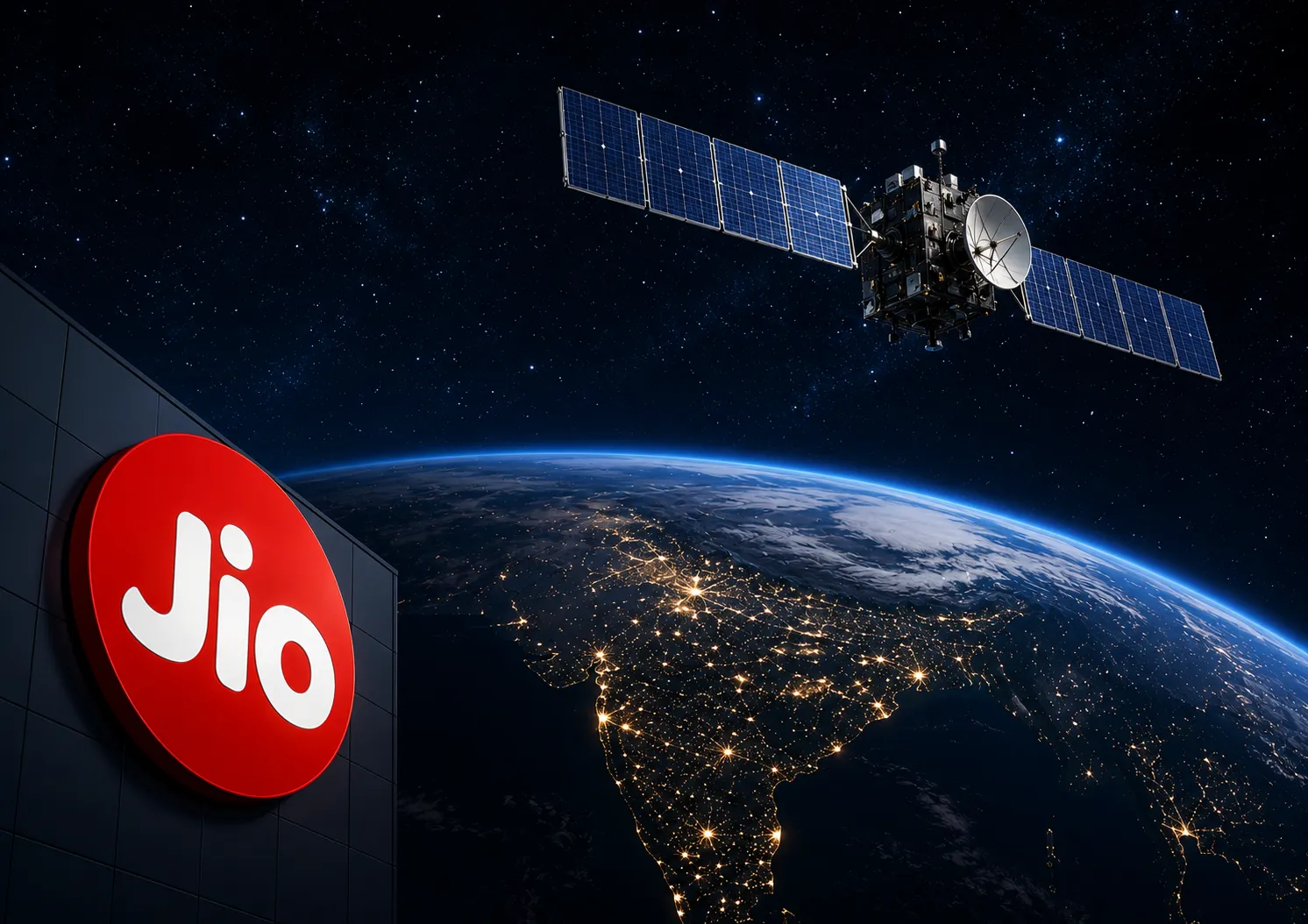
Reliance Jio has crossed a significant milestone in its space connectivity ambitions after its proposal to deploy a Low Earth Orbit (LEO) satellite constellation of around 1,600 satellites received a positive technical assessment from the Indian National Space Promotion and Authorisation Centre (IN-SPACe).
The evaluation, conducted jointly by IN-SPACe, the Indian Space Research Organisation (ISRO), and the Wireless Planning and Coordination (WPC) wing of the Department of Telecommunications, reportedly concluded that Jio’s proposed system meets the required technical standards and is comparable to leading global satellite broadband networks.
India’s Indigenous LEO Satellite Vision
Under the proposal, Reliance Jio plans to deploy between 1,600 and 1,650 satellites in Low Earth Orbit at an altitude of around 650 kilometres.
The planned constellation is expected to provide high-speed satellite connectivity across India, with approximately 32 satellites visible from any location at a given time. The company aims to roll out the network within the next two to three years, subject to regulatory approvals.
According to industry estimates, the satellite system could deliver 4.5 to 5 terabits per second (Tbps) of total data capacity, making it one of the largest satellite broadband projects proposed in India.
The project is expected to require an investment of $10–15 billion (approximately ₹95,000 crore to ₹1.42 lakh crore), reflecting the scale of infrastructure needed for satellite manufacturing, launches, ground stations, and user terminals.
Regulatory Process Moves Forward
Following the successful technical review, the proposal is expected to move into the next phase of regulatory approvals.
The government may now assist Jio in securing orbital slots, coordinating spectrum usage, and filing applications with the International Telecommunication Union (ITU), the global body responsible for managing satellite orbit and frequency allocations.
Obtaining orbital rights remains a critical step, as Low Earth Orbit has become increasingly competitive due to the growing number of satellite broadband projects being planned worldwide.
Officials also indicated that the proposed satellite architecture has been designed to coexist with future Indian LEO constellations, allowing multiple domestic operators to share orbital resources efficiently.
Broadband, Mobile Connectivity, and Strategic Applications
Jio plans to use the satellite network to provide a range of communication services, including satellite broadband, mobile backhaul, enterprise connectivity, and direct-to-device (D2D) satellite communication, particularly in remote and underserved regions where conventional telecom infrastructure is limited.
The company also intends to establish 20 to 22 ground stations across India to support network operations.
Apart from commercial telecommunications, officials have highlighted the project’s potential strategic importance. A domestically developed satellite constellation could strengthen India’s communication infrastructure, reduce dependence on foreign satellite operators, and support national security requirements.
Reports suggest preliminary discussions are underway regarding the possibility of integrating defence-related payloads into some satellites, enabling both civilian and strategic use.
Major Step for India’s Space and Telecom Sectors
Industry analysts view the technical clearance as an important milestone in India’s expanding private space ecosystem. If Jio secures the remaining regulatory approvals and international orbital clearances, the project could become the country’s first large-scale indigenous LEO satellite broadband network.
The initiative also aligns with India’s broader efforts to expand digital connectivity while strengthening its presence in the global satellite communications market.

After evading law enforcement for nearly 13 years, an accused linked to a large-scale pharmaceutical fraud case has been arrested by Delhi Police from Surat, Gujarat. The suspect is alleged to have orchestrated a series of financial scams involving fake identities, forged documents, and dishonoured cheques used to procure high-value pharmaceutical raw materials.
Authorities say the accused, identified as Himmat Singh Lodha, is believed to have defrauded multiple pharmaceutical companies in Delhi of goods worth approximately ₹98 lakh before disappearing and remaining underground for years.
Fake Business Deals and Dishonoured Cheques Used in Fraud
Investigators claim the accused posed as a legitimate pharmaceutical trader and placed bulk orders for expensive drug ingredients, offering post-dated cheques as payment security.
In one documented case from 2013, he allegedly obtained around 550 kilograms of Gliclazide, a diabetes-related pharmaceutical ingredient, valued at over ₹26 lakh. When suppliers attempted to encash the cheques, they were reportedly returned with the remark “account closed.”
Following the transaction, the accused allegedly vacated his office and rented residence and disappeared without settling payments. He was later declared a proclaimed offender in 2016 after repeatedly failing to appear before court proceedings. Authorities had also issued a reward for information leading to his arrest.
Multiple Identities and Repeated Fraud Pattern
Police investigations further link the accused to another cheating case dating back to 2012, where he allegedly used a fake identity, “Kailash Jain,” to obtain a large consignment of Ambroxol HCL, a pharmaceutical compound used in cough medications. The value of that consignment was estimated at around ₹72 lakh.
Officials believe the accused followed a consistent modus operandi—posing as a credible businessman, securing high-value goods on deferred payment terms, and then disappearing after delivery while shutting down business operations.
Investigators suspect that forged business records, fake company credentials, and fabricated financial histories were used to build trust with suppliers and gain access to expensive raw materials.
Multi-State Surveillance Leads to Arrest in Surat
A special Crime Branch team tracked the accused through coordinated surveillance efforts across multiple cities, including Mumbai, Ahmedabad, and Surat. After nearly a month of technical monitoring and intelligence gathering, officials located and arrested him from a residential area in Surat.
Authorities also revealed that the accused had been involved in property-related activities while staying under the radar to avoid detection.
Growing Threat of Corporate Identity Fraud
The case highlights a rising trend of organised financial fraud targeting industries that rely heavily on trust-based transactions and deferred payments. Experts note that criminals increasingly exploit gaps in corporate verification systems by using fake GST registrations, temporary offices, and forged documentation to appear legitimate.
Cybercrime and financial fraud specialists warn that such schemes are becoming more complex with the widespread availability of digital business tools, making it easier to create convincing but fraudulent corporate identities.
Experts Urge Stronger Due Diligence in High-Value Transactions
Experts, including former IPS officer and cybercrime specialist Prof. Triveni Singh, emphasize the need for stricter verification procedures in commercial dealings. He noted that relying solely on paperwork or digital business profiles can expose companies to significant financial risk.
Authorities and industry experts recommend physical verification of business operations, bank account validation, and detailed background checks before engaging in high-value or deferred-payment transactions—particularly in sectors like pharmaceuticals, where single consignments can involve transactions worth crores.
Business
EU Pressure Builds on Google as Regulators Face Calls for Massive Fine Over Search Practices


A growing coalition of European industry groups is intensifying pressure on regulators to take decisive action against Google over allegations of unfair search practices that could reshape competition rules across the region’s digital economy.
Investigation Under Digital Markets Act Gains Momentum
The case is being examined by the European Commission under the European Union’s landmark Digital Markets Act (DMA), introduced to curb the dominance of major technology platforms and ensure fair competition.
Launched in March 2024, the investigation focuses on whether Google has been prioritising its own services in search results, potentially disadvantaging rival businesses that rely on online visibility to reach customers.
Industry Groups Demand Swift Action
Several prominent European organizations have jointly urged regulators to conclude the probe without further delay. They argue that prolonged investigations allow alleged anti-competitive practices to continue, putting European companies—especially startups—at a disadvantage.
Signatories include the European Publishers Council, the European Magazine Media Association, the European Tech Alliance, and EU Travel Tech.
In a joint statement, these groups warned that delays in enforcement are affecting innovation, profitability, and growth prospects for regional businesses competing in digital markets.
Google Denies Allegations
Google has rejected claims of bias, stating that its search algorithms are designed to deliver the most relevant and useful results to users. The company has also proposed adjustments to address regulatory concerns.
However, critics argue that these changes are insufficient and fail to address the core issue of market dominance.
Potential Billion-Euro Penalties
If found in violation of the DMA, Google could face significant financial penalties. Under EU rules, fines can reach a substantial percentage of a company’s global turnover, potentially amounting to billions of euros.
Regulators may also impose corrective measures requiring changes to business practices, which could have long-term implications for how digital platforms operate in Europe.
Wider Implications for Big Tech
The case highlights ongoing tensions between European regulators and major U.S. technology firms. In recent years, the EU has taken a more aggressive stance in enforcing competition laws, aiming to create a level playing field for local businesses.
A final ruling against Google could set a major precedent, influencing future enforcement actions and shaping the regulatory landscape for global tech companies operating within Europe.
As scrutiny intensifies, the outcome of the investigation is expected to play a critical role in defining the future of digital competition across the European Union.
-

 Business3 years ago
Pot Odor Does Not Justify Probable Cause for Vehicle Searches, Minnesota Court Affirms
-

 Business3 years ago
New Mexico cannabis operator fined, loses license for alleged BioTrack fraud
-

 Business3 years ago
Alabama to make another attempt Dec. 1 to award medical cannabis licenses
-

 Business3 years ago
Washington State Pays Out $9.4 Million in Refunds Relating to Drug Convictions
-

 Business3 years ago
Marijuana companies suing US attorney general in federal prohibition challenge
-

 Business3 years ago
Legal Marijuana Handed A Nothing Burger From NY State
-

 Business3 years ago
Can Cannabis Help Seasonal Depression
-

 Blogs3 years ago
Cannabis Art Is Flourishing On Etsy