
Uncategorized
Yocan Black – Pocket Dab Pen

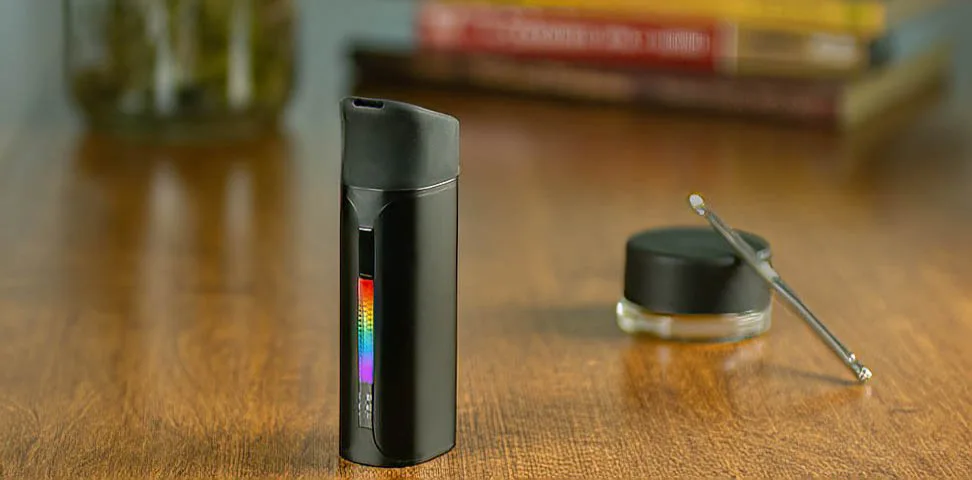
Color me surprised. This new Yocan Black Pocket Dab Pen doesn’t just fit the pocket, it fits the budget. This little unit is tiny and crazy convenient, and the new terp-pearls setup spins like a mini cyclone to keep the dab moving and the flavor smooth. Between the size, the ease of use, and the honest-to-goodness affordable price, my sessions got cleaner, tastier, and flat out more fun. Honestly, I wasn’t expecting a pocket rig to change my routine, but here I am with good times and better clouds.
Yocan Pocket Key Features
- 360° coil-less ceramic chamber (Cloud³) with twelve 3 mm glass pearls for even, consistent heating
- Precision temperature control: 400–580°F in 1°F steps with real-time sensor control; ~10-second preheat
- Battery & charging: 1400 mAh, USB-C, pass-through charging; ~1.5-hour recharge and up to ~15 sessions per charge
- Feedback & display: haptic vibration, RGB status lighting, on-device temperature readout
- Pocket size: 3.67″ × 1.35″ × 1.0″; about 0.20 lb (93 g)
- Session control: adjustable 15–60-second session timer
- Build & mouthpiece: aluminum body with an angled, splash-guard medical-grade silicone mouthpiece
Yocan Pocket: Highlights
- Clean flavor with precise control—coil-less ceramic cup and degree-by-degree temperatures deliver steady, tasty hits.
- Easy upkeep—swab-clean ceramic chamber; no exposed coils.
- On-the-go friendly—fast preheat, haptic feedback, and pass-through charging in a true pocket form factor.
- Enduring Power: The built-in 1400mAh high-capacity battery charges in just 1.5 hours via USB-C and supports over 15 full sessions, easily covering your needs for an entire day. With pass-through charging, the experience never has to stop.
- Customizable Session Timer: Freely set your session duration from 15 to 60 seconds based on your preference and material type.
- 4-Foot USB-C Charging Cable: As a result, you can keep vaping and charging at the same time.
What’s In The Box
- 1 x Yocan Black Pocket Device (Cloud 3 Atomizer pre-installed)
- 12 x Terp Pearls
- 1 x 4-foot USB-C Charging Cable
- 1 x Loading Tool
- 4 x Cotton Swabs (for cleaning)
- 1 x Owner’s Manual
For well under $100, and matching much of the performance of higher-priced vaporizers, the Yocan Black Pocket Dab Pen is drawing a new wave of dab-pen fans. It delivers real-time temperature control as advertised—your wax doesn’t burn and the taste stays smooth throughout the session. The curved silicone mouthpiece makes for a comfortable draw and stays cool on the lips. The 360-degree heating chamber warms your concentrate evenly from all sides, not just from the bottom.
Terp Pearls For Maximum Flavor And Zero Waste
Another game changing feature is the new terp-pearls technology. The Pocket includes twelve 3 mm glass pearls that ride a powerful spiral airflow. When you inhale, the air doesn’t just pass through, it is channeled through precisely engineered internal pathways, creating a high-velocity vortex that keeps the pearls moving. Therefore, the load heats evenly and in turn you get complete extraction—zero waste. Ultimately, it’s an efficiency boost everyone can appreciate.

In addition, the silicone mouthpiece features a tethered opening, eliminating the need to remove the whole piece. Consequently, you can drop dabs straight in with a hot tool and then add your terp pearls. Still, avoid wiping excess wax on the silicone—it can get sticky fast. For easy loading, my Yocan Dirk hot knife lets the wax slide right into the chamber.

If you want to remove the silicone mouthpiece completely, simply pull it off; it detaches easily for cleaning or direct access to the chamber. For maintenance, simply treat it like any ceramic bucket chamber by using an alcohol wipe or a Q-tip dipped in isopropyl (watch the fibers) gets the job done. For guidance, the user manual is easy to follow, and they also offer an online instruction guide you can download: How to use Yocan Black Pocket.
Overall, this discreet, pocket-sized dab pen is built for ease of use and durability. Moreover, it’s perfect for vapers who want something simple yet versatile at a price anyone can afford. In the hand, it’s comfortable and doesn’t slip. In practice, I keep coming back to this easy-to-use vape for my shorter sessions on the go. This little jewel is at the top of the list of my favorite Yocan products.
Be sure to visit Yocan to see the vast array of Vaporizers and other accessories/products and the different brands they offer. They continue to lead the market, adding cutting edge technology, products, and innovation.








MUMBAI: The Maharashtra Food and Drug Administration (FDA) has introduced stricter compliance requirements for infant formula, baby foods and feeding bottles, placing sweeping restrictions on how these products can be marketed, packaged and promoted across the state.
The order, issued on September 29, 2026, has immediate effect and applies throughout the supply chain, including manufacturers, brand owners, importers, repackers, distributors, retailers, pharmacies, hospital suppliers and e-commerce platforms.
Under the new requirements, companies cannot advertise or promote infant milk substitutes and specified infant food products through conventional or digital channels. Free samples, gifts, coupons, cashback offers, discount campaigns, influencer marketing and cross-promotional activities are also prohibited.
Mother’s Milk Warning Made Mandatory
One of the most visible changes concerns product packaging. Infant food products must prominently display the notice:
“IMPORTANT NOTICE – MOTHER’S MILK IS BEST FOR YOUR BABY.”
Labels must also provide appropriate feeding and preparation instructions. Packaging for complementary foods must clearly state that such products should be introduced only after the child reaches six months of age.
The FDA has additionally prohibited the use of pictures of infants or women on these products. Certain descriptions, including “humanised,” “maternalised,” “complete food” and “health food,” are also barred under the compliance order.
The order further requires relevant products to carry information about preparation, including instructions concerning the use of boiled water, feeding guidance and other safety information.
Advertising and Online Promotions Banned
The restrictions extend well beyond traditional advertising. The FDA has prohibited promotional activities involving infant milk substitutes, infant foods and feeding bottles across various platforms.
The banned activities include:
- Television, print and other advertisements
- Free samples and promotional gifts
- Coupons and cashback offers
- Discount campaigns
- Influencer and social media promotions
- Cross-promotional marketing
- Promotions through e-commerce marketplaces
- Promotional messaging through digital platforms
The FDA has specifically warned against attempts to use online platforms or indirect marketing methods to promote products covered by the rules.
Restrictions on Doctors, Hospitals and Medical Events
The order also targets promotional relationships between infant-food companies and healthcare institutions or professionals.
Companies are prohibited from providing sponsorships, hospitality, travel or registration benefits, speaker fees, grants or other financial benefits to healthcare workers, hospitals, nursing homes, pharmacies and medical associations in connection with conferences, seminars, workshops, continuing medical education, professional-development programmes or research activities.
The objective is to prevent commercial incentives from influencing how infant nutrition products are recommended or promoted.
New Requirements for Product Safety
The Maharashtra FDA has also strengthened requirements for traceability and safety monitoring.
Manufacturers, importers and brand owners are required to maintain batch-level traceability, complaint-handling mechanisms and adverse-event reporting systems. They must also have systems capable of recalling products when a safety problem is identified.
Hospitals, neonatal units, paediatricians and other medical practitioners have been asked to report suspected adverse events involving infant foods. Manufacturers are required to report serious adverse events within 48 hours, allowing authorities to investigate affected batches and take action when necessary.
New Rules on Ingredients and Health Claims
The FDA order also addresses the composition and marketing claims of infant food products.
The use of preservatives, added colours and flavouring substances in infant food products is prohibited under the stated requirements. Added sucrose may be used only when necessary and within the specified limit of 20% of total carbohydrates.
Companies also cannot make misleading claims such as “no added sugar” where those claims do not comply with applicable requirements.
The products must also be manufactured under the appropriate FSSAI licence, while applicable products must carry the required BIS standard mark and comply with the Food Safety and Standards (Foods for Infant Nutrition) Regulations, 2020.
Penalties for Violations
The FDA has warned that businesses failing to comply with the requirements could face action under food-safety laws and the legislation governing infant milk substitutes.
Reported penalties include fines of up to ₹10 lakh for misleading advertisements or operating without the required licence, up to ₹5 lakh for substandard food, and up to ₹3 lakh for misbranded food.
Depending on the nature of the violation, authorities may also take measures such as seizure, confiscation, prosecution or suspension or cancellation of licences.
Why Maharashtra Has Tightened Enforcement
FDA Commissioner Tukaram Mundhe said infants and children below two years are particularly vulnerable consumers because they cannot independently decide what they consume and parents often depend on product labels and healthcare advice.
The FDA said inspections had identified products being marketed in ways that could bypass prescribed standards or required warnings. The new order is intended to strengthen enforcement across physical stores, healthcare settings and digital marketplaces.
The restrictions do not amount to a blanket ban on formula or infant-food products. Instead, companies selling products covered by the order must comply with the applicable manufacturing, labelling, safety and promotional requirements.
For parents, the new rules mean greater emphasis on checking product labels, preparation instructions and recommended age ranges rather than relying on promotional claims, discounts or influencer endorsements.
What Happens Next?
With the order taking immediate effect, manufacturers, retailers, healthcare institutions and online sellers dealing in infant nutrition products will need to review their packaging, marketing practices and compliance systems.
The Maharashtra FDA is expected to monitor compliance through inspections and enforcement actions, while adverse-event reporting and product traceability requirements could give regulators more information about potential safety problems.
The move represents a significant tightening of enforcement around infant nutrition marketing in Maharashtra and places greater responsibility on companies to ensure that their products and promotional practices comply with existing legal and food-safety requirements.
The Food Safety and Standards Authority of India (FSSAI) has issued a nationwide advisory directing food businesses to stop using rusted, damaged, painted, or otherwise unsafe cutting tools in food handling operations. The move comes amid growing concerns that poorly maintained equipment could compromise food safety and pose serious health risks to consumers.
The food regulator has instructed food business operators to immediately replace non-compliant knives, blades, and cutting instruments, emphasizing that all equipment used in direct contact with food must meet prescribed hygiene and safety standards.
Regulator Flags Contamination Risks
According to FSSAI, cutting tools used during food preparation, processing, and packaging must be manufactured from food-grade materials and maintained in a clean, corrosion-resistant condition.
The authority warned that rusted or damaged equipment can introduce contaminants into food products. Metal fragments, rust particles, paint residues, and other foreign substances may enter food during processing, increasing the risk of contamination.
In addition to physical contamination, deteriorated equipment surfaces can become breeding grounds for harmful bacteria and other microorganisms, potentially leading to foodborne illnesses and health complications among consumers.
Businesses Ordered to Replace Defective Equipment
As part of the directive, food establishments have been instructed to remove any cutting tools that show signs of rust, cracks, chipping, corrosion, or structural damage.
The regulator has also stressed the importance of routine cleaning, sanitization, and maintenance of all food-contact equipment. Food businesses are expected to implement internal inspection systems to identify worn-out or defective tools before they become a safety hazard.
The advisory applies to a broad range of establishments, including restaurants, hotels, catering services, food manufacturing units, processing facilities, and packaging operations.
Enhanced Monitoring and Compliance Checks
FSSAI has directed state and Union Territory food safety authorities to strengthen oversight during inspections and pay special attention to the condition of knives, blades, and other cutting instruments used in food operations.
Food Safety Commissioners, licensing authorities, and inspection teams have been asked to verify compliance with food safety regulations and ensure businesses follow the prescribed standards.
Officials indicated that establishments found violating the guidelines could face regulatory action under the Food Safety and Standards Act, 2006, along with applicable rules and regulations.
Focus on Strengthening Food Safety Standards
The latest directive reinforces FSSAI’s broader effort to improve hygiene practices across the food industry and reduce contamination risks at every stage of food handling.
Experts note that food safety depends not only on ingredient quality but also on the tools and equipment used during preparation and processing. By targeting unsafe cutting instruments, regulators aim to strengthen consumer protection and improve overall food hygiene standards nationwide.
With inspections expected to become more stringent, food businesses are being urged to review their equipment maintenance practices and ensure full compliance with food safety requirements.
Uncategorized
Microsoft Places Israel Unit Under France Oversight After Internal Probe Following Azure Ethics Inquiry

Microsoft has reportedly placed its Israel-based operations under the temporary supervision of its France unit following an internal investigation into alleged violations of company ethics rules involving its Azure cloud platform. The move comes after the departure of senior leadership in Microsoft Israel and growing scrutiny over the company’s cloud services contracts in the region.
Leadership Changes Follow Internal Investigation
According to reports, Microsoft Israel’s general manager, Alon Haimovich, has exited the company after an internal probe into the subsidiary’s use of Azure services. Several senior executives from the local governance division have also reportedly stepped down in the aftermath of the investigation.
In response to the leadership vacuum, Microsoft’s global management has temporarily assigned oversight of the Israeli unit to Microsoft France. The arrangement has been described as unusual, reflecting the sensitivity and complexity of the ongoing review.
The internal inquiry was reportedly initiated following concerns raised about Microsoft’s cloud services agreements with Israel’s Ministry of Defense and compliance with corporate governance standards.
Allegations of Policy Violations in Cloud Usage
The investigation found that certain usage patterns of Azure infrastructure may have violated Microsoft’s internal policies and ethical guidelines. Reports suggest that some operations lacked transparency and were not fully disclosed to global headquarters.
Investigators are also said to have reviewed sales and service arrangements involving defense-related clients, raising concerns about compliance with the company’s terms of service.
Microsoft has not publicly detailed the findings, but internal sources cited in reports indicate that corrective actions were taken following the probe.
Earlier Reports on Surveillance-Related Concerns
The developments are linked to earlier media reports in 2025 alleging that Israel’s Unit 8200 intelligence division had used Microsoft Azure to store large volumes of intercepted communications data. The reports claimed that the data was hosted on servers in Europe and accessed for intelligence analysis.
Following those disclosures, Microsoft publicly stated that it does not provide technology intended for mass surveillance of civilians. The company subsequently restricted or terminated certain access linked to the alleged activities.
Later reports suggested that additional defense-related usage of Azure may have also raised compliance concerns, particularly where data processing was routed through European infrastructure, potentially triggering regulatory scrutiny under European data protection laws.
Strategic and Regulatory Sensitivities in Israel Operations
Microsoft’s position in Israel has been described as strategically sensitive due to the structure of government cloud contracts in the country. Unlike competitors Amazon and Google, which secured major Israeli government cloud deals under the Nimbus program and built domestic data infrastructure, Microsoft operates under a different framework.
As a result, some data processed through Azure has reportedly been routed through European servers, increasing exposure to regulatory oversight under frameworks such as GDPR.
Industry observers note that this structural difference may have contributed to heightened compliance risks for Microsoft compared to its competitors.
Ongoing Contract Discussions and Industry Impact
Microsoft’s defense-related cloud contracts in Israel are expected to come up for renewal later this year. While discussions are ongoing, reports suggest that some workloads have already been shifting toward rival platforms operated by Amazon Web Services and Google Cloud.
Despite the controversy, both Microsoft and Israeli defense stakeholders are reportedly interested in maintaining a continued working relationship, though potentially at a reduced scale.
Broader Implications for Cloud Governance
The situation highlights growing global concerns over how cloud infrastructure is used in sensitive government and defense contexts. As cloud platforms expand their role in national security operations, technology companies face increasing pressure to enforce strict compliance standards and ensure transparency in data handling.
Analysts say the case underscores a wider industry challenge: balancing government partnerships, data sovereignty requirements, and corporate ethical standards in an increasingly regulated digital environment.
-

 Business3 years ago
Pot Odor Does Not Justify Probable Cause for Vehicle Searches, Minnesota Court Affirms
-

 Business3 years ago
New Mexico cannabis operator fined, loses license for alleged BioTrack fraud
-

 Business3 years ago
Alabama to make another attempt Dec. 1 to award medical cannabis licenses
-

 Business3 years ago
Washington State Pays Out $9.4 Million in Refunds Relating to Drug Convictions
-

 Business3 years ago
Marijuana companies suing US attorney general in federal prohibition challenge
-

 Business3 years ago
Legal Marijuana Handed A Nothing Burger From NY State
-

 Business3 years ago
Can Cannabis Help Seasonal Depression
-

 Blogs3 years ago
Cannabis Art Is Flourishing On Etsy