
Technology & Crime
India’s New SIM-Binding Mandate Sparks Showdown Between Telcos and Global Tech Platforms


New Delhi | December 5, 2025:
A major policy battle is underway in India’s digital ecosystem after the government issued a new mandate requiring messaging apps — including WhatsApp, Telegram, Signal, and other OTT communication platforms — to remain permanently tied to the SIM card used during user registration. The ‘SIM-Binding Rule’, introduced by the Department of Telecommunications (DoT), must be implemented within 90 days, triggering sharply opposing responses from telecom companies and global tech giants.
Telecom Operators Applaud the Rule as a Security Breakthrough
Leading telecom service providers such as Reliance Jio, Bharti Airtel, and Vodafone-Idea have welcomed the directive, calling it a crucial step toward reducing digital fraud and enhancing accountability.
The Cellular Operators Association of India (COAI) said the rule will substantially improve identity verification and streamline traceability, which law enforcement agencies have long demanded. According to telcos, binding accounts to a verified SIM number will make it more difficult for criminals to:
- Create new identities for scams
- Use disposable or fake numbers
- Execute spoofing attacks
- Evade compliance checks
Telecom operators have praised the DoT for taking what they describe as a “major step toward securing India’s digital communication landscape.”
Tech Companies Warn of Disruption and Privacy Risks
Global technology firms, including Google, Meta, and WhatsApp, have sharply criticized the mandate. They argue that mandatory SIM-based account locking is incompatible with the technical architecture of modern messaging apps and could negatively affect millions of users.
Major Concerns Highlighted by Tech Platforms
1. Privacy Vulnerabilities
Tech firms argue that attaching a digital identity permanently to a SIM number could enable intrusive tracking, raising concerns about state surveillance and misuse of user data.
2. Breaks Existing User Workflows
Phone upgrades, SIM changes, number portability, device resets, and app reinstalls are common in India. SIM-binding could make account recovery and device migration far more complex.
3. Disrupts Global Platform Architecture
Apps such as WhatsApp and Telegram are designed to be device-agnostic, allowing multi-device access and cloud-based continuity. SIM-binding, they say, goes against their core engineering and operational principles.
4. Limited Impact on Fraud
Tech companies note that cybercriminals often rely on stolen SIMs, spoofed numbers, virtual numbers, or foreign telecom routes — meaning the rule may burden regular users more than malicious actors.
Why the Policy Dispute Is Intensifying
The conflict is the latest chapter in a long-running debate between Indian telecom providers and global messaging platforms. Telcos argue that OTT apps function like communication services but escape the licensing, regulatory, and security obligations imposed on telecom networks.
OTT platforms counter that their products are innovation-driven and global in scale, and cannot be restricted by rules designed for traditional telecom infrastructure. The SIM-binding mandate has therefore become a flashpoint, intensifying the clash over regulatory parity, privacy, and control of India’s digital communication space.
What Lies Ahead?
Policy analysts say that extensive consultation may be required to break the deadlock. The government aims to strengthen digital security and reduce fraud, but must also consider the technical and privacy challenges raised by global platforms.
With the 90-day compliance deadline approaching, regulators must now decide whether to:
- Revise the rule,
- Create exemptions for certain platforms, or
- Enforce SIM-binding without modification.
The decision will play a pivotal role in shaping the future of secure and privacy-preserving communication in India.

AI & Technology
OTP Never Arrived, Savings Disappeared: Bengaluru Man Falls Victim to SIM Swap Fraud

Bengaluru, June 18, 2026: A 62-year-old Bengaluru resident has allegedly lost more than ₹7.44 lakh in a sophisticated SIM swap fraud, exposing ongoing vulnerabilities in mobile-linked banking security systems and raising concerns about the growing threat of cybercrime.
According to a police complaint, the victim’s mobile number suddenly became inactive for nearly a week, preventing him from receiving calls, messages, or banking alerts. During this period, cybercriminals are believed to have gained unauthorized access to his bank account and carried out multiple transactions without his knowledge.
Mobile Number Inactive for Several Days
The incident reportedly occurred between May 31 and June 7, 2026. The victim noticed that his mobile connection had stopped working and initially suspected a technical issue. He approached his telecom service provider seeking assistance, but the disruption continued for several days.
Investigators suspect that fraudsters exploited this interruption to execute a SIM swap attack—a cybercrime technique that allows criminals to take control of a victim’s phone number. Once access is gained, they can intercept banking alerts, verification messages, and one-time passwords (OTPs) used for account authentication.
Fraud Discovered After Service Restoration
The alleged scam came to light when the victim regained access to his mobile number and attempted to log into his banking application. After encountering login problems, he visited an ATM to review his account activity.
The account statement reportedly revealed several unauthorized transactions. Alarmed by the findings, the victim immediately contacted his bank and reported the suspicious activity.
Bank officials later confirmed that ₹7,44,831 had been withdrawn or transferred from the account through transactions that the account holder claims he did not authorize.
Police Launch Cyber Fraud Investigation
Following the discovery, the victim lodged a complaint through the National Cyber Crime Helpline and submitted a formal report to law enforcement authorities. Police have since registered a case and initiated a detailed investigation.
Officials are examining bank records, telecom logs, and digital evidence to identify how the attackers gained access to the victim’s mobile number and banking credentials. Authorities have also sought information from the telecom operator regarding the status and handling of the SIM during the period of disruption.
How SIM Swap Frauds Work
Cybersecurity specialists explain that SIM swap scams typically involve fraudsters convincing telecom providers to transfer a victim’s mobile number to a new SIM card under their control. Once successful, criminals can receive OTPs and security notifications intended for the legitimate user, enabling them to bypass two-factor authentication safeguards.
This method allows cybercriminals to access banking applications and conduct fund transfers before victims become aware of the breach.
Experts Urge Greater Vigilance
The case has renewed concerns about reliance on OTP-based verification systems for financial transactions. Security experts recommend that users immediately report unexpected loss of mobile network service, monitor bank accounts regularly, and enable additional security features wherever possible.
Authorities have also advised citizens to remain cautious of suspicious calls, phishing messages, and requests for personal or banking information. Any prolonged mobile service disruption should be reported promptly to both telecom providers and financial institutions.
Investigators are exploring whether the incident may be connected to a broader cybercrime operation targeting multiple victims through coordinated SIM swap attacks. The probe remains ongoing.
AI & Technology
Why the Chief AI Officer Is Becoming India’s Next Critical Leadership Role, and How FCRF Is Preparing Professionals for It
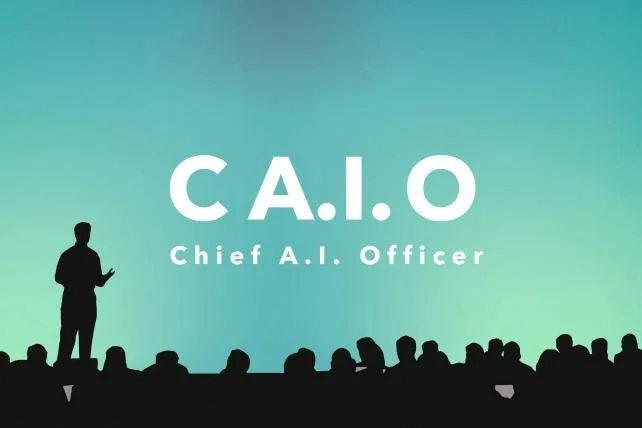
Artificial intelligence in India has rapidly moved from experimentation to widespread workplace adoption. Over the past two years, businesses, startups, law firms, banks, and public institutions have integrated generative AI tools into daily operations for tasks such as drafting content, coding, summarization, and customer support.
However, as AI systems become deeply embedded in core workflows, organizations are now confronting a more complex reality: managing risk, ensuring compliance, and preventing misuse of sensitive data. This shift is driving demand for a new leadership function — the Chief AI Officer (CAIO).
From AI Productivity Tool to Governance Priority
Early AI adoption in India was largely informal and productivity-focused. Employees used AI tools to improve efficiency, while organizations explored automation and innovation opportunities. But the second phase of adoption has highlighted serious governance challenges.
Concerns such as data leakage, algorithmic bias, AI-generated misinformation, deepfake threats, and lack of transparency in vendor systems are becoming increasingly significant. Cybersecurity teams are also facing new risks, including prompt injection attacks, model manipulation, and AI-assisted fraud techniques.
As a result, AI is no longer viewed purely as a technology function. It is increasingly becoming a governance and risk-management priority.
The Growing Importance of a Chief AI Officer
The Chief AI Officer role is emerging as a strategic leadership position responsible for overseeing how AI is adopted, monitored, and governed within an organization. Unlike traditional technology roles, the CAIO focuses on both innovation and accountability.
Key responsibilities typically include:
- Defining AI adoption policies and usage frameworks
- Evaluating AI tools and use cases across departments
- Ensuring compliance with legal and regulatory requirements
- Overseeing data protection and privacy safeguards
- Managing AI-related risks and ethical considerations
- Coordinating between technical, legal, and compliance teams
- Reporting AI risks and strategies to senior leadership and boards
In India’s evolving regulatory environment — shaped by data protection laws, cybersecurity advisories, and sector-specific compliance rules — the CAIO role is expected to become increasingly essential across industries.
Regulatory Pressure and Institutional Readiness in India
India’s digital ecosystem is expanding under frameworks such as the Digital Personal Data Protection Act, 2023, alongside national initiatives like the IndiaAI Mission, which emphasizes responsible AI development, safety, and skill-building.
At the same time, regulators and cybersecurity agencies have warned organizations about uncontrolled use of generative AI tools, especially where sensitive or personal data is involved.
Industries most affected include:
- Banking and financial services
- Insurance and fintech
- Healthcare systems
- Legal and compliance sectors
- Government and public infrastructure
- Cybersecurity and digital identity services
In these sectors, AI can directly influence fraud detection, credit decisions, identity verification, surveillance, and public service delivery. Without structured governance, the risks extend beyond operational errors to legal and reputational damage.
The Expanding AI Governance Gap
Many organizations are adopting AI faster than they are building governance frameworks. Common challenges include:
- Employees using unapproved AI tools for official work
- Lack of clear accountability for AI-driven decisions
- Insufficient review of AI vendor systems and contracts
- Absence of formal AI risk assessment frameworks
- Limited oversight from leadership and boards
This gap between adoption and governance is creating demand for professionals who can bridge technical, legal, and strategic domains.
Skills Required for a Modern Chief AI Officer
The CAIO role requires a multidisciplinary skill set that goes beyond technical knowledge of AI systems. Professionals in this position are expected to understand:
- Artificial intelligence fundamentals, including generative AI and large language models
- AI limitations, risks, and failure patterns
- Data governance principles such as consent, minimization, retention, and privacy compliance
- Cybersecurity threats linked to AI misuse, including deepfakes and automated fraud
- Regulatory frameworks governing data protection and digital systems
- Responsible AI practices, including transparency, explainability, and auditability
A CAIO must also be capable of translating technical risks into business language for executives while ensuring compliance requirements are clearly implemented across departments.
Rising Demand for AI Governance Professionals
The CAIO function is increasingly attracting professionals from diverse backgrounds, including cybersecurity specialists, legal experts, compliance officers, risk managers, public policy professionals, and technology leaders.
This reflects a broader shift: AI governance is no longer a niche technical function but an interdisciplinary leadership requirement.
Growth of Structured CAIO Training Programs
In response to rising demand, structured training programs focused on AI governance and leadership are emerging. One such initiative is the Certified Chief AI Officer program offered by FCRF Academy, which focuses on building AI governance capabilities for professionals across industries.
The program emphasizes areas such as:
- AI governance frameworks and strategy
- Cybersecurity risks in AI systems
- Data protection and compliance requirements
- Vendor and third-party AI risk management
- Deepfake detection and fraud prevention
- Regulatory readiness in the Indian context
Rather than focusing solely on technical AI tools, such programs aim to prepare professionals for leadership roles that combine governance, risk management, and strategic decision-making.
The Future of AI Leadership in India
As AI becomes more deeply integrated into organizational and national systems, governance will play a defining role in shaping its impact. The Chief AI Officer is emerging as a critical leadership position designed to ensure that AI adoption is not only innovative but also secure, ethical, and legally compliant.
In the coming years, organizations that successfully balance AI innovation with structured governance are likely to have a significant advantage — making the CAIO role central to the future of enterprise leadership in India.
Immigration News
US Tightens H-1B and Green Card Rules, Raising Concerns for Indian Tech Professionals

The United States has introduced significant changes to its H-1B visa and Green Card procedures, creating fresh uncertainty for thousands of foreign professionals, particularly Indian workers employed in the American technology sector.
The revised immigration guidance issued by U.S. Citizenship and Immigration Services could reshape how employment-based permanent residency applications are processed, with experts warning of major disruptions for long-term visa holders and their families.
New Rules Limit In-Country Green Card Processing
Under the updated policy, many foreign nationals may no longer be allowed to complete the Green Card process while remaining inside the United States.
Previously, eligible applicants could use the “Adjustment of Status” process, enabling them to live and work in the country while their permanent residency applications were processed. This system helped professionals avoid lengthy travel disruptions and maintain employment continuity.
However, the new guidance reportedly restricts in-country processing to limited and exceptional cases. Most applicants may now be required to undergo “Consular Processing,” which involves returning to their home country to complete immigration formalities at a U.S. embassy or consulate.
Indian Professionals Expected to Be Most Affected
Indian nationals represent the largest share of H-1B visa recipients in the United States, particularly in sectors such as:
- Software engineering
- Artificial intelligence
- Cybersecurity
- Cloud computing
- Data analytics
- Information technology services
Industry analysts note that many Indian professionals have spent years — and in some cases more than a decade — waiting for employment-based Green Card approvals due to visa backlogs.
The new policy changes could create significant complications for workers and families who have already established long-term lives in the United States through home ownership, education, and financial commitments.
Concerns Over Career and Family Disruption
Immigration experts warn that mandatory overseas processing may expose applicants to additional visa interviews, administrative reviews, and security checks.
Any delay or issue during consular processing could temporarily prevent professionals from returning to the United States, potentially affecting:
- Employment continuity
- Salary and benefits
- Family stability
- Schooling for children
- Immigration status validity
Legal analysts also caution that extended processing timelines could create uncertainty for multinational companies relying on skilled foreign workers.
US Government Defends Stricter Oversight
The U.S. Department of Homeland Security has reportedly defended the policy shift, stating that tighter immigration controls are intended to improve transparency and prevent misuse of adjustment-of-status procedures.
Officials believe stronger oversight is necessary to address loopholes in the existing immigration framework and manage long-pending residency applications more effectively.
Silicon Valley and Tech Industry Raise Alarm
The changes have sparked concern throughout the American technology industry, where Indian professionals make up a substantial portion of the skilled workforce.
Technology companies fear that forcing employees to leave the country during Green Card processing could disrupt:
- Software development projects
- AI research initiatives
- Product engineering cycles
- Enterprise operations
- Long-term workforce planning
Experts say the policy may also impact future recruitment strategies for global technology firms operating in major innovation hubs such as Silicon Valley.
Immigration Lawyers Advise Immediate Planning
Attorneys specializing in immigration law are advising foreign professionals to closely monitor official USCIS announcements and seek legal consultation before making any travel or visa-related decisions.
Experts recommend that applicants carefully review:
- Visa expiration timelines
- Green Card application stages
- Consular interview requirements
- Employment sponsorship conditions
Global Impact Could Extend Beyond the US
Analysts believe the long-term consequences of the policy may extend beyond immigration alone. The move could influence global talent migration, international student decisions, and hiring strategies within multinational technology companies.
Some experts also suggest that countries competing for skilled workers may benefit if foreign professionals begin exploring alternative destinations with more stable immigration pathways.
Conclusion
The latest changes to U.S. immigration procedures mark a major shift for foreign professionals seeking permanent residency through employment-based pathways. With Indian technology workers expected to be among the most affected, the policy could reshape workforce mobility, global tech recruitment, and long-term immigration planning in the years ahead.
-

 Business3 years ago
Pot Odor Does Not Justify Probable Cause for Vehicle Searches, Minnesota Court Affirms
-

 Business3 years ago
New Mexico cannabis operator fined, loses license for alleged BioTrack fraud
-

 Business3 years ago
Alabama to make another attempt Dec. 1 to award medical cannabis licenses
-

 Business3 years ago
Washington State Pays Out $9.4 Million in Refunds Relating to Drug Convictions
-

 Business3 years ago
Marijuana companies suing US attorney general in federal prohibition challenge
-

 Business3 years ago
Legal Marijuana Handed A Nothing Burger From NY State
-

 Business3 years ago
Can Cannabis Help Seasonal Depression
-

 Blogs3 years ago
Cannabis Art Is Flourishing On Etsy