
Reports
How Do You Hide Your Outdoor Cannabis Grow? (PRO TIPS)

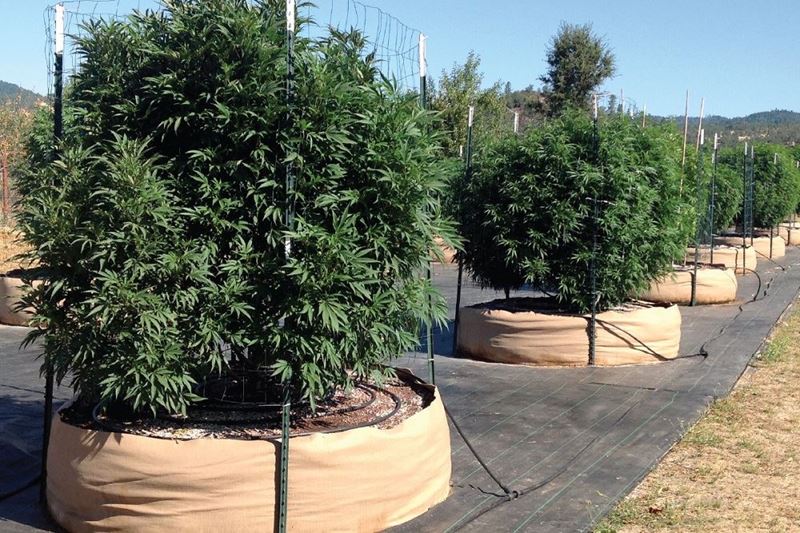
How do you do a stealth outdoor cannabis grow?
The knowledge of stealth growing is something every outdoor cannabis grower needs to have.
If you’re based in a state with legal medical or recreational weed laws that permit self-cultivation, you have a limited number of cannabis plants to grow. Not to mention that weed is still generally illegal in most parts of the world. Some residents in these parts have perfected the art of growing weed without getting caught.
In a state with partial or no cannabis decriminalization laws, cannabis lovers opt to grow cannabis indoors as it is more discreet and gives the grower complete control over the plant’s growing condition. However, some try to grow theirs outdoors because they prefer the advantages of the outdoors to the indoor environment.
As indoor cannabis growing became popular, myths about how outdoor grows result in low-quality harvests began to circulate. The truth is that any cannabis cultivation can produce bad results if the growers are not diligent in their practices. Indoor grows could result in dazzling-looking buds, while outdoor grows could result in weeds with premium cannabinoids and terpene profiles. What truly matters is the cultivation practice employed by both growers.
The most crucial aspect of stealth growing is assessing the different factors that could give your operations away and immediately taking the correct steps to work around them.
Stealthy Outdoor Growing
As each day passes, the demand for organic products increases. Growing cannabis out in the sun with less human interference is advantageous. It gives the plant unrestricted access to the sun’s natural light, unlike indoor plants that rely on LED lights and other grow lights.
For example, the landrace cannabis strains have survived for thousands of years because of the unadulterated wavelength of light they receive from the sun. In all honesty, cannabis cultivated outdoors is exposed to extreme elements. They sometimes get damaged by pests, wind, and rain. However, no one can deny that if the crops are well-maintained, they can produce wondrous buds.
How to Avoid Attention
Privacy and discretion are essential, regardless of whether your proposed planting space is big or not. We understand not everyone has the choice of purchasing big farms; hence, we’ll include tips for those that have gardens and balconies.
The best ways to camouflage outdoor cannabis plants include:
This method involves tying the most prominent stems of seedlings or young plants to the side of your garden pots. This new position exposes the center of the plant to the soil, causing the plant’s lower buds to bulk up. This would help improve the yield of the plant. Additionally, it would help you express your artistic tendencies as you craft the plant into your preferred shape. The downside of this method is that it could lower the profile of the plant.
ScOGging
This camouflaging method is not as straightforward as LST. Here, you get to hide your plants in plain sight. If your home has a walled balcony with direct access to sunlight, this could be for you. The main objective of this technique is to keep the tips of the plants below the edge of the wall.
As your plants increase in height, you’ll need a plastic trellis mesh to wrap them in. This mesh will cause them to grow sideways (horizontally) instead of vertically. People who plant strains with tall genes sometimes top them off to ensure their growth is stunted.
Green Fencing Mesh
This is one of the simplest ways to camouflage your cannabis plants. It’s straightforward and easy to achieve. These advantages have made it a prevalent technique for cannabis cultivation in rural and urban regions. With the Green Fencing Mesh, neighbors would have no idea what was growing behind them, nor would intruders be inclined to snoop around your space. One major advantage of green fencing mesh is that it keeps your plants cool when the weather gets scorching.
Mixed Cropping
You can plant your cannabis plants with other plants like tomatoes or flowers. People prefer tomato plants for this technique because it looks similar to cannabis plants. You have to mix with a plant with similar physical properties to weed plants. One is for increasing crop yields, while the other is for concealing outdoor cannabis grow.
Here, you have to use a pair of scissors to get rid of the apparent traits in the weed plants. From the seedling to the vegetative state, only small nips here and there could be okay. However, once the plant enters its late flowering stage, you must get aggressive. At this time, you can remove all your plant’s fan leaves to make the weed unrecognizable to unsuspecting neighbors or visitors.
Fabric Flowerpots
Fabric flowerpots are used to reduce the overall height of a weed camouflage garden. With these flowerpots, your weeds’ height would be lowered by 20 inches. All you have to do is plant your weed directly into the soil, as this flowerpot allows roots to pass through. This method is best for guerilla cannabis farming. Additionally, you can combine this method with the green mesh method to make it better.
Fake Flowers
If you can’t afford to plant flowers or do not want to, you can purchase fake flowers as they function the same way to add stealth to your garden. What’s more, you do not have to split valuable time taking care of natural flowers and your weed plants.
You could place artificial booms on your cannabis plants to make them unrecognizable from the top. When buying fake flowers, it’s best to purchase brightly colored fakes.
A Combination of Methods
To maximize your camouflage efforts, you can consider combining two or more methods. For example, you could use fake flowers, scrOGing, and green fencing mesh for maximum effect. Everyday garden items like wood or compost can also hide your garden from nosy people.
Bottom Line
Practicing stealth growing or clandestine cultivation requires imagination, proper planning, and efficient strategies. It’s unnecessary to have land hidden in a remote area; you could cultivate a guerilla cannabis garden anywhere, even if it’s a balcony on a bustling street in the city.
Source: https://cannabis.net/blog/how-to/how-do-you-hide-your-outdoor-cannabis-grow-pro-tips








Business
A Tipping Point for Cannabis: President Trump Champions CBD & Cannabis Science on Truth Social


When the President of the United States shares a video about the life changing potential of hemp derived CBD on his personal social media platform, it is more than news, it is a cultural shift.
For decades our government lied to us about cannabis. It demonized the plant, waged war on its users, and filled prisons while allowing pharmaceutical companies to flood the nation with addictive and deadly drugs. For over a century we have been fighting uphill, not just for legalization, but for truth, for science, and for the right to heal ourselves naturally.
Now in 2025, the most powerful political figure on Earth is using his own voice and platform to talk about the endocannabinoid system and the science backed benefits of CBD. That is monumental. It is validation for everyone who has fought, been arrested, been silenced, and been dismissed for telling this truth. The President’s video post is already being described as a pivotal moment in cannabis history, and President Trump CBD Cannabis Science Truth Social is trending across platforms as advocates celebrate the breakthrough.
The Science Behind the Endocannabinoid System
The video begins by introducing something most people, including many doctors, still know little about, the endocannabinoid system. Discovered in the 1990s, the ECS is a network of receptors and signaling molecules that works as the body’s master regulator, coordinating communication between major systems like the nervous, immune, cardiovascular, and digestive systems.
The roots of this discovery go back much further. CBD was first isolated in 1940 by American chemist Roger Adams, but it was Dr. Raphael Mechoulam, an Israeli organic chemist, who fully elucidated the chemical structure of CBD and identified its stereochemistry in the 1960s. His pioneering work not only opened the door to modern cannabinoid science but also earned him the title “Godfather of Cannabis Research.” It was this foundation that led to the identification of the endocannabinoid system itself decades later, revealing how cannabinoids interact with our physiology on a fundamental level.
The ECS is now widely recognized as a vital part of human biology, with extensive research supported by the National Institutes of Health. When functioning properly, the ECS acts like the conductor of an orchestra, ensuring every section plays in harmony. As we age, the system weakens. That imbalance is linked to inflammation, chronic pain, cognitive decline, sleep problems, and many other conditions associated with aging.
Mainstream medicine often addresses these issues with pharmaceutical band aids, dangerous and addictive drugs that treat symptoms rather than root causes. Lifestyle changes such as diet and exercise help, but they only partially support the ECS and do so slowly over time.
Hemp Derived CBD: A Game Changer for Aging
Here is where the science gets exciting. As the video explains, the ECS can be restored much more quickly with hemp derived CBD. Strengthening this system naturally helps the body regain balance, reducing pain, improving sleep, lowering stress, slowing disease progression, and even extending healthy lifespan.
It is not theoretical. One in five seniors is already using CBD to manage pain, arthritis, cancer symptoms, sleep disorders, Alzheimer’s, and more. Despite decades of research and acknowledgment from institutions like the National Institutes of Health, most physicians receive no training on the ECS. There are still no FDA standards for CBD products on the market. If that were the case for any other class of medicine, it would be considered malpractice.
The World Health Organization has confirmed CBD’s excellent safety profile and non addictive nature in its critical review report. The result is that millions of older Americans are suffering unnecessarily when a safe and natural solution exists.
Hemp derived CBD is a powerful first step in restoring balance to the endocannabinoid system, but it is only part of the picture. Research shows that full spectrum cannabis extracts, which include a broader range of cannabinoids and terpenes, can work even more effectively. Complete concentrated cannabis oil, containing the full spectrum of natural endocannabinoids, may deliver the most profound results for certain patients. Expanding access to these therapies will be essential if we want to unlock the full healing potential of this plant.
The Economic and Social Impact
The video cites a powerful figure. A PricewaterhouseCoopers analysis estimates that fully integrating cannabis into the healthcare system could save the United States nearly 64 billion dollars annually. These savings reflect reduced pharmaceutical dependency, fewer hospitalizations, improved chronic disease outcomes, and enhanced quality of life for aging Americans. You can read more about PwC’s research on healthcare innovation here.
It is a financial argument, but it is also a moral one. Why should our elders endure pain, anxiety, and cognitive decline when nature has given us tools to help them live longer, happier, and healthier lives?
A Call to Action: Finish What the Farm Bill Started
The message concludes by crediting the 2018 Farm Bill, championed by President Trump, for legalizing hemp and laying the groundwork for today’s CBD market. The Farm Bill was just the first step.
Now the call is for bold next moves.
- Educate doctors about the endocannabinoid system
- Include CBD under Medicare coverage
- Provide clear federal standards for CBD quality and dosing
These steps would constitute the most significant senior health reform in modern history, one that would transform aging and cement a powerful legacy for any administration that makes it happen.
What This Means for Future Cannabis Medicine
For those of us who have been in the cannabis community for decades, this is not just another news story. It is a signal that our movement is winning. A conversation that was once criminalized and censored is now being amplified by the President of the United States on his own platform.
It means the science is undeniable. It means the truth can no longer be buried. It means the wall of prohibition is cracking, not just legally, but culturally, scientifically, and politically.
It also means that everything we have been fighting for at 420 Magazine since 1993, education, access, healing, and justice, is finally moving full steam ahead. The President Trump CBD Cannabis Science Truth Social moment is proof that science and policy are finally converging.
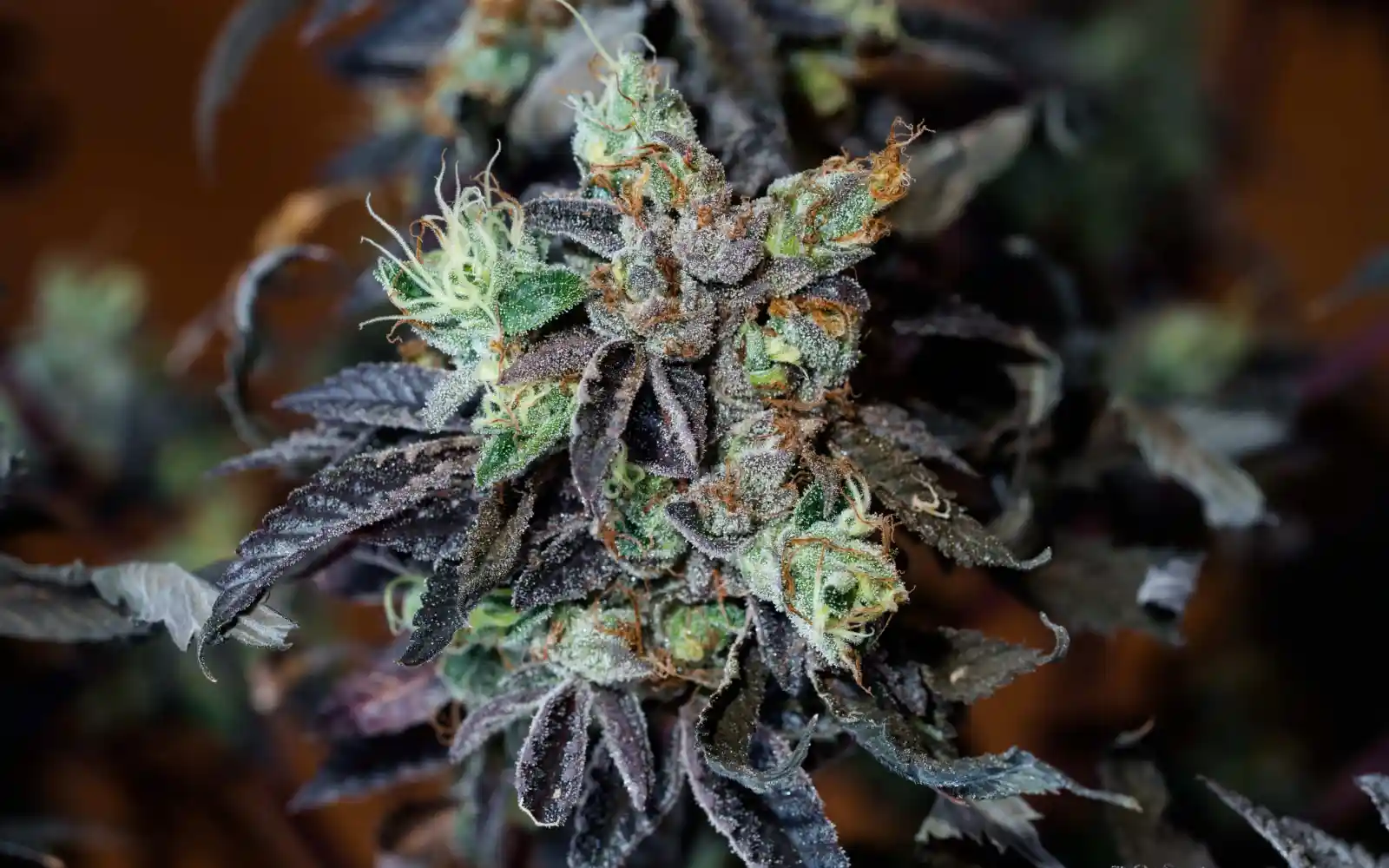
The Minnesota Supreme Court affirmed that cannabis odor does not constitute probable cause to search a vehicle.
If Minnesota police search a vehicle solely based upon the smell of pot, they can’t justify searching a vehicle, even if there is evidence found of other alleged crimes. Even after appealing a lower court decision to suppress the evidence—twice—the Minnesota Supreme Court agreed, and the dismissal of his charges stands.
In a ruling filed regarding a case the State of Minnesota Court of Appeals on Sept. 13, the Minnesota Supreme Court affirmed that cannabis odor does not constitute probable cause to search a vehicle.
The case has been ongoing for two years. On July 5, 2021, just before 10 p.m., a Litchfield police officer stopped a car for an obscure local law: the light bar mounted on the vehicle’s grill had more auxiliary driving lights than are permitted under Minnesota law. The officer asked the driver, Adam Lloyd Torgerson, for his license and registration. Torgerson, his wife, and his child were present in the vehicle. The officer stated that he smelled pot and asked Torgerson if there was any reason for the odor, which he initially denied. But cops found a lot more than just pot.
A backup officer was called in. The couple denied possessing any pot, but Torgerson admitted to smoking weed in the past. The second officer stated that the weed odor gave them probable cause to search the vehicle and ordered them to exit the vehicle. The first officer searched the vehicle and found a film canister, three pipes, and a small plastic bag in the center console. The plastic bag contained a white powder and the film canister contained meth, which was confirmed in a field test.
Torgenson was charged with possession of meth pipe in the presence of a minor and fifth-degree possession of a controlled substance after the unwarranted search of Torgerson’s vehicle.
Police Aren’t Allowed to Do That, Multiple Courts Rule
But the search had one major problem—cops weren’t searching for a meth pipe. They only searched his car because they could smell pot, and the meth and paraphernalia were a surprise for everyone. Still, they had no grounds to search the vehicle. The man’s charges were later dismissed after the district court determined the odor of cannabis alone was insufficient basis for probable cause to search the vehicle, regardless of whatever other drug paraphernalia they found.
The state appealed the case, but the Minnesota Court of Appeals affirmed the district court’s decision. The case was appealed a second time, this time to the Minnesota Supreme Court, which agreed with the lower court’s ruling.
“This search was justified only by the odor of marijuana emanating from the vehicle,” the Minnesota Supreme Court decision reads. “Torgerson moved to suppress the evidence found during the search, arguing that the odor of marijuana, alone, is insufficient to create the requisite probable cause to search a vehicle under the automobile exception to the warrant requirement. The district court granted Torgerson’s motion, suppressed the evidence, and dismissed the complaint. The State appealed. The court of appeals affirmed the district court’s suppression order. Because we conclude that the odor of marijuana emanating from a vehicle, alone, is insufficient to create the requisite probable cause to search a vehicle under the automobile exception to the warrant requirement, we affirm.”
It amounts to basic human rights that apply—regardless of whether or not a person is addicted to drugs.
Other States do Precisely the Same Regarding Pot Odor as Probably Cause
An Illinois judge ruled in 2021 that the odor of cannabis is not sufficient grounds for police to search a vehicle without a warrant during a traffic stop.
Daniel J. Dalton, Associate Judge of the 14th Judicial Circuit, issued a ruling in response to a motion to suppress evidence in the case of Vincent Molina, a medical cannabis patient arrested for cannabis possession last year.
In that case, Molina was arrested despite the decriminalization of small amounts of cannabis in Illinois in 2019 with the passage of the Illinois Cannabis Regulation and Tax Act.
In some states, the issue of probable cause and cannabis was defined through bills.
Last April, the Maryland House of Delegates approved a bill that reduces the penalties for public cannabis consumption and bars police from using the odor of cannabis as the basis for the search of an individual or auto. Under Maryland’s House Bill 1071, law enforcement officers would be prohibited from using the odor of raw or burnt cannabis as probable cause to search a person or vehicle.
The rulings represent the rights of citizens when they are pulled over by police, even if there are hard drugs involved.

Following the chaos of the recreational weed rollout, the government is trying to figure out next steps. But it seems legal marijuana has been handed a nothing burger from NY state with their last rollout for potential cannabis retailers.. With an estimated $3.5 billion in sales at stake along with tax revenue for the state’s every growing budget, the fumble is costly for a significant number of players. And it has been a huge loss for the marijuana industry as a whole.
What was quickly seen as an opportunity was pounced on in the city with the most billionaires globally along with endless big and small entrepreneurs, and hustlers. Seeing a huge amount of cash on the table, players acted in a quickly in a way bureaucrats will never understand.
Embracing a Wild West approach, officials decriminalizated and fumbled licensed legalization of sales. Despite promises and initial outlines where existing medical marijuana dispensaries could switch to recreational and a fair, for government quick liscnese process, the state tossed it all in one stroke. In a vision of equity, officials decided to reserve the first retail licenses for felons and other “justice-involved” individuals. Lawsuits started, the desired licensees struggled to raise capital and over 1,600 unlicensed retail stores opened in NYC. For the small time players, they have set sidewalk card tables parks, selling roll-ups and handmade marijuana edibles, in full view of the police.
The updated systems was rolled out, but has left people confused, dispirited, and disappointed. The Office of Cannabis Management rolled out the previous Conditional Adult-Use Retail Dispensaries (CAURD) program with high hopes. Now, regulators voted to allow the state’s medical marijuana operators to apply for adult-use retail licenses. Multistate operators who have patiently acquired a majority of the state’s 10 registered organization.
“It was more like an orgy of minimalism. While they are getting ready to open the application window on October 4th (notably, originally it wasn’t intended to be a 60-day window, but rolling applications) for most license types (sans on-site consumption and delivery), they refused to address the CAURD program. Other than to suggest that it remains “a priority”, they have offered only some subtle hints in the guidance to the regulations. These include establishing a priority for retail applications which include secured real estate, which will be given priority after the initial 30-days of the 60-day application window have passed (although they do not define what that means). And noting that existing licensees may apply for an additional license so long as they comply with the rules of a two-tier system. The positive news is that these statements can be interpreted as an invitation to current CAURD licensees, many of whom will also meet other Social and Economic Equity (SEE) criteria entitling them to an additional priority.” shares Andrew Cooper, partner at Falcon Rappaport & Berkman LLP, one of the top cannabis law firms.
Unfortunately, there are multiple losers in the state’s unique approach. One is consumer and medical marijuana patients, including veterans. The unlicensed dispensaries are making a mint and overcharging customers due to high demand. Small investors and companies, including those who could be a player in the CAURD, will not have the financial to compete with multi-state and large players. And taxpayers will lose out for years to come as revue it lost to unlicensed dispensaries.
The good news, consumers will continue to find products easily over the next few years. There is even a thriving unlicensed dispensary a few blocks from City Hall.
While New York is awash with billionaires, fashion, food and smarts, common sense seems to be lack for making a good government plan.
Source: https://thefreshtoast.com/cannabis/legal-marijuana-handed-a-nothing-burger-from-ny-state/
-
 Business3 years ago
Pot Odor Does Not Justify Probable Cause for Vehicle Searches, Minnesota Court Affirms
-

 Business3 years ago
New Mexico cannabis operator fined, loses license for alleged BioTrack fraud
-

 Business3 years ago
Alabama to make another attempt Dec. 1 to award medical cannabis licenses
-
 Business3 years ago
Washington State Pays Out $9.4 Million in Refunds Relating to Drug Convictions
-
 Business3 years ago
Marijuana companies suing US attorney general in federal prohibition challenge
-

 Business3 years ago
Legal Marijuana Handed A Nothing Burger From NY State
-

 Business3 years ago
Can Cannabis Help Seasonal Depression
-

 Blogs3 years ago
Cannabis Art Is Flourishing On Etsy