
Education & Training
Teen Who Questioned CBSE Tender Now Opens 1.66 Crore Government Contracts to Public

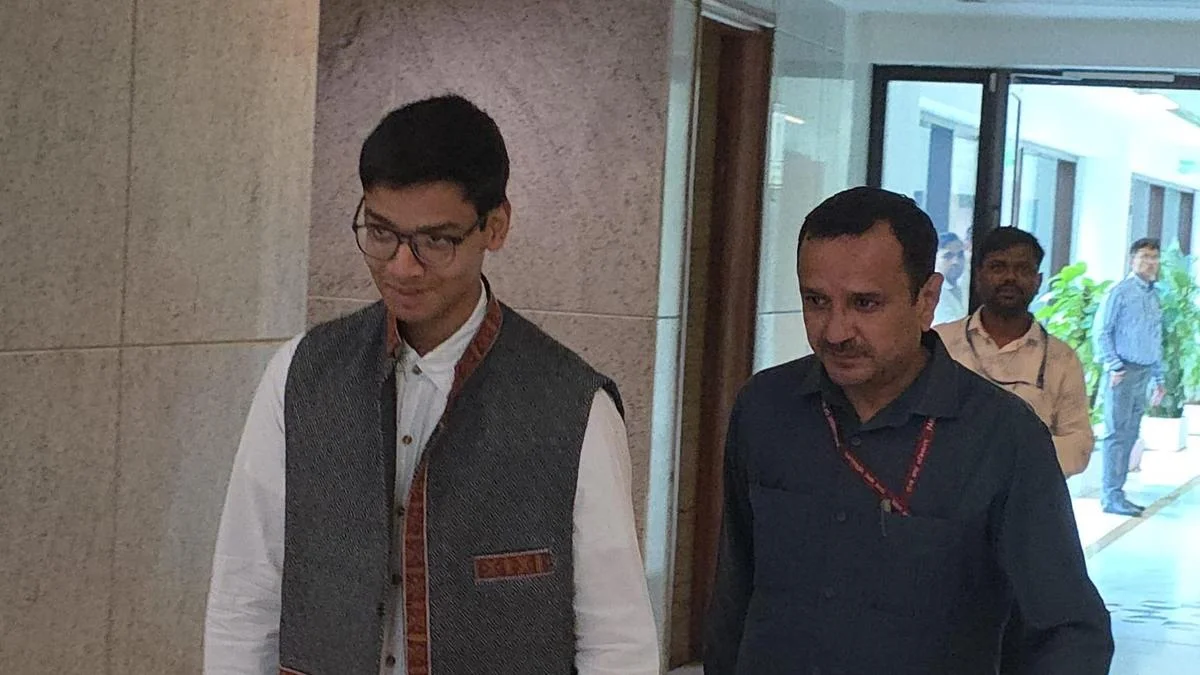
A Class 12 student who recently gained attention for analysing the Central Board of Secondary Education (CBSE) digital evaluation tender has launched a large-scale public data portal featuring approximately 1.66 crore government procurement records sourced from India’s Central Public Procurement (CPP) system.
The initiative is designed to make government contract data more accessible, enabling citizens, journalists, researchers, and policy analysts to independently examine public spending and procurement patterns.
From Exam Paper Analysis to National Procurement Data Project
The student, Sarthak Sidhant, first came into public attention after reviewing publicly available CBSE documents related to the On-Screen Marking (OSM) system used in digital evaluation of answer sheets.
His analysis of tender documents reportedly highlighted changes in eligibility criteria and evaluation conditions across different versions of procurement notices, prompting wider discussion on transparency in education-related contracting.
Following that work, he has now expanded his focus beyond the education sector by building a searchable database that aggregates government procurement records from multiple departments.
1.66 Crore Records Made Searchable for Public Use
According to the developer, the newly launched platform compiles and structures millions of procurement entries available on the government’s Central Public Procurement Portal.
The system is designed to allow users to search, filter, and analyse contracts issued by various government bodies, potentially making it easier to track expenditure trends and vendor participation.
The initiative aims to simplify access to complex datasets that are otherwise difficult for the public to navigate in their raw form.
Push for Greater Transparency in Public Spending
Sidhant said the goal of the project is to encourage independent scrutiny of government procurement and promote data-driven discussions on public accountability.
He has encouraged users to explore the dataset, conduct their own analysis, and identify patterns in procurement decisions across sectors.
Supporters of such initiatives argue that improved access to structured government data can strengthen transparency and civic oversight, especially in large-scale public procurement systems.
Growing Role of Citizen Data Analysis
The project has sparked wider discussion about the increasing involvement of young researchers and independent developers in analysing publicly available government information.
Observers say such efforts reflect a broader shift toward open-data-driven governance, where citizens play a more active role in examining public systems and expenditure.
The portal currently focuses on procurement data from the CPP system, and further expansions may be developed as part of ongoing transparency-focused work.

The Central Government has announced a comprehensive review of India’s examination system by setting up a high-powered reform task force headed by technology leader and Infosys co-founder Nandan Nilekani. The initiative aims to improve the security, transparency, and reliability of competitive examinations following concerns over paper leaks and other irregularities.
Prime Minister Narendra Modi announced the formation of the committee through a video message, stating that strengthening the examination framework is essential to protect the future of students and rebuild public confidence. He said strict action has already been taken against individuals involved in compromising exam integrity, with several accused facing legal proceedings.
Government Plans Technology-Driven Examination Reforms
The Prime Minister emphasized that India needs an examination system that is transparent, dependable, and capable of meeting the challenges of the digital era. He said the newly formed panel will conduct a detailed assessment of existing examination procedures and submit recommendations for improving the overall process.
The government is expected to consider the committee’s suggestions while introducing reforms aimed at preventing paper leaks, reducing administrative failures, and ensuring a fair environment for students appearing in major entrance and recruitment examinations.
Six-Member Committee Includes Technology, Education and Security Experts
The task force brings together specialists from technology, education, cybersecurity, administration, and national security fields.
The committee will be chaired by Nandan Nilekani, who has played a significant role in India’s technology ecosystem and digital infrastructure development. Other members include former ISRO Chairman S. Somanath, former Intelligence Bureau Director Tapan Deka, IIT Madras Director V. Kamakoti, former Education Secretary Anita Karwal, and management and logistics expert Amrit Lal Meena.
The diverse composition of the panel is intended to provide expertise across multiple areas involved in conducting large-scale examinations.
Panel to Examine Security, Cyber Risks and Exam Management
The committee has been assigned the responsibility of reviewing several critical aspects of the examination process, including question paper protection, digital systems, cybersecurity safeguards, examination centre management, and operational procedures.
Officials said the panel will focus on developing long-term solutions to prevent malpractice and strengthen trust in examinations conducted by government agencies and educational institutions.
The recommendations are expected to address challenges arising from increasing digitization, including data security risks, technology failures, and vulnerabilities in examination management systems.
Nandan Nilekani’s Role in India’s Digital Transformation
Nandan Nilekani is among India’s most prominent technology entrepreneurs. He co-founded Infosys in 1981 along with N. R. Narayana Murthy and other partners, helping establish the company as one of the country’s leading information technology firms.
He later served as Infosys CEO and Managing Director before taking charge as the first Chairman of the Unique Identification Authority of India (UIDAI) in 2009. During his tenure, he played a key role in the development of the Aadhaar digital identity programme, which became a major component of India’s digital public infrastructure.
Experts Welcome Focus on Examination Integrity
Education and technology experts have highlighted the importance of combining advanced technology with stronger administrative practices to protect examination systems. They believe effective implementation of the task force’s recommendations could improve fairness, accountability, and confidence among students and parents.
With millions of candidates appearing every year for competitive and government examinations, the government’s latest move is being viewed as a significant step toward creating a more secure and transparent assessment framework.
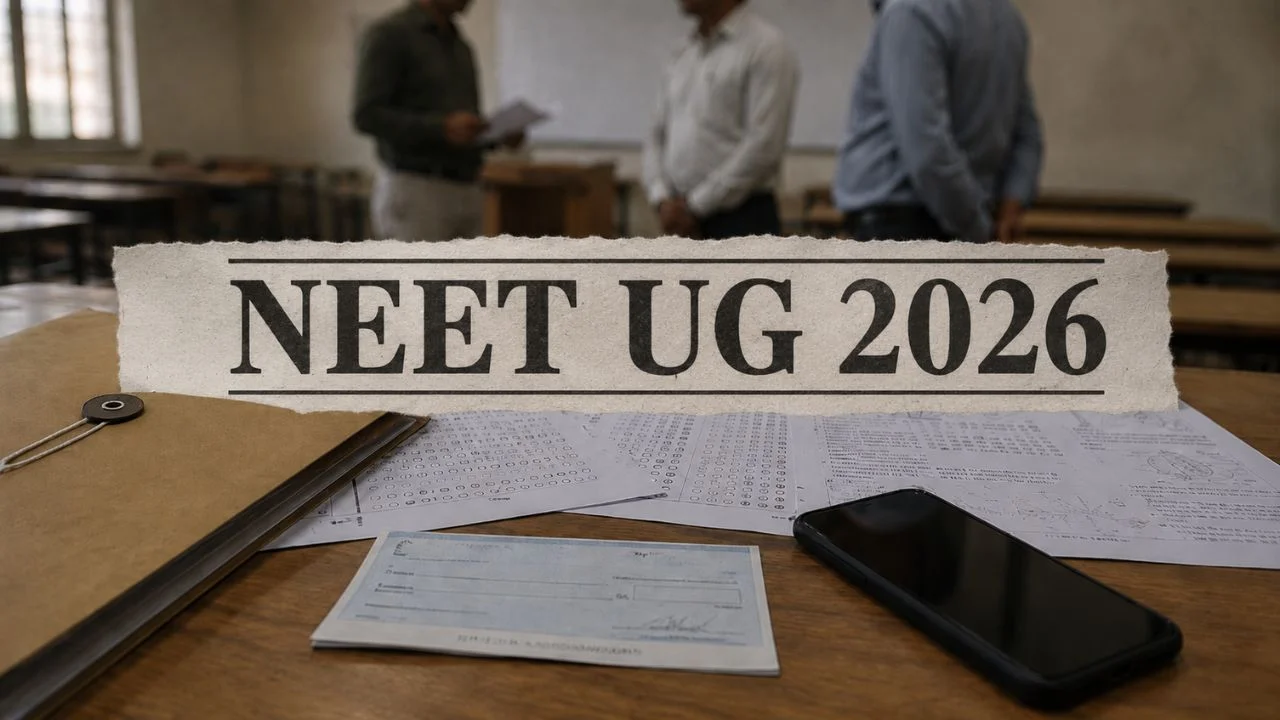
The National Testing Agency (NTA) has issued a warning to NEET UG 2026 candidates and their parents against submitting fake, altered, or AI-generated OMR sheets while raising objections related to examination results.
The examination authority said that candidates found providing fabricated documents or misleading information during the verification process could face legal consequences.
The warning comes after several students approached the agency with complaints alleging discrepancies between their expected scores and the marks published in the final results.
NTA Finds Suspicious Documents During Verification
According to the NTA, some candidates submitted OMR sheets while requesting score verification, but officials found that certain documents appeared to be manipulated or artificially generated.
The agency clarified that only original OMR sheets issued during the examination process will be accepted for reviewing complaints.
NTA officials said they are examining all grievances carefully and will consider only verified examination records while deciding on score-related concerns.
Students Raise Questions Over NEET UG Results
After the announcement of NEET UG 2026 results, several candidates reported differences between their estimated marks based on the official answer key and their final scorecards.
Some students claimed that their expected scores were significantly higher than the marks awarded in the results.
In some reported cases, candidates alleged that uploaded OMR sheets did not match their original answer sheets or that the displayed scores were inconsistent with their calculations.
The complaints prompted several students and parents to seek clarification and request a detailed review of the evaluation process.
AI-Generated Fake Records Create New Challenge
The NTA has highlighted the growing misuse of artificial intelligence tools to create fake examination documents.
Officials said digitally altered OMR sheets and fabricated records could create difficulties in identifying genuine grievances and may affect the integrity of the complaint resolution system.
The agency advised candidates to avoid using unofficial documents or modified materials while submitting objections.
Candidates found involved in producing false evidence may face action under applicable laws, the NTA warned.
NEET UG 2026 Conducted Again After Paper Leak Allegations
The NEET UG 2026 examination process faced controversy after allegations of a paper leak led authorities to cancel the original exam held on May 3.
A re-examination was conducted on June 21 for affected candidates, following which results were announced on July 16.
After the controversy, the government announced plans to move future NEET UG examinations from the traditional pen-and-paper format to a computer-based testing (CBT) system.
Verification Process Continues
The NTA said the review of complaints submitted by candidates is still underway and further decisions will be taken after completing the verification of all documents.
The agency has urged students to rely only on official communication channels and submit genuine records while seeking clarification about their results.

The Special Investigation Team (SIT) investigating the Maharashtra Teachers Eligibility Test (Maha TET) paper leak case has arrested the wife of the alleged mastermind as authorities continue to crack down on a suspected interstate examination fraud network.
Suman Kumari Gupta (40), a resident of Patna, Bihar, was taken into custody in connection with the ongoing investigation. She is the wife of Bijendar Kumar Baleshwar Kumar Sah, who has been identified by investigators as the alleged kingpin of the operation and remains absconding. A local court has remanded Gupta to police custody until July 6 for further questioning.
Financial Trail Under Investigation
According to the SIT, Gupta’s alleged involvement emerged during an examination of financial records and communication links between individuals suspected of participating in the paper leak network. Investigators believe she was aware of financial transactions connected to the alleged racket and had contact with several accused persons.
Police are now questioning her to determine the structure of the network, identify additional participants, and trace the movement of funds allegedly used to support the illegal operation.
Look Out Circulars Issued Against Absconding Accused
The investigation has also intensified efforts to locate two absconding suspects. Authorities have issued Look Out Circulars (LOCs) against Bijendar Kumar Baleshwar Kumar Sah and Kapil Dahiya to prevent them from leaving the country.
Investigators allege that Dahiya travelled under a false identity and was part of a group that reached Bhiwandi with the intention of distributing or selling leaked examination papers before the scheduled test. Police claim he escaped before officers could arrest him.
Interstate Network Suspected
According to investigators, Kapil Dahiya, a resident of Haryana’s Sonipat district, allegedly worked alongside Dheeraj Balraj Singh of Panipat, who was arrested earlier during a police operation targeting individuals accused of attempting to sell leaked examination papers.
The SIT believes two separate groups from Bihar and Haryana travelled independently to Maharashtra for the alleged operation. Although the teams reportedly had no direct connection with one another, investigators suspect both were coordinated by the absconding alleged mastermind.
Police further allege that Sah arranged flight bookings, local transportation, and maintained communication with members of the network throughout the operation before going into hiding after the first arrests were made.
Ten Investigation Teams Tracking Wider Conspiracy
To speed up the probe, the SIT has formed ten specialized teams to investigate different aspects of the case, including financial transactions, digital evidence, travel records, and communication networks.
Officials suspect the alleged mastermind may attempt to flee through the India-Nepal border due to his reported links to Bihar’s Samastipur district. The Look Out Circulars have been issued to prevent any international escape and assist law enforcement agencies in locating the accused.
Experts Call for Stronger Anti-Fraud Measures
Cybersecurity experts say organized examination fraud has evolved into sophisticated criminal enterprises involving encrypted communications, financial laundering, interstate coordination, and complex travel logistics.
Security analysts recommend stronger intelligence sharing between investigative agencies, advanced digital forensic capabilities, real-time financial monitoring, and coordinated interstate enforcement to dismantle such syndicates effectively. They also stress that enhanced security measures are essential to safeguard the credibility of public recruitment and competitive examinations across the country.
-

 Business3 years ago
Pot Odor Does Not Justify Probable Cause for Vehicle Searches, Minnesota Court Affirms
-

 Business3 years ago
New Mexico cannabis operator fined, loses license for alleged BioTrack fraud
-

 Business3 years ago
Alabama to make another attempt Dec. 1 to award medical cannabis licenses
-

 Business3 years ago
Washington State Pays Out $9.4 Million in Refunds Relating to Drug Convictions
-

 Business3 years ago
Marijuana companies suing US attorney general in federal prohibition challenge
-

 Business3 years ago
Legal Marijuana Handed A Nothing Burger From NY State
-

 Business3 years ago
Can Cannabis Help Seasonal Depression
-

 Blogs3 years ago
Cannabis Art Is Flourishing On Etsy