
Courts & Legal Affairs
Raipur: ED Seizes ₹40 Lakh in Land Acquisition Scam Under Bharatmala Project


The Enforcement Directorate (ED) has recovered ₹40 lakh in cash while investigating an alleged land acquisition scam linked to the Raipur–Visakhapatnam highway project under the Bharatmala Pariyojana. The searches were carried out on February 29, 2025, across multiple locations in Raipur and Mahasamund districts of Chhattisgarh.
Raids Across Multiple Properties
According to officials, the ED conducted coordinated searches at ten residential and commercial premises connected to key accused persons, including Harmeet Singh Khanuja. The action was taken under the provisions of the Prevention of Money Laundering Act (PMLA), 2002, following allegations of financial irregularities in land compensation paid for the national highway project.
The case originated from an FIR registered by the Anti-Corruption Bureau and Economic Offences Wing (ACB-EOW), Raipur. The complaint named several individuals, including the then Sub-Divisional Officer (Revenue) of Abhanpur, Nirbhay Sahu, and other public officials, for offences under the Prevention of Corruption Act, 1988, along with relevant sections of the Indian Penal Code.
Alleged Manipulation of Land Records
Investigators allege that the accused, in collusion with certain government officials, manipulated land ownership records to unlawfully increase compensation payouts. The ED’s probe suggests that large parcels of land were deliberately divided into smaller plots and transferred among family members through backdated entries.
These alterations reportedly made it appear that the subdivisions existed prior to the official land acquisition process, enabling the claimants to receive significantly higher compensation. The excess amount generated through this method has been treated as “proceeds of crime,” resulting in a substantial loss to the public exchequer.
Cash, Documents, and Digital Evidence Seized
During the searches, the ED seized ₹40 lakh in cash along with electronic devices and documents believed to be crucial to the investigation. Officials also traced the alleged diversion of illegal funds into the purchase of movable and immovable assets, some of which were registered in the names of associates and related entities.
Authorities stated that the material recovered during the raids has provided important leads into how property-related fraud and fund transfers were executed.
Broader Implications for Public Projects
ED officials emphasized that the case underscores vulnerabilities in land acquisition and compensation mechanisms for large infrastructure projects. They noted that manipulation of official records not only facilitates corruption but also erodes public confidence in government schemes.
Experts have pointed out that stronger digital land records, regular audits, and transparent verification processes are critical to preventing similar frauds in the future. Enhanced monitoring of financial and banking transactions has also been identified as a key safeguard.
Investigation Ongoing
The Enforcement Directorate has confirmed that the investigation is still underway and further action will be taken based on the evidence collected. Officials reiterated that assets derived from unlawful activities will continue to face strict scrutiny under money laundering laws.




Aviation & Transport
Go First Insolvency Row: FIR Against Former Board, DGCA Official, EaseMyTrip and Cleartrip

New Delhi: The legal troubles surrounding the insolvency proceedings of now-grounded airline Go First have intensified after Ernakulam Police registered an FIR against the company’s former board of directors, an unnamed official of the Directorate General of Civil Aviation (DGCA), travel booking platforms EaseMyTrip and Cleartrip, and the airline’s Resolution Professional.
The FIR, filed on July 9, relates to allegations of cheating and criminal breach of trust connected with ticket bookings made after Go First had begun its insolvency process. The case was registered under relevant provisions of the Bharatiya Nyaya Sanhita (BNS), including sections related to breach of trust, cheating, and fraudulent conduct.
The action follows an order from the Chief Judicial Magistrate Court in Ernakulam based on a complaint filed by aviation safety activist and advocate Yeshwant Shenoy. The complaint alleged that ticket sales continued despite the airline’s decision to seek voluntary insolvency, potentially causing financial losses to passengers.
Allegations Over Ticket Sales During Insolvency Process
According to the complaint, Go First’s board approved the decision to initiate insolvency proceedings on April 28, 2023. Shareholders later approved the move during an Extraordinary General Meeting on April 30, and the airline approached the National Company Law Tribunal (NCLT) on May 2, 2023.
However, the complaint claims that ticket bookings continued until May 10, allowing passengers to purchase tickets for flights that were later cancelled after the airline suspended operations.
Those named in the FIR include former chairman Nusli Neville Wadia, director Ness Nusli Wadia, former CEO Kaushik Khona, other former board members, an unidentified DGCA official, online travel companies EaseMyTrip and Cleartrip, and Resolution Professional Shailendra Ajmera.
Passenger Claims Financial Loss
The complainant stated that he personally suffered a loss of ₹64,000 after booking Kochi-Mumbai flight tickets for family members and friends on the same day Go First filed its insolvency application.
He alleged that despite raising concerns with the aviation regulator, action to stop advance bookings was taken only on May 10 following intervention by the Kerala High Court.
The complaint further alleges that the DGCA was aware of Go First’s financial difficulties but failed to take timely steps to protect passengers. It referred to previous regulatory actions involving financially distressed airlines, including restrictions placed on advance bookings during earlier crises.
Dispute Over Scale of Passenger Losses
The complaint has also questioned the reported financial impact on passengers. Go First had stated that around 4,118 flights were cancelled in April 2023, affecting nearly 77,500 passengers.
While media reports estimated passenger-related claims at approximately ₹900 crore, the complainant argued that the actual amount collected from passengers could have been significantly higher, alleging that bookings continued for additional days despite the airline’s financial situation.
The FIR alleges that the accused parties may have caused financial harm to passengers while benefiting from continued ticket transactions despite the airline’s expected operational shutdown.
Investigation to Examine Records and Communications
The police investigation is expected to examine various documents, including board decisions, communications between Go First and regulatory authorities, booking details, payment records, and the role of online travel platforms in processing ticket sales.
The probe will also look into whether adequate disclosures and warnings were provided to passengers during the period between the insolvency decision and the suspension of bookings.
Experts Highlight Need for Stronger Consumer Protection
Cybercrime and digital fraud experts have noted that while the case primarily involves corporate and regulatory issues, online platforms handling consumer payments must maintain strict compliance standards during periods of financial uncertainty.
Experts have stressed the importance of timely coordination between regulators, airlines, payment providers, and booking platforms to ensure passengers are informed quickly and protected from avoidable losses.
The matter is currently under investigation. The allegations mentioned in the FIR remain unproven, and no court has established guilt against any of the individuals or organisations named in the case.
Corruption & Investigation
The Cashew Concession: Kerala Government Clears CBI Prosecution Against Former Tycoons Under High Court Pressure
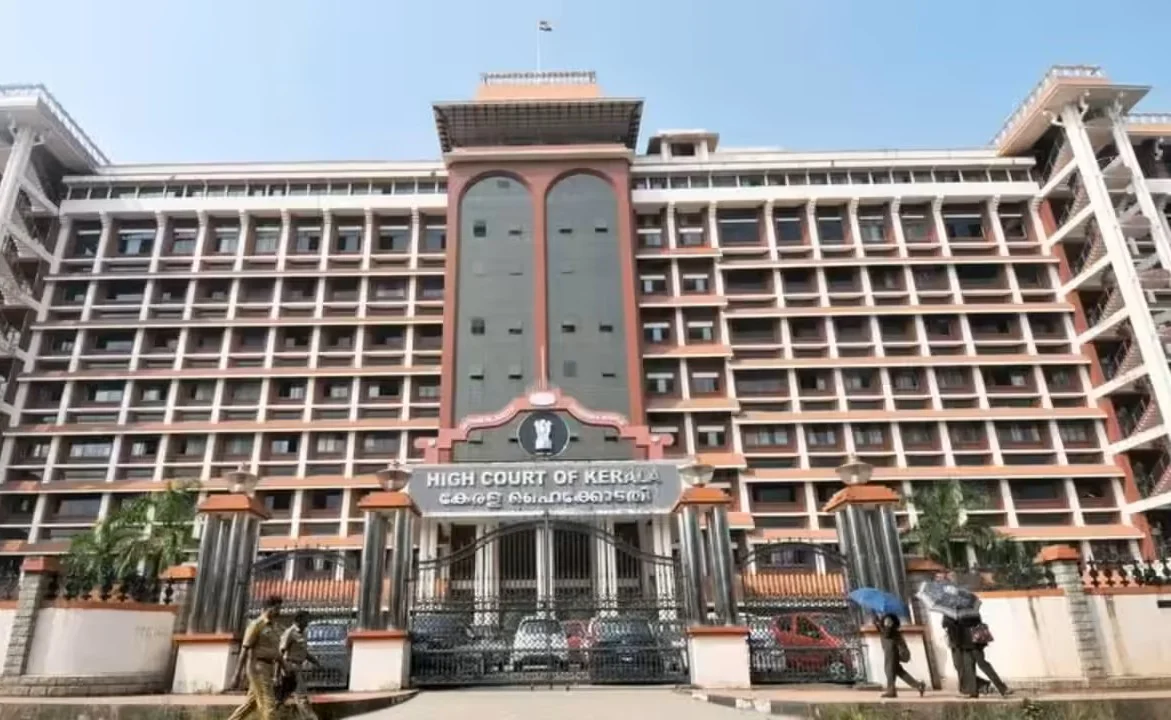
The Kerala government has approved prosecution proceedings by the Central Bureau of Investigation (CBI) against two former senior officials of the Kerala State Cashew Development Corporation (KSCDC) in connection with an alleged ₹600 crore raw cashew import irregularities case.
The decision follows prolonged legal proceedings before the Kerala High Court, which had questioned delays in granting the required sanction to prosecute public servants. The state government’s approval now allows the long-pending case against former KSCDC Chairperson R. Chandrasekharan and former Managing Director K.A. Ratheesh to move forward.
High Court Pressure Leads to Prosecution Approval
The case relates to procurement activities carried out by KSCDC between 2006 and 2015. The CBI has alleged that irregularities occurred during the import of raw cashew nuts, including claims of inflated pricing, violations of procurement procedures, and financial losses to the state-run corporation.
Although the investigating agency had prepared charges related to alleged cheating, breach of trust, and corruption offences, further legal action remained pending due to the absence of government approval required for prosecuting officials who held public positions.
The matter gained fresh momentum after proceedings were initiated before the Kerala High Court over alleged non-compliance with earlier court directions. Following judicial intervention, the Industries Department issued approval for prosecution.
State Revises Sanction Order After Legal Dispute
The first approval issued by the government reportedly contained remarks questioning aspects of the court’s intervention. After further legal developments, the state revised the order and issued a fresh sanction document focused on the available evidence and legal requirements.
The revised approval allows the CBI to continue criminal proceedings while keeping open the government’s option to challenge certain legal observations before higher judicial forums.
Former Officials Reject Allegations
Former KSCDC Chairperson R. Chandrasekharan has denied allegations of personal wrongdoing and said that decisions regarding procurement were taken collectively by the corporation’s board.
He has maintained that earlier reviews did not establish criminal intent and described the case as a result of internal disputes rather than deliberate financial misconduct.
The former officials will now face the judicial process, where the allegations and evidence presented by investigators will be examined by the court.
Case Raises Questions Over Public Procurement Oversight
The development has renewed debate over transparency and accountability in public sector procurement systems. Experts have highlighted the need for stronger monitoring mechanisms, independent audits, and improved price verification processes in government-owned institutions.
The case also underlines the importance of ensuring that large-scale public purchases, especially international commodity transactions, are supported by transparent evaluation systems and effective financial controls.
With prosecution approval granted, the CBI is expected to proceed with further legal steps, including presenting evidence before the court. The final outcome will depend on judicial examination of the investigation records and arguments from both sides.
Courts & Legal Affairs
Targeting The Networks: US DOJ Demands Prioritized Prosecution Of Organized Birth Tourism Syndicates
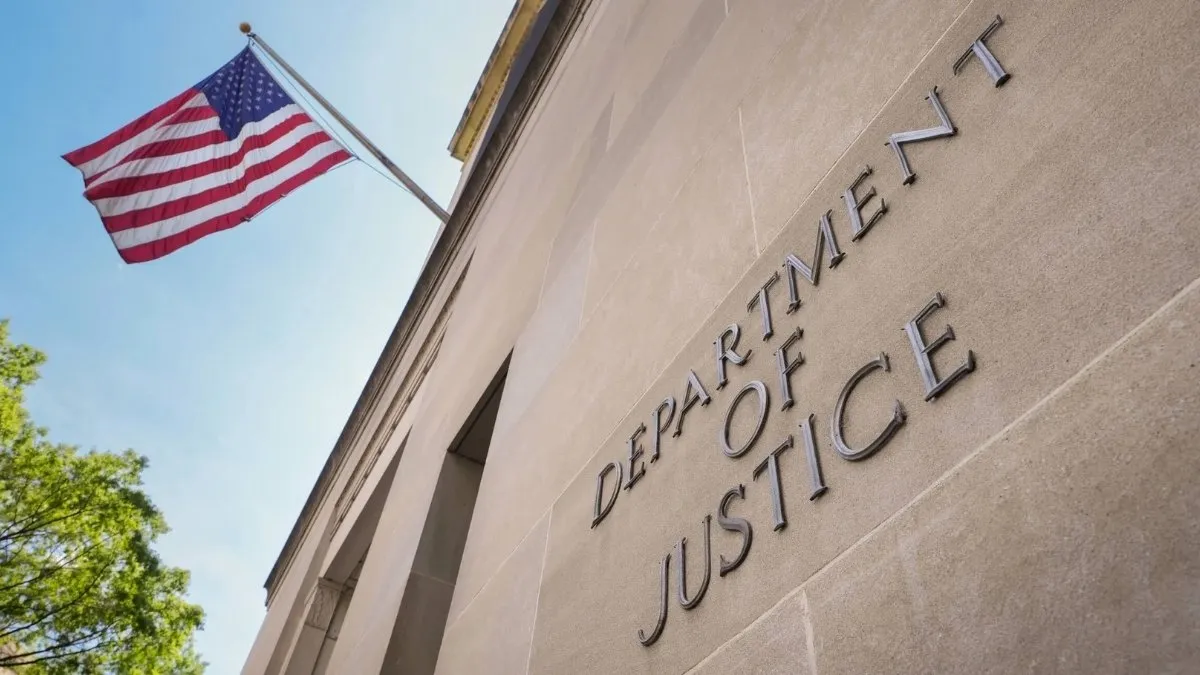
The United States Department of Justice (DOJ) has escalated its enforcement strategy against organized birth tourism operations, directing federal prosecutors nationwide to prioritize investigations and criminal prosecutions targeting structured networks allegedly facilitating such activities.
The directive comes in the wake of a recent 6–3 ruling by the U.S. Supreme Court reaffirming the constitutional protection of birthright citizenship under the 14th Amendment, effectively limiting executive efforts to alter citizenship rules through administrative orders.
DOJ Shifts Focus to Criminal Networks Behind Birth Tourism
Following the court’s ruling, federal authorities are now concentrating on dismantling the organized infrastructure supporting birth tourism schemes rather than focusing solely on individual cases of immigration misuse.
According to the DOJ directive, prosecutors are being instructed to pursue a broader range of federal offenses against suspected operators and facilitators, including wire fraud, visa fraud, identity theft, and international money laundering.
Officials say the strategy is designed to disrupt coordinated systems that allegedly assist foreign nationals in securing U.S. citizenship for their children through deceptive or unlawful means.
Multi-Agency Task Force Expands Enforcement Reach
The DOJ is reportedly coordinating with the Department of Homeland Security (DHS) through a specialized enforcement initiative focused on identifying and dismantling birth tourism networks.
The joint approach emphasizes tracing financial transactions, travel arrangements, and digital communication trails tied to agencies suspected of organizing end-to-end travel and hospital arrangements for expectant mothers entering the United States.
Authorities believe this coordinated model will allow investigators to target entire syndicates rather than isolated participants.
Rise of Commercial Birth Tourism Services Under Scrutiny
Federal investigators have also raised concerns about the emergence of commercial agencies offering structured “birth tourism packages,” which allegedly include visa assistance, travel logistics, accommodation arrangements, and hospital coordination services.
These agencies are believed to operate as profit-driven networks charging substantial fees for facilitating childbirth in the United States, often marketed as a pathway to securing long-term citizenship benefits for children.
Authorities say such operations have created challenges for immigration enforcement and healthcare systems, particularly where medical costs remain unpaid or are shifted to public institutions.
Legal Landscape Reinforced by Supreme Court Ruling
The DOJ’s renewed enforcement focus follows the Supreme Court’s decision reaffirming that individuals born on U.S. soil are entitled to citizenship under the Constitution.
With the executive branch unable to alter this legal framework through administrative action, federal authorities are now pursuing alternative enforcement pathways focused on fraud, deception, and financial crimes linked to organized facilitation networks.
Legislative Push and Policy Debate Continue
In parallel with enforcement actions, policymakers are reportedly exploring legislative options aimed at addressing perceived loopholes in immigration and citizenship-related processes.
While the administration continues to advocate for stronger statutory controls, legal experts note that any major change to birthright citizenship would ultimately require significant constitutional or legislative action.
Conclusion: Focus Turns to Organized Facilitation Networks
The DOJ’s latest move signals a strategic shift from individual enforcement to targeting organized systems allegedly enabling birth tourism at scale. Authorities emphasize that future prosecutions will focus on financial trails, corporate facilitators, and coordinated fraud mechanisms rather than isolated travelers.
-

 Business3 years ago
Pot Odor Does Not Justify Probable Cause for Vehicle Searches, Minnesota Court Affirms
-

 Business3 years ago
New Mexico cannabis operator fined, loses license for alleged BioTrack fraud
-

 Business3 years ago
Alabama to make another attempt Dec. 1 to award medical cannabis licenses
-

 Business3 years ago
Washington State Pays Out $9.4 Million in Refunds Relating to Drug Convictions
-

 Business3 years ago
Marijuana companies suing US attorney general in federal prohibition challenge
-

 Business3 years ago
Legal Marijuana Handed A Nothing Burger From NY State
-

 Business3 years ago
Can Cannabis Help Seasonal Depression
-

 Blogs3 years ago
Cannabis Art Is Flourishing On Etsy