
Health
Prescription Made Mandatory for Cough Syrups as Government Tightens Drug Rules

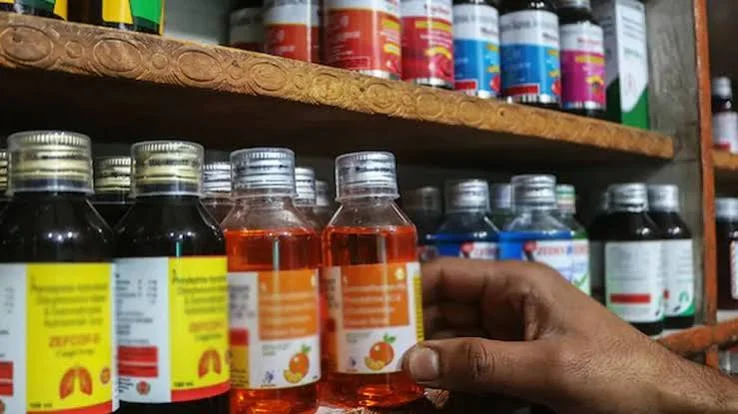
The Central Government has introduced stricter regulations for syrup-based medicines, requiring patients to present a valid doctor’s prescription to purchase cough syrups and other liquid drug formulations. The move is part of a broader amendment to India’s drug regulatory framework aimed at strengthening patient safety and reducing the risks linked to self-medication.
According to an official notification from the Ministry of Health and Family Welfare, the Drugs (Fifth Amendment) Rules, 2026 have come into force, bringing significant changes to the sale and distribution of certain medicines across the country.
Key Regulatory Change: Syrups Removed from Exemption List
A major revision has been made to Schedule K of the Drugs Rules, 1945, which previously allowed specific categories of medicines to be sold without a prescription under defined exemptions. With the latest amendment, syrup-based medicines have been removed from this exemption list.
As a result, cough syrups and similar liquid formulations can no longer be sold over the counter without prescription verification. Pharmacies and medical stores will now be required to check and confirm a valid prescription before dispensing these products.
Officials say the decision is intended to ensure that such medicines are used only under proper medical supervision, particularly to prevent misuse and inappropriate consumption.
Government Cites Health Risks and Misuse Concerns
Health authorities have raised concerns over the widespread practice of self-medication, especially with easily available syrup formulations. In several cases, incorrect dosage or unsupervised use has led to avoidable health complications.
Medical experts note that children, elderly individuals, and patients with chronic illnesses are especially vulnerable to improper use of liquid medicines. Risks include adverse drug reactions, incorrect treatment, and harmful drug interactions when medications are taken without professional guidance.
The government has emphasized that the revised framework is designed to promote responsible medication practices and minimize the health risks associated with unsupervised drug consumption.
Consultation and Expert Review Behind the Decision
The amendment did not come into effect abruptly. The government had earlier issued a draft notification in December 2025, inviting feedback from healthcare professionals, pharmaceutical companies, pharmacists, and members of the public.
Before final approval, the proposal was reviewed by the Drugs Technical Advisory Board (DTAB), the apex technical authority on drug-related matters in India. After considering expert recommendations and stakeholder inputs, the final rules were notified and implemented in 2026.
Impact on Pharmacies and Drug Retailers
The new regulation is expected to significantly impact pharmacy operations across the country. Chemists and drug retailers will now be required to ensure strict compliance by verifying prescriptions before selling any syrup-based medicine.
In addition, pharmacies may need to maintain detailed sales records and follow updated documentation procedures as required under existing drug control laws. Enforcement agencies and state drug regulators are expected to conduct inspections to ensure adherence to the new rules.
Non-compliance could result in regulatory action under existing pharmaceutical laws, as authorities aim to tighten oversight in the retail drug sector.
Strengthening Drug Safety Framework
Officials have stated that the amendment is part of a broader effort to enhance drug safety standards and improve accountability in medicine distribution. By restricting over-the-counter access to syrup formulations, the government aims to reduce misuse, improve treatment outcomes, and ensure safer healthcare practices nationwide.
The move marks a significant shift in how commonly used medicines like cough syrups are regulated in India, signaling stricter control over even widely available drug categories.
Health
Over 700 Cough Syrup Manufacturers Face Intense Scrutiny: DEG-Linked Child Deaths Trigger Nationwide Crackdown

The Indian government has launched a nationwide crackdown on paediatric cough syrup manufacturers following reports of child deaths linked to contaminated medicines. More than 700 manufacturers are now under intensive audits by central and state drug regulators, as part of measures to ensure strict compliance with drug quality and safety standards, Minister of State for Health Anupriya Patel informed the Rajya Sabha.
Cluster of Fatalities in Madhya Pradesh Triggers Investigation
The crackdown was prompted by a series of child deaths in Chhindwara district, Madhya Pradesh. In response, a multidisciplinary expert team from the National Centre for Disease Control (NCDC), National Institute of Virology (NIV), and Central Drugs Standard Control Organisation (CDSCO) conducted field investigations in Chhindwara and Nagpur, coordinating with state authorities.
Investigators collected 19 samples of medicines consumed by the affected children from clinics and nearby pharmacies. Laboratory testing revealed that:
- 15 samples met standard quality requirements
- 4 samples were declared Not of Standard Quality (NSQ)
Deadly Contaminant: Diethylene Glycol in Coldrif Syrup
Testing identified the Coldrif Syrup manufactured by Sresan Pharmaceuticals, Kancheepuram, Tamil Nadu, as containing 46.28% Diethylene Glycol (DEG). DEG and Ethylene Glycol (EG) are highly toxic industrial chemicals that can cause acute kidney failure, neurological damage, and death, particularly in children.
Factory Inspections Reveal Severe GMP Violations
CDSCO inspections of Sresan Pharmaceuticals flagged serious Good Manufacturing Practices (GMP) lapses, including unhygienic production and improper storage conditions. Consequences included:
- Cancellation of the company’s manufacturing licence
- Filing of criminal cases in Madhya Pradesh and Tamil Nadu
- Arrests of responsible personnel
- Immediate recall and sales ban in Madhya Pradesh, Tamil Nadu, Odisha, and Puducherry
Stricter Guidelines and Regulatory Reforms
To prevent future tragedies, the Central Drugs Controller has issued several directives:
| Date | Directive |
|---|---|
| 3 October | Ensure rational prescription of paediatric cough syrups |
| 7 October | Enforce drug testing regulations under Drugs Rules, 1945 |
| 21 October | Heightened vigilance against spurious and substandard medicines |
Additionally, the Indian Pharmacopoeia Commission (IPC) has updated IP-2022 to mandate DEG and EG testing at both raw material and finished product stages before market release, aligning with global safety standards.
Zero Tolerance for Drug Safety Breaches
Minister Patel emphasized the government’s zero-tolerance stance toward pharmaceutical negligence, particularly in safeguarding children, who are most vulnerable to adverse drug reactions. The crackdown represents a significant effort to strengthen drug safety oversight and restore public confidence in paediatric medicines.
-
 Business3 years ago
Pot Odor Does Not Justify Probable Cause for Vehicle Searches, Minnesota Court Affirms
-

 Business3 years ago
New Mexico cannabis operator fined, loses license for alleged BioTrack fraud
-
 Business3 years ago
Alabama to make another attempt Dec. 1 to award medical cannabis licenses
-
 Business3 years ago
Washington State Pays Out $9.4 Million in Refunds Relating to Drug Convictions
-
 Business3 years ago
Marijuana companies suing US attorney general in federal prohibition challenge
-

 Business3 years ago
Legal Marijuana Handed A Nothing Burger From NY State
-

 Business3 years ago
Can Cannabis Help Seasonal Depression
-

 Blogs3 years ago
Cannabis Art Is Flourishing On Etsy