
Crime News
Mumbai ATM Cash-Trapping Scam Busted: Three Arrested in Bhandup

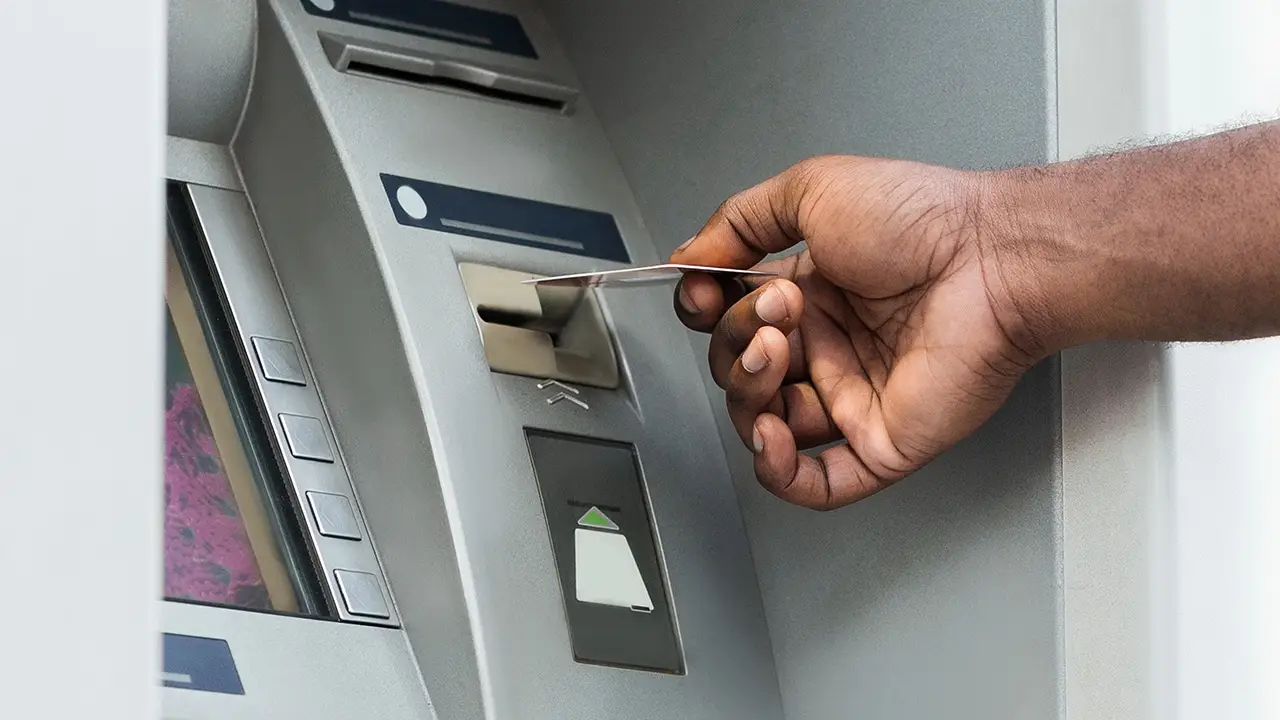
Mumbai Police have uncovered an ATM cash-trapping fraud in Bhandup, where a gang allegedly used a plastic strip to prevent cash from being dispensed and later collected the trapped money.
Police have arrested three people in connection with the case, including the alleged main accused and two women suspected of assisting in the operation.
The investigation began after several ATM users reported that money had been deducted from their bank accounts, but cash was not received from the machine.
Bank Complaint Leads to Investigation
The case was registered after a complaint from a 37-year-old branch manager of Bank of Baroda in Bhandup.
According to police, the bank’s ATM at Sachdev Complex received multiple complaints from customers who experienced failed cash withdrawals despite successful debit transactions.
Following the complaints, Bhandup Police registered a case under relevant sections of the Bharatiya Nyaya Sanhita (BNS) and launched an investigation to identify those responsible.
CCTV Footage Exposes Fraud Technique
During the investigation, police reviewed CCTV recordings from the ATM location and allegedly identified the method used by the suspects.
Investigators said the accused inserted a thin grey plastic strip into the ATM’s cash outlet before customers attempted withdrawals.
Because of the obstruction, the currency notes reportedly remained stuck inside the dispenser instead of being released. Customers, assuming the machine had malfunctioned, allegedly left the ATM without receiving money.
Police said the accused would then return after the customer left and remove the trapped cash.
The CCTV footage reportedly helped investigators identify the movements of the suspects and understand their alleged roles in the fraud.
Alleged Mastermind Arrested, Items Recovered
Based on technical evidence and CCTV analysis, police arrested 21-year-old Mohammad Ziyad alias Ayan Irshad Ahmed, who has been identified as the alleged mastermind behind the operation.
During further investigation, police also identified two women allegedly connected with the case — 45-year-old Arifa Azeem Dukandar and 24-year-old Namira Azeem Dukandar.
Police said notices have been issued to both women under Section 35(3) of the Bharatiya Nagarik Suraksha Sanhita (BNSS) while the investigation continues.
Authorities have recovered property worth approximately ₹1.29 lakh, including a motorcycle valued at around ₹80,000, a mobile phone, cash of ₹39,500, and the plastic strip allegedly used in the ATM fraud.
Police Warn ATM Users Against Cash-Trapping Scams
Mumbai Police have advised citizens to remain alert while conducting ATM transactions and immediately report suspicious situations.
Customers have been advised to:
- Confirm that cash has actually been received after completing a withdrawal.
- Contact their bank immediately if money is deducted but cash is not dispensed.
- Avoid accepting help from unknown persons near ATMs.
- Report damaged or suspicious ATM machines to authorities.
Officials said the investigation is ongoing to determine whether the arrested individuals were involved in similar fraud cases at other ATM locations.
Police are also examining whether additional members may be linked to the alleged network.


Police in Madhya Pradesh’s Indore have busted a cyber fraud network allegedly operating through the buying and selling of SIM cards. The investigation revealed that one SIM card was passed from its registered holder to several other people for money before eventually being used in cyber fraud. Police have arrested Rajesh Chaudhary, 42, in connection with the case and are searching for Bhagwandas alias Nana, Himanshu Junwal and Ashish Sharma.
How Did 151 SIM Cards Get Linked to 212 Fraud Complaints?
The case came to light during verification of suspicious data received from the Indian Cyber Crime Coordination Centre. Police found that 151 suspicious SIM cards linked to 49 point-of-sale holders and SIM-selling agents in the Indore urban area had been used in 212 financial fraud complaints registered across different states and cities.
Following the finding, investigators began examining the suspected numbers, their registered holders and the people involved in issuing and transferring the SIM cards.
During the investigation, one suspicious SIM was traced to Rohit Dalve, 27, a resident of Swarnbag Colony. During questioning, Dalve told investigators that he had issued the SIM on March 15, 2026, after completing the required document verification.
The SIM was issued in the name of Rajesh Chaudhary, 42, of Indore. Police subsequently questioned Chaudhary, leading investigators to uncover the chain through which the SIM allegedly changed hands.
How Did One SIM Pass Through Multiple Hands?
According to police, Chaudhary had obtained the SIM using his Aadhaar card but later handed it over to Bhagwandas alias Nana for ₹200.
Bhagwandas allegedly passed the SIM to Himanshu Junwal for financial gain and received around ₹500 in return. Investigators found that Junwal subsequently handed the same SIM to Ashish Sharma, who allegedly used the number for cyber fraud.
The investigation therefore revealed a chain in which the SIM moved from its registered holder to several individuals in exchange for money before reaching the alleged fraudster.
Such repeated transfers can make it difficult for investigators to immediately establish the identity of the person actually operating a SIM during a cybercrime.
How Were Victims Allegedly Trapped With Clothing and Franchise Offers?
Investigators found that the suspicious number was allegedly used to contact people with offers of jeans and pants at wholesale prices.
The accused allegedly collected money from customers but failed to supply the promised goods. In another method, victims were allegedly offered franchises for wholesale clothing businesses and asked to make payments.
The case was also linked to a complaint filed by Anil Kumar Gupta, a resident of Kheri district in Uttar Pradesh. According to the complaint, the accused allegedly offered him a franchise for a wholesale jeans and pants business.
They allegedly demanded ₹30,000 for the franchise and collected ₹10,000 from him as part of the deal. However, neither the promised franchise nor the goods were provided. Gupta subsequently filed a complaint on the National Cyber Crime Reporting Portal on May 27, 2026.
Who Has Been Arrested and Who Is Still Being Searched For?
Based on the complaint and findings from the investigation, MIG police registered a case and initiated further action.
Rajesh Chaudhary has been arrested, while Bhagwandas alias Nana, Himanshu Junwal and Ashish Sharma remain absconding.
Police are now examining the roles allegedly played by each person in obtaining, transferring and ultimately using the SIM card.
Is There a Bigger SIM Network Behind the Cyber Frauds?
Investigators are examining whether the 151 suspicious SIM cards linked to 212 financial fraud complaints were operated by a single organised network or were being used by multiple cybercrime groups.
Police are also looking into the wider network involved in the transfer and misuse of SIM cards, including the role of point-of-sale holders and SIM-selling agents linked to the suspicious numbers.
The case highlights the risks associated with SIM cards being obtained in one person’s name and subsequently handed over to others for money. Users should never sell, rent or hand over SIM cards registered in their name, as misuse of the number in cybercrime can bring the registered subscriber under investigation while making it harder for police to identify the actual fraudster.

Kanpur: An alleged attempt to fraudulently secure registration of a residential plot valued at nearly ₹1.5 crore has been stopped by officials of the Kanpur Development Authority (KDA). The suspected scheme reportedly involved presenting another woman as the original allottee and manipulating documents in an old KDA property file.
The disputed property, identified as Plot No. A-3 in the Ratanpur Extension Scheme, was originally allotted to Ramani Devi around 25 years ago. The registration process had remained incomplete due to outstanding payments.
According to preliminary findings, the suspected fraud involved forged or duplicated records, a purportedly false identity document and the alleged involvement of intermediaries. KDA officials reportedly detected inconsistencies before the registration could be completed.
Plot Remained Unregistered for Years
The M.I.G. plot was allotted to Ramani Devi decades ago, but the property could not be registered because the required dues had not been fully paid.
Investigators suspect that this unresolved status was exploited to facilitate the alleged fraud. Around ₹30 lakh in outstanding dues was reportedly deposited with the KDA, apparently clearing a major obstacle to the registration process.
Authorities are examining whether the payment was part of a broader plan to make the property appear ready for registration in the name of the original allottee.
Another Woman Allegedly Presented as Ramani Devi
The preliminary inquiry indicates that a different woman was allegedly arranged to appear as Ramani Devi during the registration process.
Documents connected to the original allottee were reportedly copied or altered, while an identity document allegedly bearing false details was prepared. The suspected objective was to create the appearance that the woman attending the registration was the genuine allottee.
Officials are also investigating how the old property records were accessed and whether any individuals with knowledge of the KDA’s internal procedures assisted in preparing the documents.
KDA Official Raises Doubt Over Identity
The suspected fraud reportedly came to light in March when KDA OSD Meenakshi Gupta questioned the identity of the woman presented for registration.
Following the concerns, officials halted the registration and began examining the relevant property records. KDA Secretary Abhay Kumar Pandey also directed that the registration should not proceed until the discrepancies were clarified.
The intervention prevented the disputed property, estimated to be worth around ₹1.5 crore, from potentially being transferred through the alleged fraudulent process.
Forged Records and Broker Role Under Investigation
The inquiry is now focused on more than the alleged impersonation. Investigators are examining whether old KDA records were deliberately manipulated and whether duplicate or forged documents were inserted into the official file.
The possible involvement of brokers and other intermediaries is also being investigated. Authorities are seeking to determine who arranged the woman, prepared the allegedly forged documents and facilitated access to the property records.
Officials are also expected to examine whether any KDA personnel played a role in the suspected scheme.
FIR Filed as Probe Continues
An FIR has been registered following the discovery of the alleged irregularities. Police are investigating the identities and roles of the people suspected of being involved in the attempted property fraud.
The investigation will also examine payment records, identity documents, KDA files and other evidence connected with Plot No. A-3.
For now, the registration of the property has been stopped. Authorities are continuing to investigate the alleged conspiracy and will determine further legal action based on the evidence collected.
Lucknow: The Food Safety and Drug Administration (FSDA) has uncovered alleged irregularities in drug purchase and supply records involving several firms operating in Lucknow’s Aminabad area. The probe reportedly concerns transactions worth crores of rupees, including purchases that may have been recorded without corresponding physical supplies.
According to the department’s preliminary findings, questionable invoices, suspected cross-billing and transactions involving a firm that had reportedly ceased operations were identified during the investigation. An FIR has been registered at Aminabad police station against four firm operators, and authorities are examining financial records, invoices and stock details.
The individuals named in the case include Ankur Awasthi of Health Plus, Manish Bajpai of MK Pharma, Govind Shukla of Ram Pharma and Ejaz Ahmad of Patient Care Surgical House in Saharanpur.
Alleged Cross-Billing Raised Questions
Investigators suspect that multiple firms may have used invoices and financial transactions to create records suggesting the purchase and sale of medicines.
The alleged transactions are now being compared with bank statements, purchase bills, stock registers and supplier records. Authorities are attempting to determine whether the medicines mentioned in the documents were actually supplied and moved through the claimed distribution chain.
The investigation will also establish the period during which the alleged transactions took place and whether additional businesses were involved.
Drug Purchases Linked to Closed Firm
A major concern in the investigation relates to Patient Care Surgical House in Saharanpur. According to FSDA officials, drug purchases were reportedly recorded in the firm’s name even though it had allegedly stopped operating nearly two years earlier.
Authorities are examining how transactions could have continued to appear under the firm’s name after its reported closure. Investigators are also checking who controlled the firm’s documentation and whether its details were allegedly used to support paper transactions.
Records associated with Health Plus and Ram Pharma are also being examined to trace the claimed purchase, sale and movement of medicines.
MK Pharma’s ₹8.87 Crore Transactions Examined
The records of MK Pharma have emerged as another key part of the probe. According to the investigation, the firm recorded drug purchases valued at approximately ₹8.87 crore in 2026.
Officials reportedly found a discrepancy involving nearly 39.20 lakh units of Joril M-1. The department is now verifying whether the quantity shown in the records was actually supplied and where the stock was allegedly distributed.
Purchase invoices, stock registers, supplier information and banking records are being examined to establish whether the reported transactions correspond with the physical movement of medicines.
Invoices for Joril M-1, Augmentin and Dexorange Questioned
The investigation has also raised concerns over invoices allegedly relating to Joril M-1, Augmentin and Dexorange syrup.
FSDA officials reportedly contacted the manufacturers to verify the disputed invoices and batch information. According to the department, the manufacturers did not confirm sales corresponding to some of the documents, while certain batch details were reportedly found to be inconsistent or fake.
The findings have prompted authorities to investigate not only possible financial irregularities but also the source and movement of the medicines mentioned in the records.
Police and FSDA Trace Wider Supply Network
Following the FIR, investigators are examining the financial and documentary trail connected with the four firms. Bank transactions, invoices, stock records and other business documents are being scrutinised.
Authorities are also checking whether wholesalers, retailers, suppliers or other companies may have been involved in the alleged transactions.
The investigation is expected to determine the actual value of any questionable transactions, whether medicines were physically supplied against the disputed invoices and whether additional individuals or firms played a role.
At this stage, the individuals named in the FIR are accused and the allegations remain subject to investigation. Further action will depend on documentary evidence, financial records and verification from manufacturers and other parties.
-

 Business3 years ago
Pot Odor Does Not Justify Probable Cause for Vehicle Searches, Minnesota Court Affirms
-

 Business3 years ago
New Mexico cannabis operator fined, loses license for alleged BioTrack fraud
-

 Business3 years ago
Alabama to make another attempt Dec. 1 to award medical cannabis licenses
-

 Business3 years ago
Washington State Pays Out $9.4 Million in Refunds Relating to Drug Convictions
-

 Business3 years ago
Marijuana companies suing US attorney general in federal prohibition challenge
-

 Business3 years ago
Legal Marijuana Handed A Nothing Burger From NY State
-

 Business3 years ago
Can Cannabis Help Seasonal Depression
-

 Blogs3 years ago
Cannabis Art Is Flourishing On Etsy