
Healthcare
Melatonin, Marijuana And A Good Night’s Sleep


When it comes to getting a good night’s rest, many cannabis imbibers turn to their favorite indica to help catch some zzzs. While the indica does have a mellowing effect on most, the pot is also working in conjunction with melatonin, a naturally occurring hormone in our brains that play a large role in our sleep patterns.
While melatonin helps us to achieve the all important REM sleep cycle of dreamland, cannabis is notorious for quashing dreams in many users. People from all walks of life anecdotally report that they just don’t dream as much, if at all. Of course there are exceptions. I dream vivid action movie-style and know others with active dream lives as well, but for the majority of heavy weed smokers, dreams are elusive at best.
It turns out that people are turning to forums like Erowid to report their experience taking melatonin supplements with their nightly cannabis. Apparently, smoking after taking melatonin not only helps you to drift off into dreamland (a little higher than usual), it also helps you to experience—or at least remember— dreams, which could theoretically mean that the person is getting a better form of rest.
People are finding that they are also able to wean off of benzo type drugs using melatonin and cannabis together. The biggest side effect that both methods share is a rough time getting out of bed in the morning. But other than that, melatonin and marijuana are both tame, naturally occurring substances, while we all know the dirty laundry lists of side effects that come with most Big Pharma productions.
The coolest part about getting your dreams back or intensifying them with these two combined supplements is that the slight psychedelic effects of cannabis can increase the dreamer’s visuals and warp them into funhouse mirrors and detailed landscapes. Some report lucid dreaming as well, where you’re aware that it’s a dream and are able to manipulate what’s going on within.
Melatonin supplements also come in handy when there isn’t any weed to be had. When you’ve either run out or had to stop for awhile, melatonin steps in for your preferred strain and helps you fall asleep gently, working with the naturally produced melatonin you already have to put you to bed in no time flat.
Source: https://thefreshtoast.com/cannabis/melatonin-marijuana-and-a-good-nights-sleep/










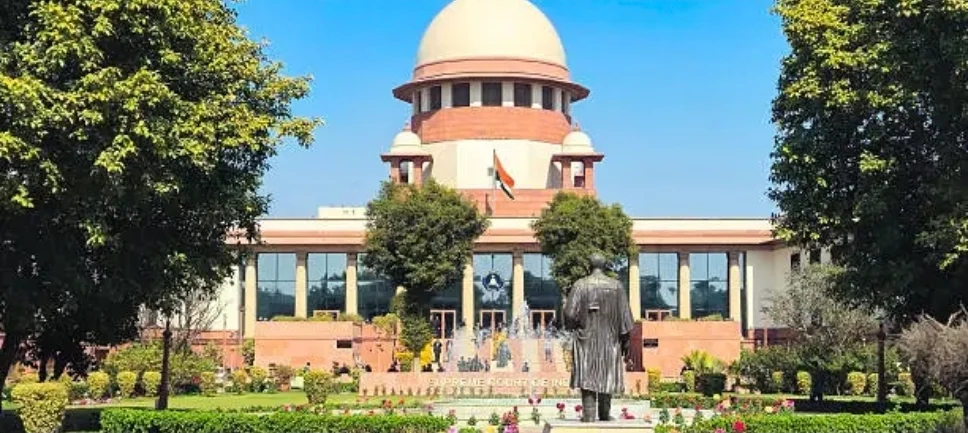
The Supreme Court of India has questioned the sharp difference between the prices at which medicines reach retailers and the maximum retail prices charged to patients, particularly in corporate hospitals.
During a hearing on September 29, a bench of Justices Vikram Nath and Sandeep Mehta examined whether a uniform limit of 16% could be applied to medicine margins. The discussion followed the court’s earlier concern over a cancer medicine with a retailer price of about ₹2,700–₹3,000 but an MRP of ₹27,000.
Court Questions Wide Gap Between Retail Price and MRP
The Supreme Court focused on how such large differences between the Price to Retailer (PTR) and MRP can affect patients who have little choice over where they obtain medicines during hospital treatment.
The bench questioned why different pricing rules should apply to essential and non-essential medicines and asked whether a common 16% margin could be considered across pharmaceutical products. The issue remains under consideration and the court has not imposed such a cap at this stage.
Concerns Over In-House Hospital Pharmacies
The court also examined the purchasing practices of corporate hospitals.
According to the proceedings, patients admitted to some hospitals may be directed to obtain medicines from the facility’s own pharmacy. The bench raised concerns about situations in which hospitals may not accept medicines purchased from outside pharmacies or may decline to provide treatment assurances when patients bring their own drugs.
The issue becomes particularly significant for patients undergoing expensive or long-term treatments, where medicine costs can represent a substantial part of the overall bill.
Impact on Government Health Schemes
The Supreme Court also highlighted the potential effect of high medicine prices on publicly funded healthcare programmes.
Where treatment is reimbursed under government schemes, the court noted that taxpayers ultimately finance the medical expenses. If reimbursement is calculated using substantially inflated MRPs, the difference between procurement costs and the amount reimbursed could increase public expenditure.
The bench also pointed to a consumer-trust problem. If a medicine officially carries an MRP of ₹27,000 but a pharmacy offers it for around ₹3,000, patients may question whether the cheaper medicine is genuine.
Government Seeks Time to Examine the Issue
Solicitor General Tushar Mehta, appearing for the Centre, told the court that the government would need to work out a balanced approach.
The government has been asked to examine the issue with relevant officials before responding further. The court granted additional time for consultations rather than immediately introducing a new pricing rule.
The proceedings are part of a broader case concerning medicine pricing, generic prescriptions and regulation of medical costs. The Supreme Court’s official website lists Justice Vikram Nath and Justice Sandeep Mehta as sitting together in Court No. 2 on September 29, 2026.
Court’s Earlier Warning on Medicine Pricing
The latest hearing follows strong observations made by the Supreme Court earlier in September after it examined the pricing of cancer medicines.
The bench had highlighted an example where a medicine costing roughly ₹2,700 at the retailer level carried an MRP of ₹27,000. The court questioned how such a substantial price difference could be justified when patients are dependent on life-saving medicines.
The court also heard arguments that pharmaceutical manufacturers may not necessarily retain the entire difference between the retailer price and the final amount charged to patients, with significant margins potentially arising at later stages of the supply chain, including retail and hospital sales.
What Happens Next?
The Supreme Court has not yet ordered a nationwide 16% medicine-margin cap. Instead, it has asked the government to consider possible regulatory solutions and return with its response.
The matter is scheduled for further hearing on October 12, when the court is expected to consider the government’s position on medicine pricing and related issues.
Any eventual regulatory change could have implications for patients, hospitals, pharmacies, pharmaceutical companies and government-funded healthcare programmes. For now, the 16% figure remains a proposal raised during the court proceedings rather than an operative rule.

U.S. federal authorities have secured the return of a fugitive suspect accused of involvement in a massive Medicare fraud operation, following his arrest in Türkiye. The extradition marks a significant development in a major healthcare fraud investigation that allegedly cost the American healthcare system billions of dollars.
The suspect, Ibrahim Khaldoon Hilmi, is now in federal custody after spending more than a year outside the United States. Prosecutors are expected to move forward with criminal proceedings as investigators continue to examine what authorities describe as a sophisticated fraud network targeting public healthcare funds.
International Manhunt Ends with Arrest in Türkiye
According to federal investigators, Hilmi left the United States in May 2025 while authorities were building their case. Law enforcement agencies later tracked his location to Türkiye, where cooperation between U.S. and Turkish officials led to his detention.
Following the completion of legal and diplomatic procedures, the suspect was transferred to American custody. Officials described the operation as a successful example of international law enforcement collaboration in pursuing suspects accused of large-scale financial crimes.
A specialized FBI team reportedly traveled to Türkiye to coordinate the transfer and ensure the extradition process was completed smoothly.
Alleged Scheme Targeted Medicare Reimbursement System
Investigators allege that Hilmi played a central role in a fraudulent operation that exploited the Medicare reimbursement system through false claims and improper billing practices.
Authorities estimate that the alleged scheme involved financial losses equivalent to approximately ₹31,700 crore, making it one of the most significant healthcare fraud investigations in recent years.
While the allegations have yet to be tested in court, investigators believe the operation relied on complex financial transactions and coordinated activities designed to extract funds from a government healthcare program serving millions of beneficiaries.
Federal Agencies Expand Investigation
The case extends beyond a single suspect. Federal authorities are examining the potential involvement of additional individuals, businesses, and organizations believed to be connected to the alleged fraud network.
Investigators are reviewing banking records, financial transactions, corporate structures, and digital evidence to determine the full scope of the operation and identify any additional participants.
Officials indicated that tracing the movement of funds and uncovering potential links between entities remains a key focus of the ongoing investigation.
Healthcare Fraud Remains a Major Concern
Government agencies continue to treat Medicare fraud as a serious threat because it impacts taxpayer-funded healthcare resources intended for legitimate medical services.
Authorities argue that fraudulent claims can divert critical funding, increase administrative costs, and place additional pressure on public healthcare programs. As healthcare systems become increasingly digitized, fraud schemes have also become more sophisticated and difficult to detect.
Financial crime specialists note that modern healthcare fraud investigations often involve shell companies, layered transactions, and cross-border financial networks that require extensive forensic analysis.
Growing Importance of Global Law Enforcement Cooperation
The successful return of Hilmi highlights the increasing role of international cooperation in combating financial crime. Law enforcement agencies worldwide are relying more heavily on cross-border partnerships to locate and apprehend suspects who attempt to evade prosecution by relocating overseas.
Officials say such collaborations are essential as financial crimes become increasingly global in nature, involving multiple jurisdictions and complex international money flows.
Legal Proceedings Ahead
The U.S. Department of Justice is expected to present evidence against the suspect as court proceedings move forward. Prosecutors will seek to establish the extent of the alleged fraud and determine accountability among those involved.
The outcome of the case could influence future enforcement efforts aimed at protecting public healthcare programs and strengthening safeguards against large-scale financial misconduct.
For federal authorities, the extradition of Ibrahim Khaldoon Hilmi represents a major step in an ongoing campaign to crack down on healthcare fraud and recover public funds allegedly lost through criminal schemes.

Cybercriminals have defrauded doctors across Telangana of nearly ₹30 crore since September 2024, prompting authorities to strengthen awareness campaigns and cybersecurity education within the healthcare sector.
The alarming figures were revealed during a cyber awareness programme organized by the Telangana Cyber Security Bureau (TGCSB) in Hyderabad. Senior officials warned that healthcare professionals are increasingly becoming targets of sophisticated online scams despite their educational and professional backgrounds.
Healthcare Professionals Under Growing Cyber Threat
Addressing representatives from various medical associations, TGCSB Director Shikha Goel highlighted the rising number of cybercrime incidents involving doctors and healthcare workers. She emphasized that cybercriminals are exploiting digital platforms to target individuals across all professions, including highly qualified medical practitioners.
Officials stressed that vigilance, awareness, and prompt reporting remain the strongest defenses against cyber fraud. The event focused on strengthening cooperation between law enforcement agencies and the medical fraternity to improve preparedness against evolving cyber threats.
More than 70 office-bearers from medical organizations across Telangana attended the session, including presidents, secretaries, treasurers, and senior representatives.
Investment Scams Responsible for Major Financial Losses
According to TGCSB data, at least 735 doctors have reported cybercrime-related incidents since September 2024, with total losses reaching approximately ₹29.88 crore.
Business and investment fraud emerged as the most damaging category, accounting for losses of ₹22.39 crore involving 127 victims. Investigators noted that fraudsters often lure professionals with promises of high returns, fake investment opportunities, and deceptive business schemes.
Authorities also reported a wide range of other cyber offences affecting doctors, including digital arrest scams, identity theft, impersonation fraud, fake advertisements, job-related scams, insurance fraud, cryptocurrency fraud, UPI-related cheating, matrimonial scams, and sextortion cases.
Authorities Stress Importance of Rapid Reporting
The Telangana Cyber Security Bureau urged victims to report cybercrime incidents immediately, especially during the critical “golden hour” after a fraudulent transaction occurs.
Officials explained that timely complaints through the national cybercrime helpline 1930 and the official cybercrime reporting portal can significantly improve the chances of freezing suspicious transactions and recovering stolen funds.
The bureau further warned that cybercriminals are employing increasingly advanced techniques to deceive victims, making awareness and quick action more important than ever.
Medical Associations Join Awareness Drive
Representatives from associations of paediatricians, cardiologists, dentists, orthopaedic surgeons, gynaecologists, and hospital administrators participated in the discussions. The groups pledged to work closely with authorities to spread cybersecurity awareness through hospitals, clinics, medical conferences, and professional training programmes.
Officials believe that expanding cyber awareness among healthcare professionals will play a key role in reducing financial fraud and strengthening digital security across the state’s medical community.
As cyber threats continue to evolve, law enforcement agencies are encouraging doctors and other professionals to remain cautious when responding to investment offers, unknown communications, and requests for sensitive financial information online.
-

 Business3 years ago
Pot Odor Does Not Justify Probable Cause for Vehicle Searches, Minnesota Court Affirms
-

 Business3 years ago
New Mexico cannabis operator fined, loses license for alleged BioTrack fraud
-

 Business3 years ago
Alabama to make another attempt Dec. 1 to award medical cannabis licenses
-

 Business3 years ago
Washington State Pays Out $9.4 Million in Refunds Relating to Drug Convictions
-

 Business3 years ago
Marijuana companies suing US attorney general in federal prohibition challenge
-

 Business3 years ago
Legal Marijuana Handed A Nothing Burger From NY State
-

 Business3 years ago
Can Cannabis Help Seasonal Depression
-

 Blogs3 years ago
Cannabis Art Is Flourishing On Etsy