
News
Medical Weed Cards No Longer Required in Virginia Starting July 1

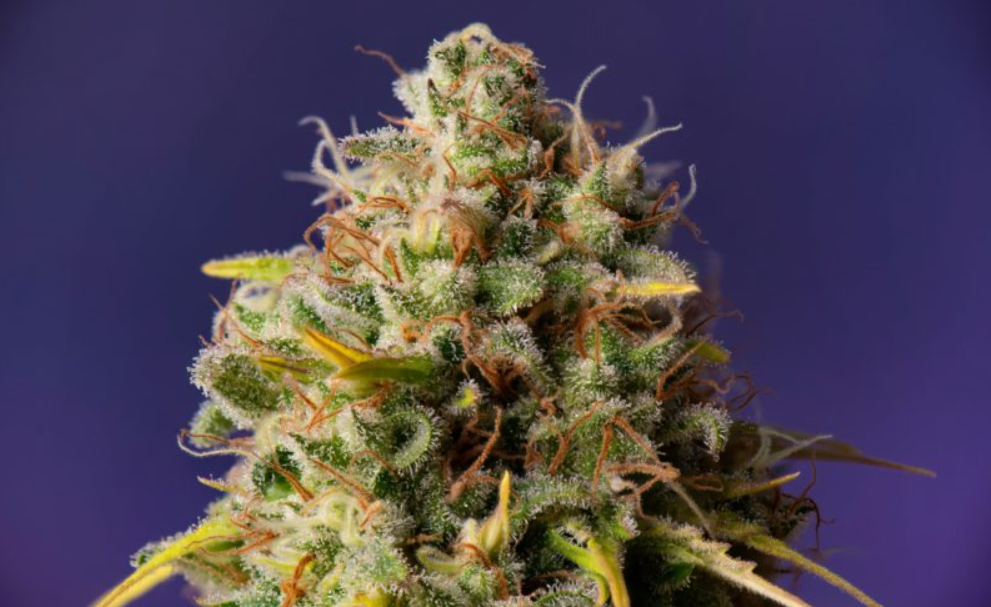
Medical cards will no longer be needed in the state of Virginia, which is expected to help patients in the Commonwealth access cannabis more efficiently.
A week from today, medical cannabis patients in Virginia will no longer need to present a card at a dispensary in order to obtain their prescribed products.
That is thanks to a bill that was signed into law in April that lifted the requirement “for patients to register with the state’s Board of Pharmacy for a license,” according to local news outlet WRIC.
But, per the text of the legislation, the new law still maintains “the requirement that patients obtain written certification from a health care provider for medical cannabis,” while also directing the Board of Pharmacy to “promulgate numerous regulations related to pharmaceutical processors.”
The new law, which officially takes effect on July 1, is aimed at improving the efficiency of the process for patients to obtain medical cannabis in Virginia.
Once it takes effect next week, those patients will be able to obtain their cannabis products from stores as soon as they get a written certificate from a health care provider.
Along with “letting them avoid waiting for a license from the board, a process that can take months, the law will also allow patients to not have to pay a $50 application fee,” WRIC reported.
The measure was signed into law more than two months ago by Virginia Gov. Glenn Youngkin, a Republican serving in his first term.
In addition to removing the registration requirement, the law also “amends the definition of ‘cannabis oil’ by removing the requirement that only oil from industrial hemp be used in the formulation of cannabis oil.”
Cannabis advocates celebrate the bill becoming law in April, saying it will provide a needed remedy for thousands of Virginia medical weed patients. According to WRIC, data from “Virginia’s Board of Pharmacy shows nearly 47,000 total registered patients and thousands of pending applications, a backlog that has forced the board to hire new workers.”
“These legislative improvements will bring great relief to the thousands of Virginians waiting to access the medical cannabis program,” said JM Pedini, NORML’s Development Director and the Executive Director of Virginia NORML. “We hear from dozens of Virginians each week who are struggling with the registration process and frustrated by the 60-day wait to receive their approval from the Board of Pharmacy.”
Virginia’s medical cannabis law began in 2017, although it initially only permitted “patients suffering from intractable epilepsy to use some types of cannabis oil with a doctor’s certification,” according to the Marijuana Policy Project.
The program has since expanded to include other cannabis products such as edibles and bud.
Last year, Virginia went a step further when it legalized recreational cannabis use for adults, becoming the first state in the southern U.S. to do so.
But that law took effect under a Democratic governor and a Democratic-controlled legislature, and it also launched without a regulated market for cannabis sales in place.
As WRIC put it, that meant that “the commonwealth’s medical cannabis program became the only legal market for people.”
Youngkin took office earlier this year, saying that he had no intention of overturning the law that allowed personal possession, but the outlook for retail sales still appears uncertain.
“When it comes to commercialization, I think there is a lot of work to be done. I’m not against it, but there’s a lot of work to be done,” Youngkin said in an interview not long before he took office. “There are some nonstarters, including the forced unionization that’s in the current bill. There have been concerns expressed by law enforcement in how the gap in the laws can actually be enforced. Finally, there’s a real need to make sure that we aren’t promoting an anti-competitive industry. I do understand that there are preferences to make sure that all participants in the industry are qualified to do the industry well.”
Source: https://hightimes.com/news/medical-weed-cards-no-longer-required-in-virginia-starting-july-1/











Haryana News
Haryana Official’s Role Exposed In ₹590 Crore Bank Fraud, Money Traced To SUV Purchase And Family Expenses


Chandigarh: Investigations into the alleged ₹590 crore fraud at the Chandigarh branch of IDFC First Bank have revealed the involvement of a Haryana government official, intensifying scrutiny over the multi-crore financial scandal. Authorities say Naresh Bhuwani, a superintendent in Haryana’s Development and Panchayat Department, may have acted as a conduit between government officials and bank employees implicated in the case. Bhuwani was recently arrested and placed in six days of police custody for questioning.
₹300 Crore Funneled Through Private Company
Preliminary probe findings suggest the fraud involved a complex network moving money through multiple accounts and entities. Approximately ₹300 crore was allegedly routed to Swastik Desh Projects, owned by Swati Singla and her brother Abhishek Singla, who are currently in police remand. Former branch manager Ribhav Rishi and ex-relationship manager Abhay Kumar have also been arrested in connection with the scam.
Luxury Purchases and Personal Expenses Under Investigation
Authorities allege that a portion of the misappropriated funds was used for luxury expenditures, including a high-end SUV and family-related expenses. Digital records indicate that around ₹1.25 crore may have reached an account linked to the Haryana official, though investigators are still verifying the transactions.
The accused allegedly exploited internal banking weaknesses, using forged documents and shell companies to disguise the movement of funds as legitimate transactions. Investigators are examining whether additional collaborators are part of the network.
Tracing the Multi-Layered Financial Trail
The probe has shifted to reconstructing the financial trail and analyzing digital footprints. Authorities are reviewing account activity across multiple banks to uncover the full scope of the fraud. Officials warn that unraveling the network could take time due to deliberate attempts to obscure money flows through complex layers of individuals and corporate entities.
Role of the Haryana Official Under Scrutiny
Bhuwani is being interrogated to determine whether he facilitated communication between government officials and bank staff and whether he benefited financially from the fraudulent operations. Investigators are also examining the utilization of the misappropriated funds, including potential investments and personal expenditures.
Bank Enhances Internal Controls
IDFC First Bank has reportedly intensified internal audits and is exploring technological upgrades to strengthen security frameworks and prevent future fraud. Authorities have indicated that additional arrests may be made as the investigation continues. Documents and digital records remain under detailed review to expose the full network behind the alleged scam.

As cannabis legalization expands across the United States, conversations continue to evolve about how increased access affects public health. A growing body of research now suggests that cannabis dispensaries may have a broader impact on community behavior than previously understood. Beyond simply providing regulated access to cannabis products, these retailers may influence patterns of alcohol use, particularly among adults who live nearby. Recent findings shed light on how shifts in cannabis policy can influence drinking habits and potentially contribute to healthier lifestyle outcomes.
Adults who reside in close proximity to licensed cannabis dispensaries are less likely to engage in binge drinking, according to data published in the American Journal of Preventive Medicine.
Oregon State University researchers assessed the relationship between local retail cannabis access and adults’ use of marijuana and alcohol over eight years.
They reported that proximity to cannabis retailers was associated with increased cannabis use by adults, but not by minors. They also reported that cannabis access was inversely associated with heavy alcohol use by young adults (those ages 21 to 24 years old) and seniors (those ages 65 and older).
“Consistent with substitution, … older adults and young adults showed access-related decreases in binge drinking,” the study’s authors reported.
They added: “Frequent or high-volume alcohol use causes myriad acute and lifelong health risks to drinkers and those around them. Therefore, a relative reduction in older and young adults’ high-risk drinking may be a net positive effect of shifting cannabis policies.”
The study’s conclusions are consistent with data published earlier this year, finding that many adults reduce their alcohol intake following the opening of state-licensed marijuana dispensaries.
These findings contribute to an increasingly nuanced picture of how cannabis dispensaries function within communities. Rather than promoting increased substance misuse, the presence of licensed cannabis retailers may encourage some adults to substitute cannabis for alcohol a shift that could potentially reduce the health risks associated with heavy drinking. While cannabis is not without its own considerations, regulated access may provide adults with an alternative that poses fewer long-term harms compared with chronic alcohol use.
As more states adopt regulated cannabis frameworks, researchers will continue exploring how these changes affect public health, safety, and substance use trends. For now, evidence suggests that cannabis dispensaries may play a surprising role in reducing harmful alcohol consumption among local adult populations. This research offers valuable insight for policymakers, health professionals, and communities navigating the evolving landscape of cannabis legalization.
Business
A Tipping Point for Cannabis: President Trump Champions CBD & Cannabis Science on Truth Social

When the President of the United States shares a video about the life changing potential of hemp derived CBD on his personal social media platform, it is more than news, it is a cultural shift.
For decades our government lied to us about cannabis. It demonized the plant, waged war on its users, and filled prisons while allowing pharmaceutical companies to flood the nation with addictive and deadly drugs. For over a century we have been fighting uphill, not just for legalization, but for truth, for science, and for the right to heal ourselves naturally.
Now in 2025, the most powerful political figure on Earth is using his own voice and platform to talk about the endocannabinoid system and the science backed benefits of CBD. That is monumental. It is validation for everyone who has fought, been arrested, been silenced, and been dismissed for telling this truth. The President’s video post is already being described as a pivotal moment in cannabis history, and President Trump CBD Cannabis Science Truth Social is trending across platforms as advocates celebrate the breakthrough.
The Science Behind the Endocannabinoid System
The video begins by introducing something most people, including many doctors, still know little about, the endocannabinoid system. Discovered in the 1990s, the ECS is a network of receptors and signaling molecules that works as the body’s master regulator, coordinating communication between major systems like the nervous, immune, cardiovascular, and digestive systems.
The roots of this discovery go back much further. CBD was first isolated in 1940 by American chemist Roger Adams, but it was Dr. Raphael Mechoulam, an Israeli organic chemist, who fully elucidated the chemical structure of CBD and identified its stereochemistry in the 1960s. His pioneering work not only opened the door to modern cannabinoid science but also earned him the title “Godfather of Cannabis Research.” It was this foundation that led to the identification of the endocannabinoid system itself decades later, revealing how cannabinoids interact with our physiology on a fundamental level.
The ECS is now widely recognized as a vital part of human biology, with extensive research supported by the National Institutes of Health. When functioning properly, the ECS acts like the conductor of an orchestra, ensuring every section plays in harmony. As we age, the system weakens. That imbalance is linked to inflammation, chronic pain, cognitive decline, sleep problems, and many other conditions associated with aging.
Mainstream medicine often addresses these issues with pharmaceutical band aids, dangerous and addictive drugs that treat symptoms rather than root causes. Lifestyle changes such as diet and exercise help, but they only partially support the ECS and do so slowly over time.
Hemp Derived CBD: A Game Changer for Aging
Here is where the science gets exciting. As the video explains, the ECS can be restored much more quickly with hemp derived CBD. Strengthening this system naturally helps the body regain balance, reducing pain, improving sleep, lowering stress, slowing disease progression, and even extending healthy lifespan.
It is not theoretical. One in five seniors is already using CBD to manage pain, arthritis, cancer symptoms, sleep disorders, Alzheimer’s, and more. Despite decades of research and acknowledgment from institutions like the National Institutes of Health, most physicians receive no training on the ECS. There are still no FDA standards for CBD products on the market. If that were the case for any other class of medicine, it would be considered malpractice.
The World Health Organization has confirmed CBD’s excellent safety profile and non addictive nature in its critical review report. The result is that millions of older Americans are suffering unnecessarily when a safe and natural solution exists.
Hemp derived CBD is a powerful first step in restoring balance to the endocannabinoid system, but it is only part of the picture. Research shows that full spectrum cannabis extracts, which include a broader range of cannabinoids and terpenes, can work even more effectively. Complete concentrated cannabis oil, containing the full spectrum of natural endocannabinoids, may deliver the most profound results for certain patients. Expanding access to these therapies will be essential if we want to unlock the full healing potential of this plant.
The Economic and Social Impact
The video cites a powerful figure. A PricewaterhouseCoopers analysis estimates that fully integrating cannabis into the healthcare system could save the United States nearly 64 billion dollars annually. These savings reflect reduced pharmaceutical dependency, fewer hospitalizations, improved chronic disease outcomes, and enhanced quality of life for aging Americans. You can read more about PwC’s research on healthcare innovation here.
It is a financial argument, but it is also a moral one. Why should our elders endure pain, anxiety, and cognitive decline when nature has given us tools to help them live longer, happier, and healthier lives?
A Call to Action: Finish What the Farm Bill Started
The message concludes by crediting the 2018 Farm Bill, championed by President Trump, for legalizing hemp and laying the groundwork for today’s CBD market. The Farm Bill was just the first step.
Now the call is for bold next moves.
- Educate doctors about the endocannabinoid system
- Include CBD under Medicare coverage
- Provide clear federal standards for CBD quality and dosing
These steps would constitute the most significant senior health reform in modern history, one that would transform aging and cement a powerful legacy for any administration that makes it happen.
What This Means for Future Cannabis Medicine
For those of us who have been in the cannabis community for decades, this is not just another news story. It is a signal that our movement is winning. A conversation that was once criminalized and censored is now being amplified by the President of the United States on his own platform.
It means the science is undeniable. It means the truth can no longer be buried. It means the wall of prohibition is cracking, not just legally, but culturally, scientifically, and politically.
It also means that everything we have been fighting for at 420 Magazine since 1993, education, access, healing, and justice, is finally moving full steam ahead. The President Trump CBD Cannabis Science Truth Social moment is proof that science and policy are finally converging.
-
 Business3 years ago
Pot Odor Does Not Justify Probable Cause for Vehicle Searches, Minnesota Court Affirms
-

 Business3 years ago
New Mexico cannabis operator fined, loses license for alleged BioTrack fraud
-
 Business3 years ago
Alabama to make another attempt Dec. 1 to award medical cannabis licenses
-
 Business3 years ago
Washington State Pays Out $9.4 Million in Refunds Relating to Drug Convictions
-
 Business3 years ago
Marijuana companies suing US attorney general in federal prohibition challenge
-

 Business3 years ago
Legal Marijuana Handed A Nothing Burger From NY State
-

 Business3 years ago
Can Cannabis Help Seasonal Depression
-

 Blogs3 years ago
Cannabis Art Is Flourishing On Etsy