
Consumer Alerts,
LPG Shortage Rumours Fuel Cyber Fraud: Fake Links Target Banking Information

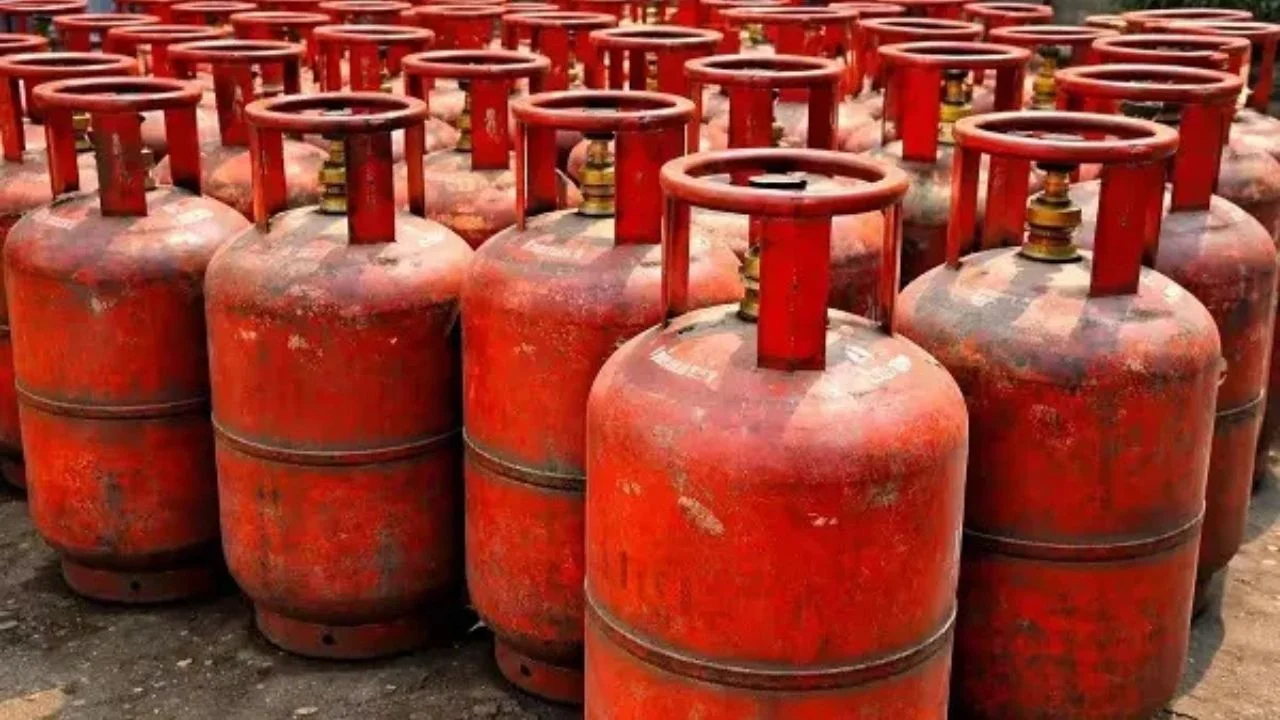
New Delhi, March 16, 2026 – Amid viral rumours about a potential LPG cylinder shortage, cybercriminals are exploiting public panic with fraudulent messages urging immediate bookings. Cybersecurity experts warn that these messages, circulating via WhatsApp, Telegram, SMS, and email, may be scams designed to steal personal and banking information.
The messages often claim that consumers must register or book cylinders urgently to avoid disruption. They include links promising instant booking or subsidy registration, which can redirect users to fake websites mimicking official portals of gas distributors or government agencies.
How the Scam Works
Once a victim clicks a fraudulent link, they may be prompted to enter sensitive details such as mobile numbers, LPG connection numbers, bank account credentials, debit card information, or one-time passwords (OTPs). Cybercriminals can then use this data to access bank accounts or install malware that monitors device activity, capturing further financial information. Several reports indicate money has been withdrawn from accounts within minutes of victims submitting details.
Experts note that such scams thrive on urgency and fear. “Fraudsters exploit ongoing crises or viral rumours to manipulate people into acting quickly without verifying authenticity,” says Prof. Triveni Singh, cybercrime expert and former IPS officer. Social engineering techniques are central to these attacks, creating a false sense of emergency that pressures individuals into sharing confidential information.
Safeguarding Against Fraud
Cybersecurity specialists recommend booking LPG cylinders exclusively through verified company websites, official mobile applications, or authorized agencies. Users should never click unknown links or provide OTPs, banking information, or personal details in response to unsolicited messages.
In cases where personal information may have been shared inadvertently, victims are advised to immediately contact their bank and report the incident to the National Cyber Crime Helpline at 1930. Additionally, forwarding warnings to family and acquaintances can help prevent further circulation of fraudulent links.
Experts stress that vigilance and verification remain the strongest defenses against digital scams. Before responding to any online message, users should confirm its legitimacy through official sources to avoid falling victim to cyber fraud.

A recent technical error at Bank of Baroda has caused several home loan EMIs (Equated Monthly Instalments) to be calculated incorrectly, resulting in inflated deductions from customer accounts. The incident has raised alarm among borrowers, particularly concerning the potential impact on credit scores and overall financial records.
Unexpected EMI Hikes Create Financial Pressure
In March 2026, many Bank of Baroda customers reported EMI deductions that far exceeded their scheduled amounts. Preliminary investigations suggest the issue originated from a glitch in the bank’s loan processing system, affecting automated EMI calculations.
Borrowers face a dual challenge: the immediate financial strain of overpayment and the risk of negative marks on their credit reports. Credit bureaus rely heavily on timely repayment data, and discrepancies—even when caused by system errors—can trigger score reductions or flags for irregular activity.
Bank Responds with Corrective Measures
Bank of Baroda has acknowledged the malfunction and is working to rectify affected loan accounts. While precise details regarding reimbursement and credit score restoration remain unclear, the bank has assured customers that corrections will be implemented.
Nevertheless, the uncertainty over automatic credit score updates has left some borrowers anxious about potential long-term consequences.
Automated Systems Highlight Broader Vulnerabilities
This incident underscores a wider concern regarding automated lending infrastructure. EMI computations are sensitive to small errors, as they involve precise formulas accounting for principal, interest rate, and tenure. Even minor system malfunctions can cascade into financial inconsistencies, causing disputes and reputational risks for banks.
Steps for Affected Borrowers
Financial experts recommend that customers who notice irregular EMIs:
- Review loan statements and EMI deductions promptly
- Submit formal complaints to the bank
- Monitor credit reports for inconsistencies
- Request corrections from credit bureaus if necessary
Maintaining records of overpayments and communication with the bank is also advised for future claims or dispute resolution.
Regulatory Implications
The EMI glitch may attract attention from regulatory authorities, highlighting the importance of robust safeguards in digital banking. As India’s financial sector becomes increasingly reliant on automated systems, ensuring accuracy and accountability is essential to protect consumers and maintain trust in the banking ecosystem.
-

 Business3 years ago
Pot Odor Does Not Justify Probable Cause for Vehicle Searches, Minnesota Court Affirms
-

 Business3 years ago
New Mexico cannabis operator fined, loses license for alleged BioTrack fraud
-

 Business3 years ago
Alabama to make another attempt Dec. 1 to award medical cannabis licenses
-

 Business3 years ago
Washington State Pays Out $9.4 Million in Refunds Relating to Drug Convictions
-

 Business3 years ago
Marijuana companies suing US attorney general in federal prohibition challenge
-

 Business3 years ago
Legal Marijuana Handed A Nothing Burger From NY State
-

 Business3 years ago
Can Cannabis Help Seasonal Depression
-

 Blogs3 years ago
Cannabis Art Is Flourishing On Etsy