
Court Proceedings
Karnataka High Court Considers Nawaz’s Petition Against Alleged Online Defamation

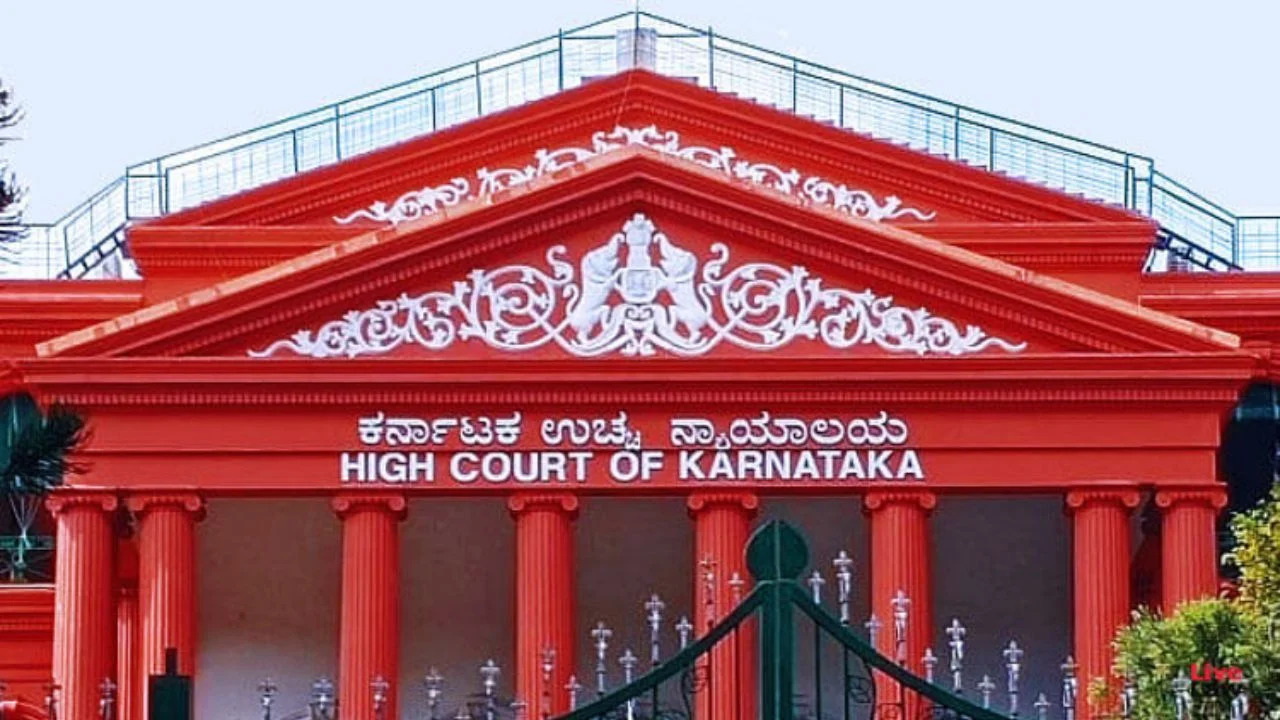
A legal debate over jurisdiction and online defamation unfolded in the Karnataka High Court as Justice A.H.M.D. Nawaz, a sitting judge of the Supreme Court of Sri Lanka, filed a petition seeking removal of allegedly defamatory content published online. The court also examined the role of Google and the Indian government in addressing the matter.
Petition Seeks Removal of Online Content
Justice Nawaz has requested that links and search results containing purportedly false or damaging allegations about him be blocked or removed from online platforms accessible in India. The petitioner argued that the content, while originating outside India, is available within the country and impacts his reputation.
Jurisdictional Challenge by Google and the Union Government
Counsel for Google questioned whether the Karnataka High Court has the authority to hear a case involving a foreign judge and content allegedly published outside India. Google emphasized that granting relief in such cases could create precedent for litigants worldwide to approach Indian courts, potentially overburdening the judiciary.
Similarly, the Union Ministry of Electronics and Information Technology raised objections, noting that the petitioner had not demonstrated why the Karnataka High Court is the appropriate forum.
Petitioner Invokes Right to Remedy
Justice Nawaz’s counsel argued that Article 14 of the Indian Constitution, which guarantees equality before the law, extends to non-citizens and allows anyone affected by defamatory material accessible in India to seek judicial relief. The legal team also asserted that online platforms like Google could be held responsible if they fail to act after being notified of harmful content.
The petitioner’s counsel highlighted that the journalists responsible for the disputed publications have relocated to countries including the United Kingdom, and that continued circulation of such material could amount to reputational harm or contempt of court.
Court Directs Corrections and Adjourns Case
A single-judge bench of Justice Sachin Shanker Magadum adjourned the matter for further consideration, instructing the petitioner’s counsel to correct technical errors in the summons to Google. The court also ordered Google India to be removed from the list of respondents. The case is now scheduled for a preliminary hearing on April 6, 2026.
Justice Nawaz cited ethical concerns for not filing the petition in Sri Lanka, explaining that domestic proceedings could raise questions of impartiality due to his position as a sitting Supreme Court judge.
The upcoming hearing will focus on whether an Indian court can entertain petitions filed by foreign nationals against online content and the circumstances under which intermediaries and platforms may be directed to remove allegedly defamatory material.


-

 Business3 years ago
Pot Odor Does Not Justify Probable Cause for Vehicle Searches, Minnesota Court Affirms
-

 Business3 years ago
New Mexico cannabis operator fined, loses license for alleged BioTrack fraud
-

 Business3 years ago
Alabama to make another attempt Dec. 1 to award medical cannabis licenses
-

 Business3 years ago
Washington State Pays Out $9.4 Million in Refunds Relating to Drug Convictions
-

 Business3 years ago
Marijuana companies suing US attorney general in federal prohibition challenge
-

 Business3 years ago
Legal Marijuana Handed A Nothing Burger From NY State
-

 Business3 years ago
Can Cannabis Help Seasonal Depression
-

 Blogs3 years ago
Cannabis Art Is Flourishing On Etsy