
Geopolitics
‘Just A junta With Nuclear Weapons’: Bush–Putin Discussions On Pakistan In 2005 Revealed Through NSA Documents


Newly declassified U.S. intelligence records have shed light on unusually frank discussions between former U.S. President George W. Bush and Russian President Vladimir Putin regarding Pakistan’s nuclear program, revealing deep-seated concerns at the highest levels of global leadership more than two decades ago.
The documents, released by the National Security Archive following litigation under the U.S. Freedom of Information Act, include transcripts of meetings and phone calls between Bush and Putin from 2001 to 2008. Among the most striking disclosures is Putin’s blunt characterization of Pakistan in 2005 as “a junta with nuclear weapons,” a remark that Bush reportedly did not dispute.
Long-Standing Global Security Concerns
The records show that both leaders viewed Pakistan’s nuclear capabilities not merely as a regional issue, but as a serious international security risk. Their discussions focused on nuclear command and control, proliferation threats, and Islamabad’s alleged connections to the transfer of nuclear materials and expertise to countries such as Iran and North Korea.
During a 2005 Oval Office meeting, Putin told Bush that intelligence findings suggested uranium of Pakistani origin had been detected in Iranian centrifuges. He warned that cooperation between Iran and Pakistan appeared to persist, raising alarms about the spread of sensitive nuclear technology.
Bush responded by referencing his direct engagement with then Pakistani President Pervez Musharraf, noting that Washington had pressed Islamabad for explanations regarding possible nuclear leakage. Both leaders reportedly agreed that any undeclared transfer of nuclear material would represent a serious violation of International Atomic Energy Agency safeguards.
Focus on the A.Q. Khan Network
A significant portion of the discussions centered on Abdul Qadeer Khan, the architect of Pakistan’s nuclear program whose clandestine proliferation network was exposed in the early 2000s. Bush informed Putin that Khan had been placed under detention and that several associates were under house arrest, but acknowledged that the full extent of the network’s activities remained unclear.
Putin reiterated his concern that evidence pointed to Pakistani-origin nuclear material appearing in Iran, reinforcing fears that the Khan network’s reach was broader and more damaging than initially acknowledged.
Earlier Warnings Resurface
The declassified files also revisit an earlier exchange between Bush and Putin during a 2001 meeting in Slovenia. At the time, Putin questioned why Western governments were reluctant to criticize Pakistan despite its military rule and possession of nuclear weapons.
He reportedly expressed unease over what he saw as a double standard, highlighting that Pakistan’s nuclear decision-making was firmly under military control rather than democratic oversight.
Renewed Relevance Amid Current Tensions
Analysts say the disclosures confirm long-standing international skepticism about Pakistan’s nuclear governance and transparency. Subsequent investigations have established that the A.Q. Khan network supplied nuclear technology to Iran, North Korea and Libya, lending credibility to the concerns voiced privately by Bush and Putin.
The timing of the document release has added to its impact. In recent months, India has once again raised questions about Pakistan’s nuclear conduct in international forums, following allegations by U.S. President Donald Trump that Islamabad may have engaged in covert nuclear testing.
India’s Ministry of External Affairs responded by pointing to Pakistan’s historical record of illicit nuclear activity, citing decades of smuggling, export-control violations and secret proliferation networks.
Enduring Questions
While the conversations took place in 2005, experts note that many of the underlying issues remain unresolved. Nuclear proliferation, regional instability and the credibility of international monitoring mechanisms continue to challenge global security frameworks.
The candid exchanges between Bush and Putin, now part of the public record, offer a rare glimpse into how major powers privately assessed Pakistan’s nuclear posture — assessments that continue to resonate in today’s geopolitical climate.

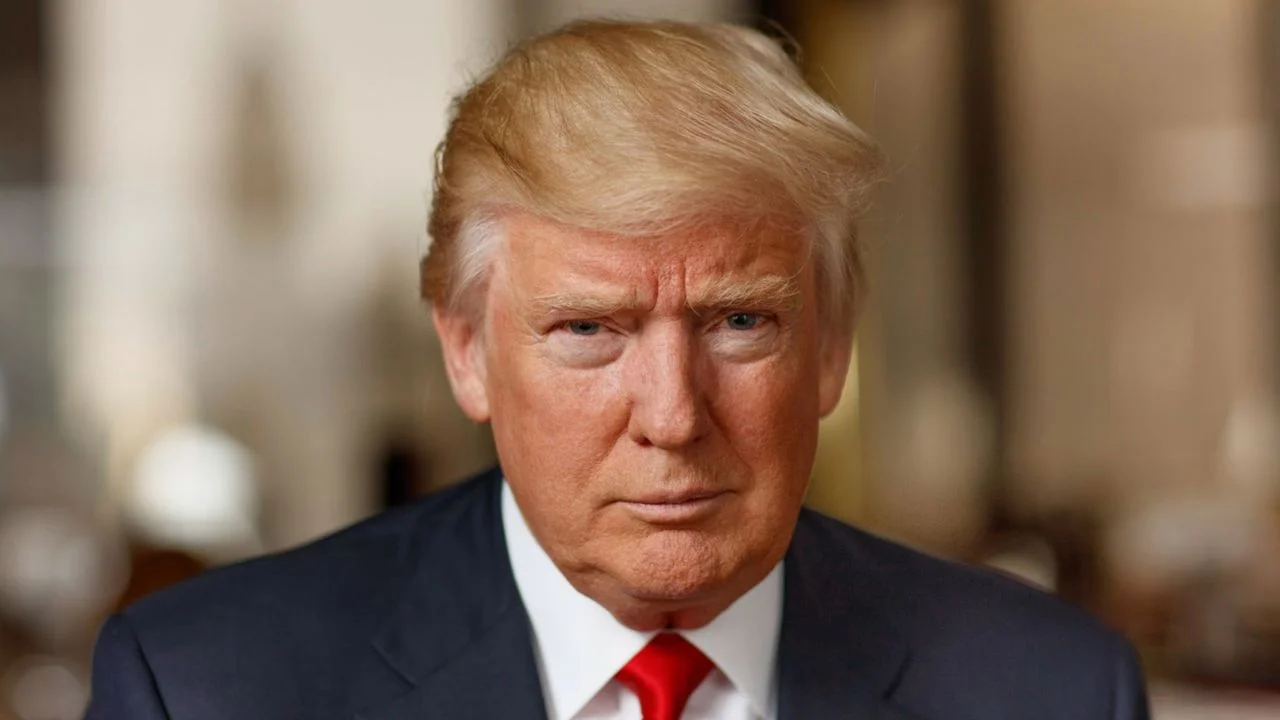
Renewed warnings from US President Donald Trump about potential military action against Iran have reignited geopolitical tensions in West Asia, prompting India to closely assess the possible economic and strategic repercussions. While India’s direct trade links with Iran are modest, experts caution that any escalation could carry indirect but far-reaching consequences through energy markets, supply chains, and regional stability.
The latest standoff follows sharp statements from Washington pressing Tehran to re-enter nuclear negotiations, coupled with threats that any future military action would be severe. Iran has rejected talks conducted under pressure and warned that an attack would be considered an act of war, heightening concerns of a wider regional conflict.
Limited Direct Trade, Larger Indirect Risks
India’s immediate exposure to Iran through trade remains small. Official figures show that exports to Iran account for about 0.3% of India’s total outbound shipments, while imports are below 0.1%. Basmati rice dominates exports, making up more than 60% of shipments, followed by tea and other agricultural goods. Imports primarily consist of fruits, nuts, and a small volume of crude-linked products.
However, analysts stress that the real risks lie beyond headline trade numbers. In January, the US administration announced a 25% tariff on goods from countries continuing trade with Iran. While India’s exposure is limited, such measures could still intensify competitive pressures for certain exporters and complicate payment and logistics cycles.
Credit experts note that basmati rice exports are relatively resilient due to steady demand, but prolonged instability could disrupt shipping routes and strain working capital for exporters. On the import side, items such as dry fruits are largely substitutable if supply chains are disrupted.
Energy Markets Remain the Biggest Concern
The most significant risk for India stems from global oil markets. Iran accounts for roughly 4–5% of global crude oil supply, and although India has stopped importing Iranian oil, it remains highly vulnerable to global price movements. Any disruption to oil flows — particularly through the Strait of Hormuz, a critical shipping corridor — could trigger sharp increases in crude prices.
Recent market reactions to rising tensions have already highlighted this sensitivity, with oil prices briefly spiking before stabilising. Analysts warn that sustained price increases would affect a wide range of sectors, including oil refining, aviation, petrochemicals, paints, specialty chemicals, packaging, and synthetic textiles, depending on companies’ ability to pass on higher costs.
Strategic and Diplomatic Implications
Beyond economics, India’s strategic interests in Iran are also under scrutiny. The Chabahar port project, a cornerstone of India’s regional connectivity strategy, provides access to Afghanistan and Central Asia while bypassing Pakistan. New Delhi has been seeking limited sanctions waivers from Washington to continue its involvement, but renewed pressure on Tehran could complicate these efforts.
A broader conflict would also test India’s diplomatic balancing act between the United States and Iran. New Delhi has traditionally pursued cautious engagement with both sides, aiming to protect its strategic autonomy while maintaining key partnerships. Any escalation could additionally raise concerns about the safety of millions of Indian nationals working across the Gulf region.
Watchful Waiting, With Contingency Planning
Ratings agencies have so far indicated that the current tensions have not materially affected Indian corporate credit profiles or trade flows. However, they caution that a sharper escalation — especially involving maritime disruptions or sustained oil price shocks — could quickly alter this outlook.
Policy analysts say India’s reduced dependence on Iran compared to the past offers some insulation, but not complete protection. Given the globalised nature of energy markets and supply chains, shocks in West Asia inevitably feed into domestic inflation, fiscal pressures, and growth prospects.
For now, New Delhi is monitoring developments closely, engaging diplomatically where possible, and preparing contingency assessments. The episode underscores a familiar reality for an import-dependent economy: even limited direct exposure cannot fully shield it from the ripple effects of global geopolitical conflict.
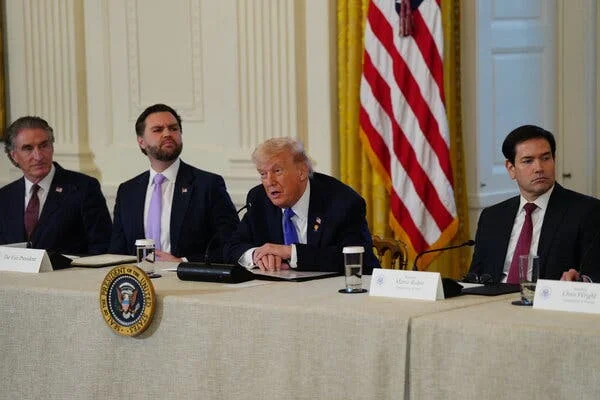
Former US President Donald Trump has once again thrust Greenland into the global geopolitical spotlight, warning that the United States would be prepared to “take action” to prevent Russia or China from expanding their influence over the Arctic island. Calling Greenland vital to American national security, Trump suggested that Washington could not remain passive—even if such moves faced opposition from Denmark.
Speaking to reporters, Trump said Greenland’s strategic position and growing economic value made it too important to ignore. He argued that failure to act could allow rival powers to gain a foothold dangerously close to the United States. While he said diplomacy would be preferable, Trump made it clear that tougher measures remained on the table if needed.
The remarks revive controversy from Trump’s time in office, when he openly floated the idea of acquiring Greenland—an idea swiftly rejected by Denmark and criticized across Europe.
Why Greenland Has Become Strategically Crucial
Greenland, an autonomous territory within the Kingdom of Denmark, occupies a commanding position in the Arctic. As rising temperatures reduce ice cover, new shipping routes and access to untapped natural resources, including rare earth minerals, are becoming increasingly viable.
The United States already maintains a significant military footprint on the island through Pituffik Space Base (formerly Thule Air Base), a critical hub for missile defense and Arctic surveillance. Security experts note that control and access in the Arctic are becoming central to future military and economic planning.
Trump questioned the permanence of historical sovereignty claims, arguing that strategic realities must take precedence in a rapidly changing world. Analysts say his comments reflect broader US concerns about Russia’s expanding Arctic military infrastructure and China’s growing scientific and commercial ambitions in polar regions.
Denmark and Europe Reject the Rhetoric
Denmark responded firmly, reiterating that Greenland is not for sale and that its future must be decided in accordance with international law and democratic principles. Danish Prime Minister Mette Frederiksen warned that confrontational language could damage European security and strain transatlantic relations.
European officials echoed these concerns, emphasizing that the Arctic has long been governed through cooperation and multilateral frameworks. Any unilateral action, they cautioned, risks destabilizing a region already under pressure from climate change and emerging security rivalries.
Greenland’s Own Perspective
Leaders in Greenland stressed that decisions about the island’s future belong to its people. While Greenland has steadily expanded its self-governance—particularly over natural resources—it still relies on Denmark for defense and foreign affairs.
Local authorities have generally welcomed US investment and security cooperation but have strongly opposed any suggestion of coercion or loss of autonomy. Greenlandic officials have repeatedly stated that engagement must respect their identity, rights, and long-term development goals.
NATO and Alliance Tensions
Trump’s warning has also raised questions within NATO, of which both the United States and Denmark are members. Security analysts caution that internal disagreements over Greenland could complicate alliance unity at a time when NATO faces heightened pressure from Russia and growing concern over China’s global reach.
Greenland’s location places it at the intersection of climate change, defense strategy, and great-power competition—making it a sensitive flashpoint with implications far beyond the Arctic.
A Debate That Is Far From Settled
Although Trump is no longer in office, his remarks have reignited an already delicate debate about Arctic sovereignty and security. Observers note that statements from influential political figures can still shape diplomatic calculations, particularly as competition intensifies in the far north.
For now, Denmark and its European partners are calling for restraint and dialogue. But with Greenland’s strategic importance only increasing, the island is set to remain a focal point of global power politics for years to come.
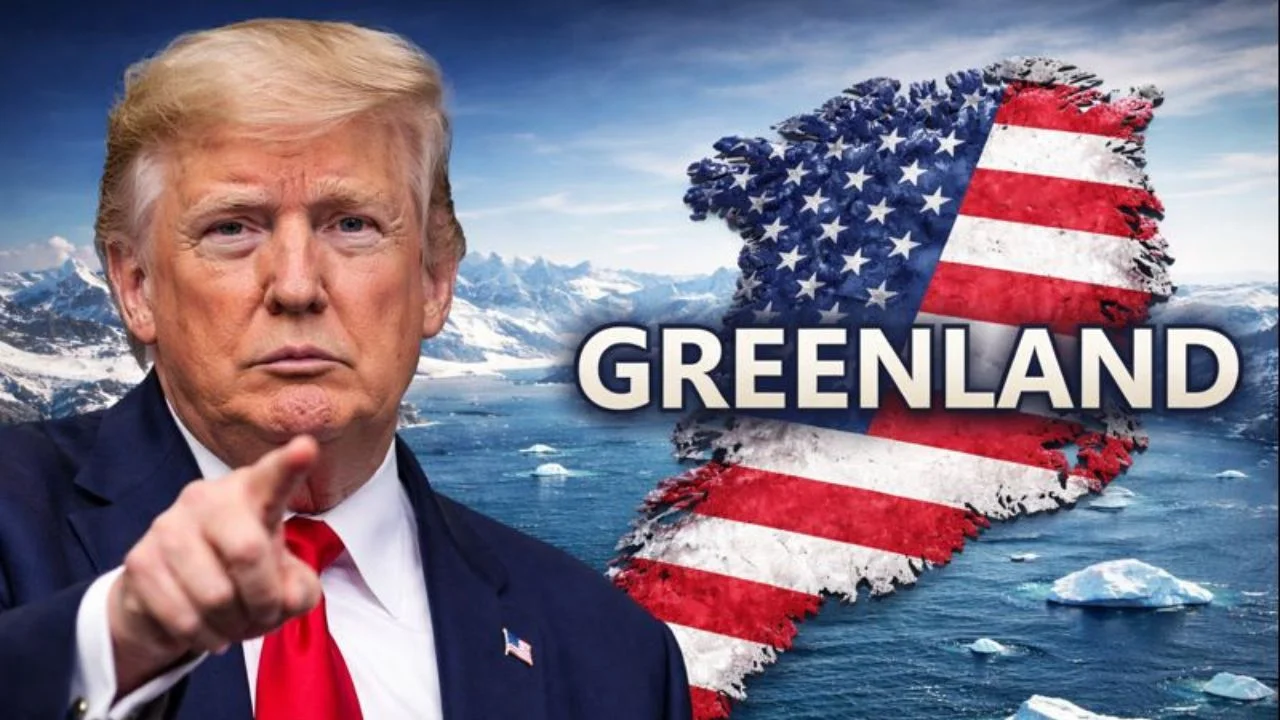
U.S. President Donald Trump has once again suggested that the United States should annex Greenland, citing the Arctic territory’s strategic importance for national security and its wealth of resources crucial to future industries. The proposal has drawn immediate pushback from Greenlandic and Danish authorities.
Trump Reiterates Annexation Idea
Speaking to reporters, Trump stated the U.S. “needs Greenland from the standpoint of national security,” echoing comments he has made in previous years about bringing the semi-autonomous Danish territory under American control.
Pushback from Greenland and Denmark
- Greenland: Prime Minister Jens Frederik Nielsen called the idea a “fantasy” and stressed that discussions must respect international law and Greenlandic sovereignty.
- Denmark: Prime Minister Mette Frederiksen emphasized that Greenland, as part of the Danish kingdom, cannot be annexed. Denmark and Greenland fall under NATO protection, and the U.S. already has access to military installations through existing defense agreements.
The situation was further inflamed when Katie Miller, wife of Trump aide Stephen Miller, posted an image on social media showing Greenland with a U.S. flag and the caption “SOON,” prompting a diplomatic reminder from Denmark’s ambassador in Washington to respect territorial integrity.
Strategic Importance of Greenland
Greenland, home to about 57,000 people, is a key location for U.S. Arctic strategy:
- Hosts critical military installations
- Lies along important Arctic shipping lanes and energy routes
- Contains mineral deposits vital to high-tech industries
Trump and his supporters argue that these factors make Greenland a “natural extension” of U.S. security and industrial interests.
Independence vs. Annexation
- Many Greenlanders support gradual independence from Denmark but strongly oppose joining the United States.
- Concerns include cultural survival, environmental security, and control over natural resources.
Geopolitical Context
Trump’s renewed rhetoric comes amid rising global tensions, including U.S. military actions in Venezuela and comments about American control over its oil sector. These developments have heightened Danish and Greenlandic concerns about potential coercive pressure to secure U.S. Arctic ambitions.
Denmark maintains that Greenland remains Danish territory, with any future governance or independence decisions to be made by Greenlanders themselves.
-

 Business3 years ago
Pot Odor Does Not Justify Probable Cause for Vehicle Searches, Minnesota Court Affirms
-

 Business3 years ago
New Mexico cannabis operator fined, loses license for alleged BioTrack fraud
-

 Business3 years ago
Alabama to make another attempt Dec. 1 to award medical cannabis licenses
-

 Business3 years ago
Washington State Pays Out $9.4 Million in Refunds Relating to Drug Convictions
-

 Business3 years ago
Marijuana companies suing US attorney general in federal prohibition challenge
-

 Business3 years ago
Legal Marijuana Handed A Nothing Burger From NY State
-

 Business3 years ago
Can Cannabis Help Seasonal Depression
-

 Blogs3 years ago
Cannabis Art Is Flourishing On Etsy