
Government
Is North Carolina Poised to Be the Next State to Legalize Medical Cannabis?

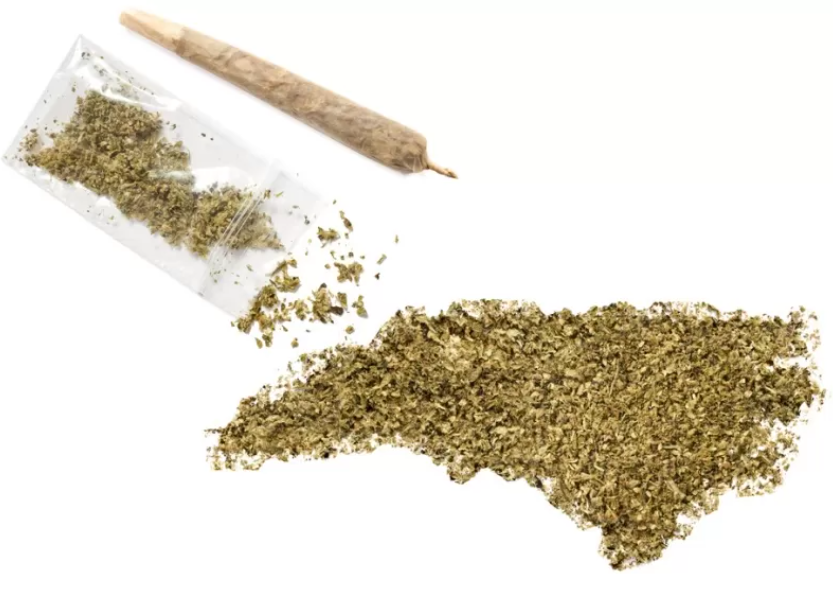
For those who do not know this is 2022, the year of cannabis. The world of cannabis has never seen a better time in terms of legalization as open markets are being set up in different regions. North Carolina looks set to be the next in the line of states in the United States approving medical marijuana. The Senate of the state just gave the first approval to legalize medical marijuana in the state. This is good news for residents of the state and cannabis enthusiasts everywhere.
Read on as we take a closer look at the cannabis industry scene in the region, what we should expect from the bill and what it can accomplish in the state.
The journey of the bill in the house so far
As stated earlier, the North Carolina Senate has just given first-stage approval for a bill to legalize medical marijuana in the state. This came just a day after the bill cleared a major committee of the Senate chaired by Sen. Bill Rabon (R) who also doubles as the sponsor of the bill. On getting to the chamber, the bill got immense support on the second reading as 35 voted in favor against 10 who opposed.
The sponsor of the bill said on the floor of the Senate before the vote that this bill will aid many people at the end of their life which is a time when they need compassion. He believes medical cannabis can help people in the few days or whatever time they have left to be as comfortable as they can be. These views were very personal to the senator who is also a survivor of cancer and can relate to medical patients needing comfort.
The bill is called the NC Compassionate Care Act and it has already cleared three different panels in 2021. Senator Rabon believes it is the duty of lawmakers to rubberstamp the bill and ensure it helps those in need. The bill only needs another vote of validation next week which will see it be sent formally to the House of Representatives for proper consideration.
What will the bill accomplish?
When such bills surface, what the people want to know is what the bill will accomplish when passed. Well, the NC Compassionate Care Act much like other medical marijuana bills in other states will help many patients with debilitating health conditions. It also addresses the number of cannabis patients will be allowed to purchase as well as other issues such as cultivation and cannabis-infused product.
Here is the major targets points of the NC Compassionate Care Act as amended:
- Access to cannabis will be granted to patients who have debilitating health conditions which include epilepsy, HIV/AIDS, multiple sclerosis, Parkinson’s disease, cancer, and post-traumatic stress disorder.
- Patients with terminal illnesses and less than 6 months to live and those requiring hospice care are also added to the list as amended by the Senate Judiciary Committee.
- Home cultivation of cannabis is completely prohibited but patients are allowed to have up to one and a half-ounce of cannabis.
- The bill also saw the definition of “cannabis-infused” product change to the more recent version. This version sees the cannabis-infused product as a tablet, capsule, concentrated oil, suspension, preparation, resin or wax”.
- Vaping and smoking cannabis are allowed. Doctors are however required to prescribe a specific mode of use and dose for patients under the amended legislation.
- Eligibility of patients will be assessed and evaluated for the program minimum of once a year.
- A Compassionate Use Advisory Board will be set up to add new medical conditions to qualify patients.
- A Medical Cannabis Production Commission will also be created to ensure an adequate supply of cannabis for patients. The committee will also be saddled with the responsibility of generating revenue to oversee the program and issue licenses.
- A North Carolina Cannabis Research Program will be established to undertake objective, scientific research on the administration of cannabis and cannabis-infused products.
- The amended bill also offers further protection for patients as agents of the state are required to handle cannabis as a prescribed controlled substance for qualified patients.
- Limitations of the bill include where marijuana can be smoked, the operating hours of medical cannabis businesses, the location of the businesses, and the number of certifications a physician can give per time.
These are only some of the present revisions of the bill and many advocates are still hoping and pushing for expansion of the program towards ensuring social equity.
Senator Rabon was the first to offer an amendment to the bill on the floor of the Senate before voting on Thursday. A significant change offered was to allow 10 licensed marijuana suppliers to operate up to 8 dispensaries. This is an upgrade to the maximum of four dispensaries that was on the cards in other versions of the bill. The changes offered also clarified other issues around fees, reporting requirements, conflicting interests for physicians, and other technical corrections.
Beyond the NC Compassionate Care Act
While many are still waiting for the medical ship for the marijuana bill to come to life, others are already looking beyond. A poll done by the Carolina Partnership for Reform shows that 82 percent of voters in North Carolina want the legalization of medical marijuana in the state. This composition also includes 86 percent of Democrats and 75 percent of Republicans. Surprisingly, 60 percent of the voters also back the legalization of recreational use of cannabis in the state.
These present figures are an improvement from the results of the same question when asked earlier in the year. Presently, three in four persons in the state believe patients should have access to medical marijuana as needed. This creates an ideal situation to see proper incorporation of medical marijuana in the state. For now, all that can be done is to wait to see the outcome of the final vote on the bill in the Senate after which other needed acts will follow.










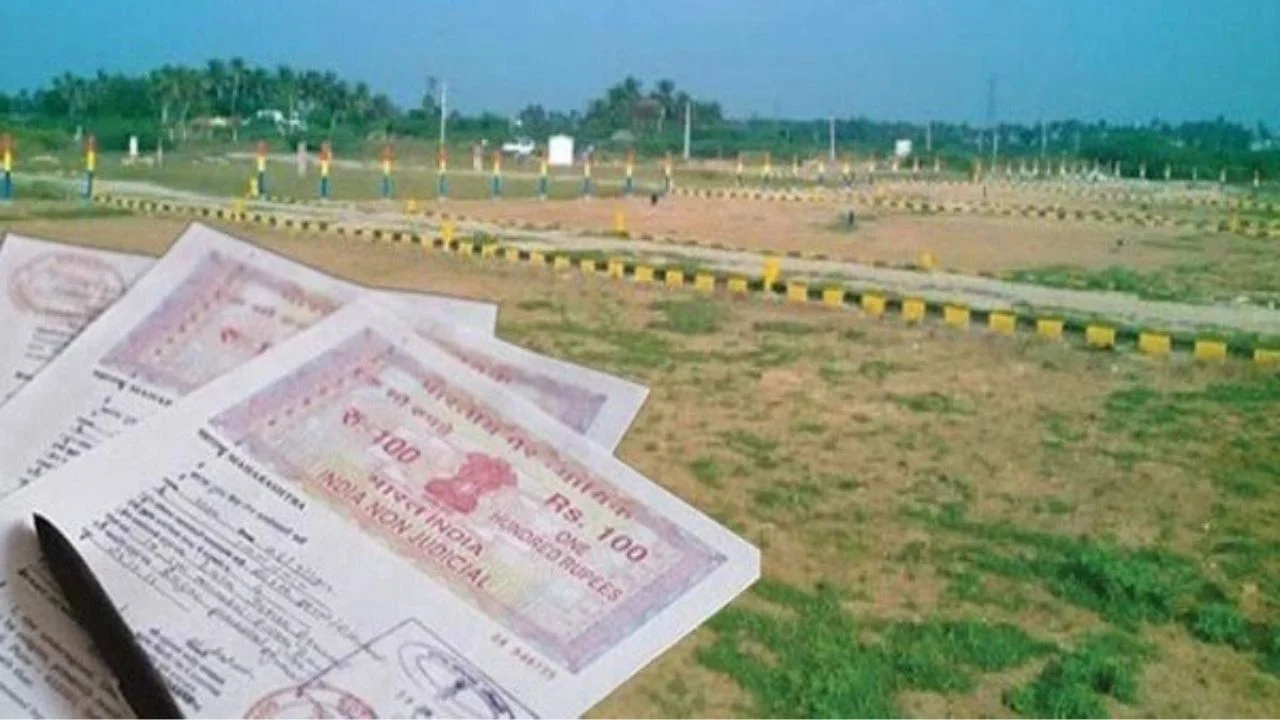
The Sambhal district administration has cancelled four government land leases issued more than three decades ago after an official investigation found alleged irregularities in the classification and allotment of Ganga river land.
The action follows an inquiry that concluded approximately 31 bigha of land in Surpur village of Gunnour tehsil was leased after its original revenue classification was allegedly altered, allowing land categorized as riverbed to be treated as agricultural property.
Inquiry Reveals Alleged Record Manipulation
The decision was taken by the Additional District Magistrate (ADM) based on an investigation conducted by the Sub-Divisional Magistrate (SDM), Gunnour.
Officials found that while the current revenue records listed the land as transferable agricultural property, older consolidation documents identified it as Category-6(1) submerged river land, making it ineligible for such allotments.
Following the findings, the administration ordered the cancellation of all four leases and directed revenue officials to restore the land’s original classification in official records.
Leases Issued in 1991 Declared Invalid
According to the inquiry, the disputed leases were granted on November 17, 1991, in the names of Shrinivas, Sher Singh, Shakuntala, residents of Surpur village, and Prakash Chandra of Patei Kayasth village.
Authorities stated that the allotments did not comply with the provisions of Section 128 of the Uttar Pradesh Revenue Code, 2006, prompting their cancellation.
Officials said corrective entries are now being made in the revenue records to reflect the land’s original legal status.
Wider Probe Into Ganga Riverbank Land Allotments
The latest action is part of a broader investigation into alleged irregularities involving government land located along the Ganga riverbank in Sambhal district.
Earlier investigations uncovered suspected illegal allotments involving nearly 845 bigha of government land in Sukhailla village under Gram Panchayat Asadpur, where 162 leases are also under scrutiny.
Investigators believe a similar pattern may have been followed in multiple cases, with riverbed land allegedly reclassified as agricultural land before being leased to individuals.
Field inspections reportedly found that much of the land was unsuitable for conventional farming and was instead being used for activities such as sand mining.
Government Land Worth ₹18 Crore Under Review
District officials estimate that approximately 850 bigha (around 71.5 hectares) of government land, valued at nearly ₹18 crore, is currently under investigation.
Authorities have launched a comprehensive review of historical land leases issued across villages situated along the Ganga river in the Rajpura, Gunnour, and Junawai blocks.
The objective is to determine which allotments were made legally and identify cases where land records may have been manipulated.
Officials’ Role Also Being Examined
The investigation has also raised questions about the possible involvement or negligence of officials from the revenue and consolidation departments.
District authorities said responsibility will be fixed after the inquiry is completed, and legal or departmental action will be taken against anyone found to have violated land allotment rules.
Officials indicated that the ongoing review could reveal additional cases involving unauthorized occupation or irregular leasing of government land.
The administration has reiterated its commitment to restoring government property and ensuring transparency in land management across the district.
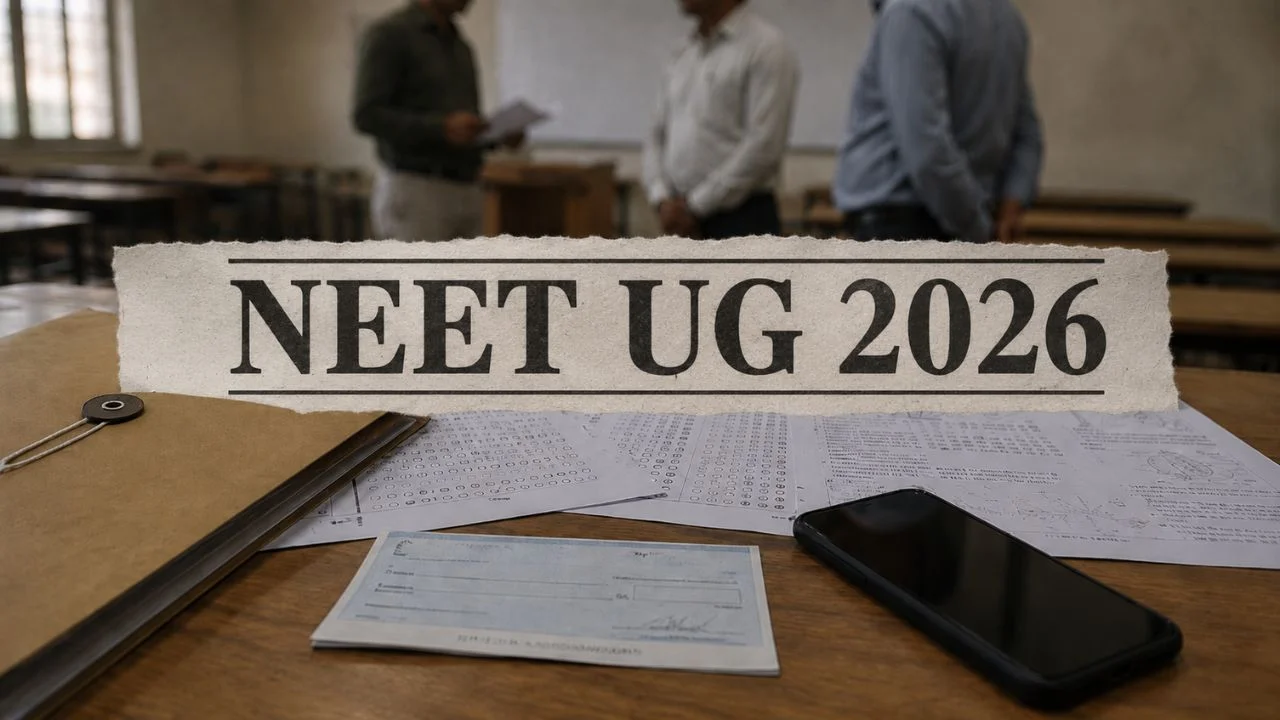
The National Testing Agency (NTA) has issued a warning to NEET UG 2026 candidates and their parents against submitting fake, altered, or AI-generated OMR sheets while raising objections related to examination results.
The examination authority said that candidates found providing fabricated documents or misleading information during the verification process could face legal consequences.
The warning comes after several students approached the agency with complaints alleging discrepancies between their expected scores and the marks published in the final results.
NTA Finds Suspicious Documents During Verification
According to the NTA, some candidates submitted OMR sheets while requesting score verification, but officials found that certain documents appeared to be manipulated or artificially generated.
The agency clarified that only original OMR sheets issued during the examination process will be accepted for reviewing complaints.
NTA officials said they are examining all grievances carefully and will consider only verified examination records while deciding on score-related concerns.
Students Raise Questions Over NEET UG Results
After the announcement of NEET UG 2026 results, several candidates reported differences between their estimated marks based on the official answer key and their final scorecards.
Some students claimed that their expected scores were significantly higher than the marks awarded in the results.
In some reported cases, candidates alleged that uploaded OMR sheets did not match their original answer sheets or that the displayed scores were inconsistent with their calculations.
The complaints prompted several students and parents to seek clarification and request a detailed review of the evaluation process.
AI-Generated Fake Records Create New Challenge
The NTA has highlighted the growing misuse of artificial intelligence tools to create fake examination documents.
Officials said digitally altered OMR sheets and fabricated records could create difficulties in identifying genuine grievances and may affect the integrity of the complaint resolution system.
The agency advised candidates to avoid using unofficial documents or modified materials while submitting objections.
Candidates found involved in producing false evidence may face action under applicable laws, the NTA warned.
NEET UG 2026 Conducted Again After Paper Leak Allegations
The NEET UG 2026 examination process faced controversy after allegations of a paper leak led authorities to cancel the original exam held on May 3.
A re-examination was conducted on June 21 for affected candidates, following which results were announced on July 16.
After the controversy, the government announced plans to move future NEET UG examinations from the traditional pen-and-paper format to a computer-based testing (CBT) system.
Verification Process Continues
The NTA said the review of complaints submitted by candidates is still underway and further decisions will be taken after completing the verification of all documents.
The agency has urged students to rely only on official communication channels and submit genuine records while seeking clarification about their results.
The Goa government has initiated a detailed investigation into alleged irregularities in Public Works Department (PWD) tenders worth nearly ₹1,000 crore, following complaints of document manipulation and misuse of contractor eligibility credentials.
The probe focuses on claims that certain construction firms may have secured high-value infrastructure contracts by submitting falsified or altered work completion certificates to qualify for top contractor categories.
Allegations of Fake Experience Certificates in Tender Bids
According to complaints filed by engineers and contractors, several companies allegedly used questionable documentation to obtain Class IAA contractor status, a designation that allows participation in large-scale government infrastructure projects.
Investigators are examining whether manipulated work completion certificates were used to falsely demonstrate prior project experience, thereby inflating eligibility during the tender evaluation process.
One of the key concerns involves references to infrastructure projects executed under Karnataka Neeravari Nigam Limited, including the “Mudi Tank Filling Scheme.” Authorities are verifying claims that duplicate or inconsistent completion certificates may have been issued for the same project.
JV Structure Alteration Under Scrutiny
Officials are also investigating alleged changes in joint venture (JV) agreements submitted during tender applications. In one case under review, a 2019 JV reportedly listed Amrita Constructions Private Limited as the lead partner, with another firm as a supporting entity.
However, documents submitted to Goa PWD allegedly reversed these roles, naming Bagkiya Constructions as the lead partner. This change is suspected to have significantly enhanced the company’s technical eligibility and past performance record.
Authorities believe such alterations may have allowed firms to qualify for contracts they would otherwise not have been eligible for under standard procurement norms.
Allegations Linked to Karnataka Project Documentation
Another complaint under review concerns the “Akka Mahadevi Memorial Project” in Shivamogga, Karnataka, valued at over ₹51 crore. It is alleged that the project, executed in phases, was incorrectly represented as a single completed contract to meet eligibility requirements for higher-value tenders.
Investigators are verifying whether such representations were used to gain unfair advantage in experience-based qualification criteria.
Government Launches Comprehensive Inquiry
Following the emergence of these allegations, the Goa government has ordered a preliminary inquiry into all related contracts, approvals, and supporting documentation.
Officials have stated that every stage of the tendering process—including eligibility checks, certificate validation, and contract award decisions—will be examined in detail.
If irregularities are established, possible actions may include contract cancellation, blacklisting of firms, recovery of funds, and legal proceedings against those involved in submitting false documentation.
Concerns Over Procurement Transparency
The case has raised broader concerns about transparency and verification systems in public infrastructure procurement. Experts point out that reliance on manual documentation without robust digital verification increases the risk of fraud in large-scale government contracting.
Transparency advocates have called for stronger auditing systems, centralized contractor databases, and real-time verification of project credentials to prevent misuse of public tender processes.
Probe Continues
Authorities have confirmed that the investigation is ongoing and a detailed report will be prepared after reviewing all evidence and documentation. Further action will be taken based on the findings in accordance with applicable laws and procurement rules.
-
 Business3 years ago
Pot Odor Does Not Justify Probable Cause for Vehicle Searches, Minnesota Court Affirms
-

 Business3 years ago
New Mexico cannabis operator fined, loses license for alleged BioTrack fraud
-
 Business3 years ago
Alabama to make another attempt Dec. 1 to award medical cannabis licenses
-

 Business3 years ago
Washington State Pays Out $9.4 Million in Refunds Relating to Drug Convictions
-

 Business3 years ago
Marijuana companies suing US attorney general in federal prohibition challenge
-

 Business3 years ago
Legal Marijuana Handed A Nothing Burger From NY State
-

 Business3 years ago
Can Cannabis Help Seasonal Depression
-

 Blogs3 years ago
Cannabis Art Is Flourishing On Etsy