
Business
How Cannabis Helps Treat Head Injuries

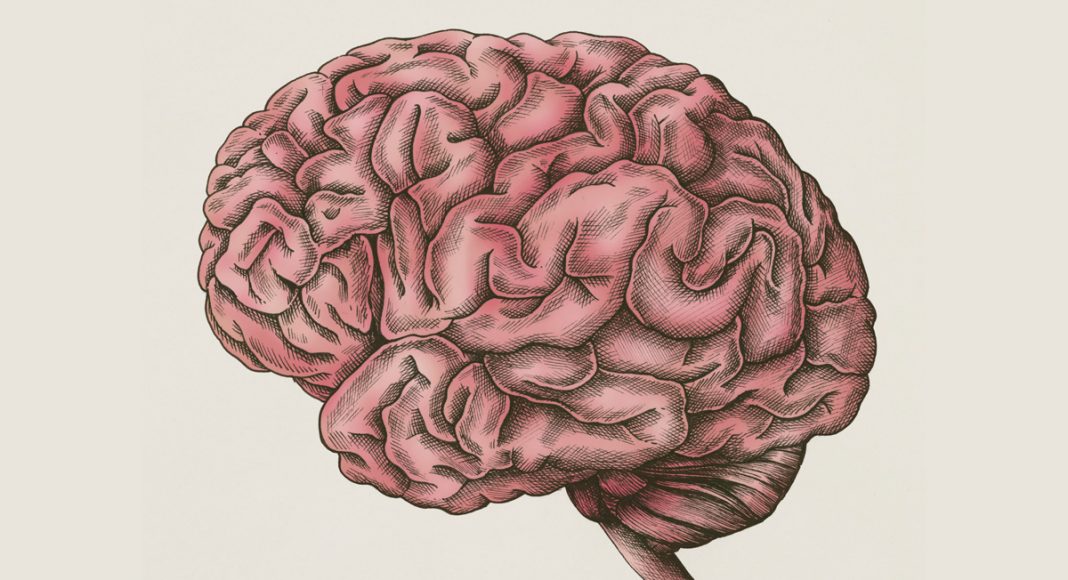
Traumatic brain injury (TBI) is one of the leading causes of death worldwide in individuals under the age of 45. Triggered by concussions from car accidents, falls, violent contact sports, explosives or by gunshot and stab wounds, TBI affects over 2.5 million Americans and Canadians annually. It is the most commonly identified cause of epilepsy among adults. A question is how cannabis helps treat head injuries
The social and economic costs of TBI are considerable given that many who survive severe head injuries suffer permanent behavioral and neurological impairment that adversely impacts learning and memory and often requires long-term rehabilitation. An estimated 4 million to 6 million Americans are on disability because of TBI. Even so-called mild cases of TBI can result in post-traumatic seizures, refractory cognitive deficits, and lower life expectancy.
Treatment modalities for TBI are limited with few satisfactory pharmaceutical options available. Surgical intervention, which entails the removal of parts of the skull to reduce intracranial pressure, is an emergency, life-saving measure, and the aftermath can be gruesome.
But hope is on the horizon, thanks in part to U.S. government-sponsored scientific research – and to extensive anecdotal accounts from medical marijuana patients – which highlight the potential of cannabinoid-based therapies for TBI.
The patent
In 1998, the Proceedings of the National Academy of Sciences published a groundbreaking report on the neuroprotective properties of cannabidiol (CBD) and tetrahydrocannabinol (THC), two major components of marijuana. Co-authored by a team of researchers (AJ Hampson, M Grimaldi, D Wink and Nobel laureate J Axelrod) at the National Institutes of Mental Health, this preclinical study on rats would form the basis of a U.S. government-held patent on “Cannabinoids as antioxidants and neuroprotectants.”
The patent indicates that CBD and THC were found “to have particular application as neuroprotectants … in limiting neurological damage following ischemic insults, such as stroke or trauma.” These plant cannabinoids were also deemed useful for treating other neurodegenerative conditions, “such as Alzheimer’s disease, Parkinson’s disease and HIV dementia.”
Whereas TBI results from an external blow to the skull, a stroke is caused internally by an arterial blockage or rupture. But TBI and stroke share many of the same pathological features and aberrant molecular mechanisms.
TBI and stroke are both acute and potentially lethal injuries, involving a primary ischemic insult that interrupts cerebral blood flow and destroys brain tissue. This is followed by a secondary injury cascade that, if unchecked, can ricochet for several weeks or months, resulting in more brain damage, motor impairment and other adverse “downstream” effects, such as poor concentration, irritability, and sleep problems.
Whether the cause is an occluded blood vessel or blunt external force, the initial trauma triggers a complex sequence of molecular events characterized by the massive release of glutamate (an excitatory neurotransmitter) and the overproduction of reactive oxygen species (free radicals) and other inflammatory compounds. Excessive glutamate and oxidative stress, in turn, lead to microvascular injury, blood-brain barrier breakdown, swollen brain tissue, mitochondrial dysfunction, calcium ion imbalance, neurotoxicity and cell death. The secondary injury cascade is associated with the development of many of the neurological deficits observed after a TBI or a stroke.
Cannabinoids to the rescue
A 2014 article in American Surgeon examined how marijuana use affected people who suffered a traumatic brain injury. “A positive THC screen is associated with decreased mortality in adult patients sustaining TBI,” the study concluded.
According to this noteworthy report by UCLA Medical Center scientists, TBI-afflicted individuals who consume marijuana are less likely to die and more likely to live longer than TBI patients who abstain.
How does cannabis, and THC, in particular, confer neuroprotective effects?
Plant cannabinoids such as THC and CBD mimic and augment the activity of endogenous cannabinoids that all mammals produce internally. Endogenous cannabinoids are part of the endocannabinoid system (ECS). The ECS regulates many physiological processes that are relevant to TBI, such as cerebral blood flow, inflammation, and neuroplasticity.
A 2011 article in the British Journal of Pharmacology describes the ECS as “a self-protective mechanism” that kicks into high gear in response to a stroke or TBI. Co-authored by Israeli scientist Raphael Mechoulam, the article notes that endocannabinoid levels in the brain increase significantly during and immediately after a TBI. These endogenous compounds activate cannabinoid receptors, known as CB1 and CB2, which protect against TBI-induced neurological and motor deficits.
THC activates the same receptors, with similar health-positive effects.
Of knockout mice and men
CB1 receptors are concentrated in the mammalian brain and central nervous system. Preclinical research involving animal models of TBI and stroke has shown that heightened CB1 receptor transmission can limit harmful excitotoxicity by inhibiting glutamate release. CB1 receptor activation also dilates blood vessels, thereby enhancing cerebral blood flow (and oxygen and nutrient supply to the brain).
But these beneficial physiological changes were not evident in genetically-engineered “knock out” mice that lack CB1 receptors. Without these crucial receptors, an animal is less able to benefit from the neuroprotective properties of endogenous cannabinoids and plant cannabinoids.
In 2002, the Journal of Neuroscience reported that the impact of induced cerebral ischemia is much more severe in CB1 knockout mice than in “wild type” mice with cannabinoid receptors. The absence of CB1 was shown to exacerbate TBI-related brain damage and cognitive deficits, indicating that cannabinoid receptors play an important role in neuroprotection.
The CB1 paradox
By manipulating cannabinoid receptors and other components of the endocannabinoid system with synthetic and plant-derived compounds, medical scientists have been able to reduce brain injury in animal experiments.
But CB1 proved to be a tricky target.
In 2013, the International Journal of Molecular Science reported on how TBI is affected by diurnal variations of the endocannabinoid system. It turns out that the recovery and survival rate of concussed lab rats is significantly higher if a TBI occurs at 1 am, when CB1 receptors are least robust, as compared to 1 pm, when CB1 receptor expression peaks.
This finding was somewhat perplexing given the protective function of the endocannabinoid system against brain trauma.
The ECS is a complex, front-line mediator of acute stress, and the pivotal role of the CB1 receptor is contingent on several variables, including time of day, the phase of the ischemic injury, and endocannabinoid concentrations in the brain. Small and large amounts of cannabinoid compounds produce opposite effects.
When excess glutamate is released, CB1 activity increases to reduce excitotoxic neurotransmission. But CB1also regulates apoptosis (cell death), acting as a switch between cell survival and cell death. Extreme CB1activation could trigger cell death even while it reduces glutamate release. It’s possible that a weak CB1antagonist (that partially blocks CB1 transmission) might limit apoptosis while still reducing glutamate excitotoxicity.
CB2 and neurogenesis
After an initial infatuation with CB1, medical scientists shifted their attention to the CB2 receptor as a drug development target for treating TBI. The CB2 receptor modulates immune function and inflammation. It is expressed primarily in immune cells, metabolic tissue, and the peripheral nervous system.
CB2 receptor expression, unlike CB1, does not vary according to the hour of the day. But during and after severe head trauma, CB2 receptor expression is dramatically “upregulated” in the brain, which means that these receptors rapidly increase in number and density in response to TBI. According to a 2015 study in Neurotherapeutics, “Upregulation of CB2 with no changes in CB1 have been found in TBI.”
Preclinical research has shown that CB2 receptor signaling mitigates many of the molecular processes that underlie neuronal deterioration and cell death after TBI. In 2012, the Journal of Neuropsychiatric Research reported that CB2 receptor activation attenuates blood-brain barrier damage in a rodent model of TBI. Two years later, the Journal of Neuroinflammation noted that the CB2 receptor is instrumental in regulating inflammation and neurovascular responses in the TBI-compromised brain. Genetic deletion of CB2 worsens the outcome of TBI in animal tests, underscoring CB2’s neuroprotective function.
Other studies have shown that CB2 receptor activation promotes cell repair and survival following an ischemic injury. CB2 receptors are present in progenitor (“stem”) cells and are instrumental in driving neurogenesis (the creation of new brain cells). Neurogenesis enhances motor function and overall recovery after TBI. CB2 knockout mice have impaired neurogenesis.
Shipwrecked
Research involving animal models has shed light on the pathological processes that ensue after a closed head injury. But promising leads focusing on the CB2 receptor have not translated into successful clinical results. As Italian scientist Giovanni Appendino remarked: “If drug discovery is a sea, then CB2 is a rock that is surrounded by shipwrecked-projects.”
But why? For starters, preclinical models only partially reproduce a disease. And synthetic cannabinoids that target a single type of receptor only partially reproduce the multifunctional activities of endogenous cannabinoids and the broad spectrum profile of plant cannabinoids.
Endocannabinoids and phytocannabinoids are “pleiotropic” agents that interact directly and indirectly with several receptors – not just CB1 and CB2 – which also contribute to remediating the neurodegenerative cascade that ensues after a stroke or TBI.
It appears that an exogenous cannabinoid, either synthetic or plant-derived, may need to engage both CB1and CB2 (directly or indirectly) and perhaps other pathways, as well, to confer a clinically-relevant neuroprotective effect. A synthetic single bullet aimed at CB2 or another target is simply not as versatile or as effective as a whole plant synergistic shotgun or a multidimensional endogenous entourage.
A promiscuous compound
How cannabis helps treat head injuries is perhaps through cannabidiol They are considered to be a promiscuous compound because it produces numerous effects through dozens of molecular pathways. Writing in 2017, Mayo Clinic neurologist Eugene L. Scharf noted that the scientific literature has identified more than 65 molecular targets of CBD. This versatile plant cannabinoid is highly active against brain ischemia, modulating many of the molecular and cellular hallmarks of TBI pathology.
CBD has been shown to reduce brain damage and improve functional recovery in animal models of stroke and TBI. According to a 2010 report in the British Journal of Pharmacology, CBD normalizes post-ischemic heart arrhythmia and limits the size of damaged tissue when administered after a closed head injury.
What’s more, CBD produces no intoxicating side effects, no THC-like high. And CBD use does not lead to tolerance.
A damaged brain can be remarkably plastic, but there is only a circumscribed window of opportunity (the “platinum ten minutes” or “golden hour”) for therapeutic intervention to prevent, attenuate or delay the degenerative domino effect that occurs during a secondary injury cascade. Cannabidiol expands that window of opportunity. Researchers have learned that CBD can convey potent, long-lasting neuroprotection if given shortly before or as much as twelve hours after the onset of ischemia.
Although it has little direct binding affinity for cannabinoid receptors, CBD confers neuroprotective effects and other benefits via several non-cannabinoid receptors. In 2016, scientists at the University of Nottingham (UK) reported that CBD protects the blood-brain barrier from ischemia-induced oxygen and glucose deprivation by activating the 5-HT1A serotonin receptor and the PPAR-gamma nuclear receptor. CBD also acts through numerous receptor-independent channels – for example, by delaying endocannabinoid “reuptake,” which increases the concentration of neuroprotective endocannabinoids in the brain.
Spanish scientists, presenting at the 2016 conference of the International Cannabinoid Research Society, compared the impact of CBD and hypothermia (cooling) on newborn piglets deprived of oxygen because of an ischemic injury. Hypothermia is typically the go-to therapy for treating newborn infants after a stroke. But in this animal model, the administration of CBD was more effective than hypothermia in protecting neonatal brain function. Preliminary data suggests that a synergistic combination of CBD and hypothermia may produce the best results.
CBD for CTE
Chronic traumatic encephalopathy (CTE), a particularly severe form of TBI, is caused by the accumulation of numerous concussions, which increases the risk of neurological problems later in life and hastens the progression of dementia. Football players are particularly vulnerable given the violent nature of the sport.
After years of official National Football League neglect and cover-up, a cascade of suicide and mental health disorders among former star athletes has generated public attention. So has CBD. The anecdotal benefits of CBD-rich cannabis oil for CTE are well known among football players, boxers, and other professional athletes who are prone to head injuries.
CBD, in and of itself, has a unique, broad-spectrum profile that can augment multiple aspects of our innate, endocannabinoid biology. As a single-molecule compound, CBD has delivered impressive neuroprotective results in preclinical experiments. But let’s not forget about THC, given that TBI patients who tested positive for THC did better than TBI patients who abstained from cannabis.
The entourage effect is real. CBD works even better when combined with THC and other constituents of the cannabis plant. Beyond CBD and THC, dozens of cannabis components with specific medical attributes interact synergistically so that the therapeutic impact of the whole plant is greater than the sum of its parts.
For many TBI patients, it’s late in the game and the clock is ticking. A phytocannabinoid remedy that combines CBD and THC and acts at multiple targets simultaneously would seem to be an ideal therapeutic candidate to treat TBI. Thus far, however, there have been no FDA-sanctioned clinical trials to ascertain the efficacy of whole plant, CBD-rich cannabis oil for traumatic brain injury. And in many places, cannabis is still not available as a legal therapeutic option.
Complementary Therapies for TBI
A pathology as complex as a stroke or a traumatic brain injury can benefit from a multifaceted treatment regimen that encompasses a combination of healing modalities, including:
• Whole plant cannabis oil. CBD-rich extracts with as much THC as a person is comfortable with.
• Terpenes. Cannabis products and strains with beta-caryophyllene and terpinolene.
• Diet. A high fat/low carbohydrate/low sugar diet with plenty of leafy greens, omega 3 oils (DHA, EPA), and fermented foods (probiotics).
• Nutritional supplements and antioxidants. Magnesium, vitamin D, curcumin, glutathione – and melatonin to restore circadian rhythms and sleep.
• Ancient therapies. Acupuncture, exercise, and caloric restriction (fasting), which increase endocannabinoid levels.
• Modern therapies. Neurofeedback, low-level laser therapy (photobiomodulation), hyperbaric oxygen, traßnscranial direct current stimulation, flotation tank therapy, and hypothermia (cooling).
Source: https://thefreshtoast.com/rx/no-brainer-how-cannabis-helps-treat-head-injuries/









Reliance Jio has crossed a significant milestone in its space connectivity ambitions after its proposal to deploy a Low Earth Orbit (LEO) satellite constellation of around 1,600 satellites received a positive technical assessment from the Indian National Space Promotion and Authorisation Centre (IN-SPACe).
The evaluation, conducted jointly by IN-SPACe, the Indian Space Research Organisation (ISRO), and the Wireless Planning and Coordination (WPC) wing of the Department of Telecommunications, reportedly concluded that Jio’s proposed system meets the required technical standards and is comparable to leading global satellite broadband networks.
India’s Indigenous LEO Satellite Vision
Under the proposal, Reliance Jio plans to deploy between 1,600 and 1,650 satellites in Low Earth Orbit at an altitude of around 650 kilometres.
The planned constellation is expected to provide high-speed satellite connectivity across India, with approximately 32 satellites visible from any location at a given time. The company aims to roll out the network within the next two to three years, subject to regulatory approvals.
According to industry estimates, the satellite system could deliver 4.5 to 5 terabits per second (Tbps) of total data capacity, making it one of the largest satellite broadband projects proposed in India.
The project is expected to require an investment of $10–15 billion (approximately ₹95,000 crore to ₹1.42 lakh crore), reflecting the scale of infrastructure needed for satellite manufacturing, launches, ground stations, and user terminals.
Regulatory Process Moves Forward
Following the successful technical review, the proposal is expected to move into the next phase of regulatory approvals.
The government may now assist Jio in securing orbital slots, coordinating spectrum usage, and filing applications with the International Telecommunication Union (ITU), the global body responsible for managing satellite orbit and frequency allocations.
Obtaining orbital rights remains a critical step, as Low Earth Orbit has become increasingly competitive due to the growing number of satellite broadband projects being planned worldwide.
Officials also indicated that the proposed satellite architecture has been designed to coexist with future Indian LEO constellations, allowing multiple domestic operators to share orbital resources efficiently.
Broadband, Mobile Connectivity, and Strategic Applications
Jio plans to use the satellite network to provide a range of communication services, including satellite broadband, mobile backhaul, enterprise connectivity, and direct-to-device (D2D) satellite communication, particularly in remote and underserved regions where conventional telecom infrastructure is limited.
The company also intends to establish 20 to 22 ground stations across India to support network operations.
Apart from commercial telecommunications, officials have highlighted the project’s potential strategic importance. A domestically developed satellite constellation could strengthen India’s communication infrastructure, reduce dependence on foreign satellite operators, and support national security requirements.
Reports suggest preliminary discussions are underway regarding the possibility of integrating defence-related payloads into some satellites, enabling both civilian and strategic use.
Major Step for India’s Space and Telecom Sectors
Industry analysts view the technical clearance as an important milestone in India’s expanding private space ecosystem. If Jio secures the remaining regulatory approvals and international orbital clearances, the project could become the country’s first large-scale indigenous LEO satellite broadband network.
The initiative also aligns with India’s broader efforts to expand digital connectivity while strengthening its presence in the global satellite communications market.

After evading law enforcement for nearly 13 years, an accused linked to a large-scale pharmaceutical fraud case has been arrested by Delhi Police from Surat, Gujarat. The suspect is alleged to have orchestrated a series of financial scams involving fake identities, forged documents, and dishonoured cheques used to procure high-value pharmaceutical raw materials.
Authorities say the accused, identified as Himmat Singh Lodha, is believed to have defrauded multiple pharmaceutical companies in Delhi of goods worth approximately ₹98 lakh before disappearing and remaining underground for years.
Fake Business Deals and Dishonoured Cheques Used in Fraud
Investigators claim the accused posed as a legitimate pharmaceutical trader and placed bulk orders for expensive drug ingredients, offering post-dated cheques as payment security.
In one documented case from 2013, he allegedly obtained around 550 kilograms of Gliclazide, a diabetes-related pharmaceutical ingredient, valued at over ₹26 lakh. When suppliers attempted to encash the cheques, they were reportedly returned with the remark “account closed.”
Following the transaction, the accused allegedly vacated his office and rented residence and disappeared without settling payments. He was later declared a proclaimed offender in 2016 after repeatedly failing to appear before court proceedings. Authorities had also issued a reward for information leading to his arrest.
Multiple Identities and Repeated Fraud Pattern
Police investigations further link the accused to another cheating case dating back to 2012, where he allegedly used a fake identity, “Kailash Jain,” to obtain a large consignment of Ambroxol HCL, a pharmaceutical compound used in cough medications. The value of that consignment was estimated at around ₹72 lakh.
Officials believe the accused followed a consistent modus operandi—posing as a credible businessman, securing high-value goods on deferred payment terms, and then disappearing after delivery while shutting down business operations.
Investigators suspect that forged business records, fake company credentials, and fabricated financial histories were used to build trust with suppliers and gain access to expensive raw materials.
Multi-State Surveillance Leads to Arrest in Surat
A special Crime Branch team tracked the accused through coordinated surveillance efforts across multiple cities, including Mumbai, Ahmedabad, and Surat. After nearly a month of technical monitoring and intelligence gathering, officials located and arrested him from a residential area in Surat.
Authorities also revealed that the accused had been involved in property-related activities while staying under the radar to avoid detection.
Growing Threat of Corporate Identity Fraud
The case highlights a rising trend of organised financial fraud targeting industries that rely heavily on trust-based transactions and deferred payments. Experts note that criminals increasingly exploit gaps in corporate verification systems by using fake GST registrations, temporary offices, and forged documentation to appear legitimate.
Cybercrime and financial fraud specialists warn that such schemes are becoming more complex with the widespread availability of digital business tools, making it easier to create convincing but fraudulent corporate identities.
Experts Urge Stronger Due Diligence in High-Value Transactions
Experts, including former IPS officer and cybercrime specialist Prof. Triveni Singh, emphasize the need for stricter verification procedures in commercial dealings. He noted that relying solely on paperwork or digital business profiles can expose companies to significant financial risk.
Authorities and industry experts recommend physical verification of business operations, bank account validation, and detailed background checks before engaging in high-value or deferred-payment transactions—particularly in sectors like pharmaceuticals, where single consignments can involve transactions worth crores.
Business
EU Pressure Builds on Google as Regulators Face Calls for Massive Fine Over Search Practices


A growing coalition of European industry groups is intensifying pressure on regulators to take decisive action against Google over allegations of unfair search practices that could reshape competition rules across the region’s digital economy.
Investigation Under Digital Markets Act Gains Momentum
The case is being examined by the European Commission under the European Union’s landmark Digital Markets Act (DMA), introduced to curb the dominance of major technology platforms and ensure fair competition.
Launched in March 2024, the investigation focuses on whether Google has been prioritising its own services in search results, potentially disadvantaging rival businesses that rely on online visibility to reach customers.
Industry Groups Demand Swift Action
Several prominent European organizations have jointly urged regulators to conclude the probe without further delay. They argue that prolonged investigations allow alleged anti-competitive practices to continue, putting European companies—especially startups—at a disadvantage.
Signatories include the European Publishers Council, the European Magazine Media Association, the European Tech Alliance, and EU Travel Tech.
In a joint statement, these groups warned that delays in enforcement are affecting innovation, profitability, and growth prospects for regional businesses competing in digital markets.
Google Denies Allegations
Google has rejected claims of bias, stating that its search algorithms are designed to deliver the most relevant and useful results to users. The company has also proposed adjustments to address regulatory concerns.
However, critics argue that these changes are insufficient and fail to address the core issue of market dominance.
Potential Billion-Euro Penalties
If found in violation of the DMA, Google could face significant financial penalties. Under EU rules, fines can reach a substantial percentage of a company’s global turnover, potentially amounting to billions of euros.
Regulators may also impose corrective measures requiring changes to business practices, which could have long-term implications for how digital platforms operate in Europe.
Wider Implications for Big Tech
The case highlights ongoing tensions between European regulators and major U.S. technology firms. In recent years, the EU has taken a more aggressive stance in enforcing competition laws, aiming to create a level playing field for local businesses.
A final ruling against Google could set a major precedent, influencing future enforcement actions and shaping the regulatory landscape for global tech companies operating within Europe.
As scrutiny intensifies, the outcome of the investigation is expected to play a critical role in defining the future of digital competition across the European Union.
-
 Business3 years ago
Pot Odor Does Not Justify Probable Cause for Vehicle Searches, Minnesota Court Affirms
-

 Business3 years ago
New Mexico cannabis operator fined, loses license for alleged BioTrack fraud
-

 Business3 years ago
Alabama to make another attempt Dec. 1 to award medical cannabis licenses
-
 Business3 years ago
Washington State Pays Out $9.4 Million in Refunds Relating to Drug Convictions
-

 Business3 years ago
Marijuana companies suing US attorney general in federal prohibition challenge
-

 Business3 years ago
Legal Marijuana Handed A Nothing Burger From NY State
-

 Business3 years ago
Can Cannabis Help Seasonal Depression
-

 Blogs3 years ago
Cannabis Art Is Flourishing On Etsy