
AICybercrime
ED Traces ₹75 Crore in Assets Linked to ₹450 Crore Bank Fraud Probe

The Enforcement Directorate (ED) has intensified its investigation into an alleged ₹450 crore bank fraud case by conducting searches across Uttar Pradesh, Delhi, and Punjab, leading to the recovery of property documents valued at around ₹75 crore. The agency suspects that the assets may be linked to proceeds generated from a large-scale loan fraud involving a consortium of banks.
The searches were carried out by the ED’s Lucknow Zonal Office at multiple locations connected to Santosh Overseas Limited, a Bulandshahr-based company under investigation in a money laundering case. The probe originated from allegations raised by a consortium of banks led by IDBI Bank.
Investigation Traces Alleged Fraud Back to Fake Purchase Order
The case dates back to a Central Bureau of Investigation (CBI) investigation registered in 2020 against Santosh Overseas Limited and its director Sunil Mittal over alleged financial irregularities.
Investigators had accused the company of obtaining packing credit facilities from a seven-bank consortium based on a suspected fake purchase order issued by an associated entity. The company was also alleged to have maintained accounts with other banks outside the lending consortium and routed business proceeds through those accounts without informing the lenders.
According to investigators, this arrangement allegedly prevented banks from accurately assessing the company’s actual financial position and cash flow movements.
The initial CBI case involved allegations of fraud of approximately ₹424 crore, while the ED’s ongoing money laundering investigation has placed the suspected financial irregularities at nearly ₹450 crore after further examination of financial records.
Property Assets Under ED Scanner
During the recent searches, the ED reportedly recovered property-related documents worth about ₹75 crore. The agency stated that these assets were registered in the names of family members of the accused directors and entities allegedly connected with them.
Investigators are now examining whether these properties were purchased using funds allegedly diverted from bank loans. If the assets are established as proceeds of crime, the ED may initiate attachment proceedings under the Prevention of Money Laundering Act (PMLA).
Officials are also analyzing ownership structures and financial links to determine the extent of involvement of individuals and entities connected with the suspected transactions.
Digital Evidence and Financial Records Examined
Apart from property documents, the searches resulted in the seizure of approximately ₹10.5 lakh in cash, electronic devices, and financial records. The ED said the seized material will undergo detailed forensic examination to trace the movement of funds between bank accounts, companies, and individuals.
Investigators are expected to compare the recovered data with banking records, corporate filings, and other financial documents already collected during the probe.
The analysis could help authorities identify additional beneficiaries or persons who may have benefited from the alleged diversion of loan funds.
Probe Continues Across Multiple States
The ED has not disclosed the complete list of individuals and entities covered during the searches, citing the ongoing nature of the investigation.
Officials said further action, including additional searches, attachment of suspected proceeds of crime, or legal proceedings against other persons, will depend on findings from the seized documents and digital evidence.
The case highlights the challenges faced by investigative agencies in tracking large-scale financial frauds where funds are allegedly moved through multiple entities before being converted into assets such as land and property.












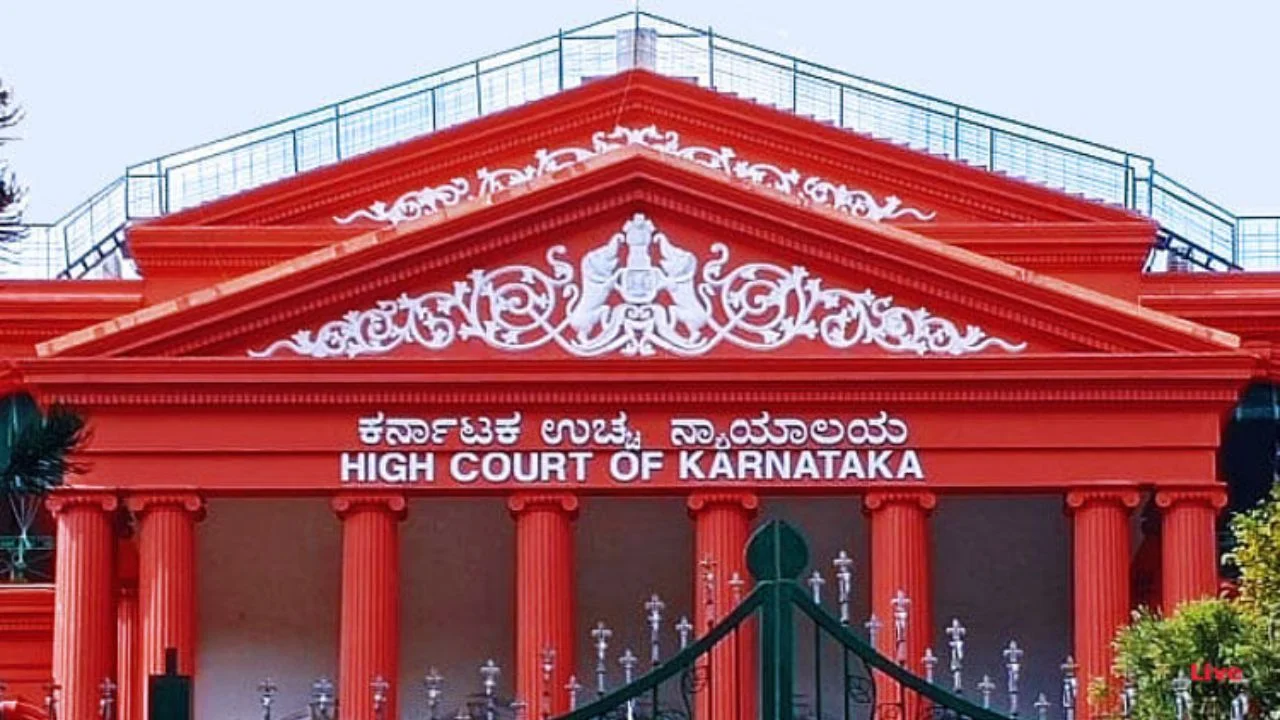
BENGALURU: The Karnataka High Court has declined to quash a criminal case against a man accused of falsely presenting himself as an advocate and allegedly collecting more than ₹21 lakh from a widow while promising to help resolve her property dispute.
Justice Suraj Govindaraj, hearing the petition, held that the allegations in the complaint, if taken at face value at this preliminary stage, disclosed circumstances warranting a criminal investigation. The court rejected the argument that the matter was purely civil because it arose from a property dispute.
Woman Allegedly Paid More Than ₹21 Lakh
The case arose from a complaint filed by a widow who was involved in a dispute concerning property and was looking for assistance in resolving related litigation.
According to the allegations before the court, one of the accused allegedly introduced himself as a lawyer and claimed that he could assist the woman in dealing with the pending legal matter. She allegedly relied on those representations and subsequently paid the accused more than ₹21 lakh.
The complaint further alleges that the accused did not possess the legal credentials he represented himself as having. The exact circumstances surrounding the payments and the representations made to the woman remain matters for investigation.
Accused Sought Cancellation of FIR
The accused approached the Karnataka High Court seeking to have the FIR and subsequent proceedings quashed.
His argument was that the dispute essentially concerned property and money and should therefore be treated as a civil matter. On that basis, the petitioner contended that allowing a criminal case to continue was inappropriate.
The High Court did not accept that submission at the stage of investigation.
The court examined whether the allegations, on their face, disclosed ingredients of a criminal offence. It concluded that the complaint contained allegations that went beyond a simple disagreement over property or repayment of money.
Civil Dispute Can Also Involve Criminal Offences
A central point in the court’s decision was the distinction between civil and criminal proceedings.
The existence of a civil dispute does not automatically prevent criminal action where the allegations also disclose conduct that may constitute an offence. If a complaint alleges that a person obtained money by making a false representation or by deliberately inducing another person to rely on that representation, the matter may warrant investigation under criminal law.
In this case, the allegation that the accused allegedly posed as an advocate was particularly relevant because the woman was reportedly seeking legal assistance in connection with ongoing property litigation.
The court therefore found that the criminal investigation should not be stopped merely because the underlying dispute involved property.
Alleged False Legal Credentials Under Investigation
The allegation concerning the accused’s identity as a lawyer forms an important part of the complaint.
According to the case placed before the High Court, the woman allegedly believed that the accused possessed the necessary legal credentials and could help resolve her dispute. The alleged representation was followed by the transfer of more than ₹21 lakh.
Whether the accused actually made the alleged representations, whether he falsely claimed to be an advocate and whether the payments were obtained through deception are factual questions that remain to be established through investigation and evidence.
High Court Says Investigation Should Continue
The High Court’s refusal to quash the FIR means that investigators can continue examining the allegations.

Kerala Police have arrested a man at Hyderabad’s Rajiv Gandhi International Airport in connection with an alleged digital arrest scam in which an 80-year-old doctor from Kasaragod was reportedly defrauded of ₹1.19 crore.
The accused has been identified as Shamsad Choorakuth, a resident of Malattur in Malappuram. Police had issued a lookout circular after discovering that he had travelled abroad for employment.
Investigators allege that Choorakuth and his associates impersonated Mumbai Crime Branch officials and used threats of criminal action to pressure the elderly doctor into transferring large amounts of money.
Doctor Targeted Through Fake Mumbai Crime Branch Calls
According to investigators, the fraud took place between November 24 and December 17, 2025.
The victim, who lives in Nileswaram in Kasaragod, allegedly received repeated phone calls and WhatsApp video calls from people claiming to be Mumbai Crime Branch officers.
The callers reportedly told the doctor that his name had surfaced in a money-laundering investigation. They then falsely informed him that he was under “digital arrest” and instructed him to follow their directions.
The scammers allegedly maintained pressure on the victim by threatening him with legal consequences and claiming that transferring money to designated bank accounts would help establish his innocence.
Under the pressure, the doctor reportedly transferred a total of ₹1,19,35,000 from multiple bank accounts to accounts allegedly controlled by the fraudsters.
Suspect Intercepted at Hyderabad Airport
After receiving the doctor’s complaint, Kasaragod Cyber Police began investigating the financial transactions and communication records connected to the case.
During the investigation, police learned that Choorakuth had travelled outside India for work. Authorities subsequently issued a lookout circular covering immigration checkpoints.
On September 17, immigration officials at Rajiv Gandhi International Airport in Hyderabad reportedly intercepted Choorakuth after he arrived in the country and informed Kerala Police.
A cyber police team from Kasaragod travelled to Hyderabad and took custody of the suspect. Following his formal arrest, he was produced before the Kasaragod Chief Judicial Magistrate Court, which remanded him to 14 days of judicial custody.
Police Trace Money Trail and Other Suspects
Investigators are now examining the movement of the ₹1.19 crore allegedly transferred by the victim.
Police are scrutinising the bank accounts that received the funds and analysing communication records believed to connect the accused with other members of the suspected cybercrime network.
The investigation is aimed at determining Choorakuth’s specific role and identifying additional individuals who may have participated in the operation.
How Digital Arrest Scams Work
Digital arrest frauds typically rely on impersonation, intimidation and prolonged online interactions.
Scammers may pose as police officers, investigators, judges or other government officials and falsely accuse victims of involvement in serious crimes such as money laundering or financial fraud.
Victims are often told that they are under investigation or “digital arrest” and are instructed to remain connected through phone or video calls. The criminals then use threats of arrest, prosecution or account freezing to pressure victims into transferring money.
The Kasaragod case follows this pattern, with the elderly doctor allegedly being kept under sustained psychological pressure before transferring his savings.
Investigation Continues
The arrest at Hyderabad airport has provided investigators with an opportunity to examine the suspected financial and communication network behind the alleged fraud.
Authorities are expected to continue analysing bank transactions, digital communications and other evidence to identify the wider network and determine whether additional victims or financial accounts are connected to the case.

Kerala Police have arrested a man at Hyderabad’s Rajiv Gandhi International Airport over an alleged digital arrest scam in which an 80-year-old doctor from Kasaragod was reportedly cheated of ₹1.19 crore.
The accused, identified as Shamsad Choorakuth, a resident of Malattur in Malappuram, was intercepted by immigration officials after police issued a lookout circular against him. Investigators allege that he was part of a group that impersonated Mumbai Crime Branch officers to intimidate the elderly victim and extract money from him.
Fraudsters Claimed Doctor Was Linked to Money Laundering Case
The alleged fraud occurred between November 24 and December 17, 2025.
The doctor, who lives in Nileswaram, Kasaragod, reportedly received repeated phone calls and WhatsApp video calls from individuals claiming to represent the Mumbai Crime Branch.
The callers allegedly told him that his name had been connected to a money-laundering investigation. They then claimed that he had been placed under “digital arrest” and warned him of serious legal consequences.
Using these threats, the fraudsters allegedly instructed the victim to transfer money into several bank accounts as part of a supposed process to clear his name.
The doctor ultimately transferred ₹1,19,35,000 from multiple bank accounts to accounts allegedly controlled by the suspects.
Lookout Circular Leads to Airport Interception
After the victim reported the incident, Kasaragod Cyber Police began investigating the financial transactions and communications associated with the alleged fraud.
During the investigation, police reportedly discovered that Choorakuth had travelled overseas for employment. Authorities subsequently issued a lookout circular to immigration checkpoints.
On September 17, immigration officials at Hyderabad airport reportedly intercepted him after his arrival and notified Kerala Police.
A cybercrime team from Kasaragod then travelled to Hyderabad and took custody of the suspect. Following his arrest, Choorakuth was produced before the Kasaragod Chief Judicial Magistrate Court, which remanded him to 14 days of judicial custody.
Police Investigate Financial Trail
Investigators are now examining the movement of the ₹1.19 crore allegedly transferred by the victim.
Police are checking the bank accounts used in the transactions and analysing communication records to determine Choorakuth’s alleged links with other members of the suspected fraud network.
The investigation is also focused on establishing the accused’s precise role and identifying other people who may have been involved in the operation.
What Is a Digital Arrest Scam?
Digital arrest scams are a form of cyber fraud in which criminals impersonate police officers, government officials, investigators or judicial authorities.
Fraudsters typically tell victims that they are involved in a criminal investigation and use threats of arrest, prosecution or account restrictions to create fear.
Victims may be kept on prolonged phone or video calls while being instructed to transfer money to accounts controlled by the scammers.
In this case, investigators allege that the same tactic was used to convince the elderly doctor that he needed to transfer money to avoid criminal proceedings.
Investigation Into Wider Network Continues
The arrest at Hyderabad airport is now part of a wider investigation into the alleged cyber fraud network.
Police are expected to follow the financial trail and examine digital communications to identify additional suspects and determine whether other people were targeted using similar methods.
The case also highlights the growing use of impersonation and intimidation in online financial scams targeting elderly victims.
-

 Business3 years ago
Pot Odor Does Not Justify Probable Cause for Vehicle Searches, Minnesota Court Affirms
-

 Business3 years ago
New Mexico cannabis operator fined, loses license for alleged BioTrack fraud
-

 Business3 years ago
Alabama to make another attempt Dec. 1 to award medical cannabis licenses
-

 Business3 years ago
Washington State Pays Out $9.4 Million in Refunds Relating to Drug Convictions
-

 Business3 years ago
Marijuana companies suing US attorney general in federal prohibition challenge
-

 Business3 years ago
Legal Marijuana Handed A Nothing Burger From NY State
-

 Business3 years ago
Can Cannabis Help Seasonal Depression
-

 Blogs3 years ago
Cannabis Art Is Flourishing On Etsy