
Economic Policy
ED Notice to Kerala CM Deepens Scrutiny of KIIFB Masala Bond Dealings


Thiruvananthapuram, December 2, 2025: The Enforcement Directorate (ED) has issued a show-cause notice to Kerala Chief Minister Pinarayi Vijayan in connection with alleged violations linked to the state’s masala bond program under the Kerala Infrastructure Investment Fund Board (KIIFB). The notice marks a significant escalation in an investigation scrutinizing offshore borrowing and compliance with India’s foreign-exchange regulations.
The notice, served under the Foreign Exchange Management Act (FEMA), alleges that KIIFB’s issuance and use of rupee-denominated masala bonds contravened Reserve Bank of India (RBI) directives. Specifically, the ED claims that ₹466.91 crore raised abroad was utilized for purposes, including land acquisition, that fall outside permissible categories for external commercial borrowing.
Along with the chief minister, former Finance Minister T.M. Thomas Isaac and KIIFB’s former CEO K.M. Abraham have also received notices, signaling a widening circle of accountability within the state’s financial administration.
KIIFB and the Masala Bond Initiative
Launched on the London and Singapore stock exchanges, KIIFB’s masala bond initiative was initially celebrated as a model for sub-national borrowing. By raising ₹2,672.8 crore through rupee-denominated bonds, the state aimed to fund infrastructure projects—including schools, hospitals, roads, and power facilities—without taking on foreign-currency risk.
The mechanism was designed to bypass fiscal constraints and provide a reliable capital inflow for public projects. While Kerala officials maintain that the program complied with all regulatory protocols and approvals, the ED’s notice challenges whether the bond’s deployment fully adhered to RBI and FEMA guidelines.
Allegations and Regulatory Concerns
According to ED sources, the primary allegation centers on the use of bond proceeds for land purchases—a move the agency argues violates RBI directives restricting external commercial borrowing to specific capital expenditure categories. By implicating top officials, including the chief minister who chairs KIIFB, the ED is asserting national-level regulatory authority over state investment decisions.
Kerala officials have characterized the ED’s actions as an overreach, emphasizing the state’s fiscal autonomy and claiming that KIIFB operated within the law. The dispute highlights ongoing tensions between federal oversight and state-led economic initiatives.
Political and National Implications
The notice comes amid already strained relations between New Delhi and the Left-led Kerala government. Previous summonses to former Finance Minister Thomas Isaac prompted accusations of political targeting, and the extension of scrutiny to the sitting chief minister has intensified the debate over state powers in accessing international capital markets.
As the investigation unfolds, the case is expected to fuel discussions about the limits of federal enforcement, the governance of sub-national borrowing, and the role of states in pioneering innovative financial instruments.

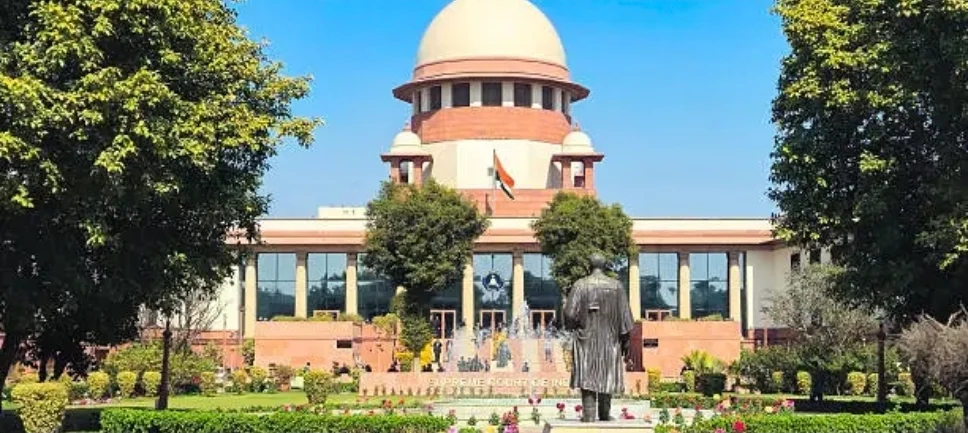
The Supreme Court of India has questioned the sharp difference between the prices at which medicines reach retailers and the maximum retail prices charged to patients, particularly in corporate hospitals.
During a hearing on September 29, a bench of Justices Vikram Nath and Sandeep Mehta examined whether a uniform limit of 16% could be applied to medicine margins. The discussion followed the court’s earlier concern over a cancer medicine with a retailer price of about ₹2,700–₹3,000 but an MRP of ₹27,000.
Court Questions Wide Gap Between Retail Price and MRP
The Supreme Court focused on how such large differences between the Price to Retailer (PTR) and MRP can affect patients who have little choice over where they obtain medicines during hospital treatment.
The bench questioned why different pricing rules should apply to essential and non-essential medicines and asked whether a common 16% margin could be considered across pharmaceutical products. The issue remains under consideration and the court has not imposed such a cap at this stage.
Concerns Over In-House Hospital Pharmacies
The court also examined the purchasing practices of corporate hospitals.
According to the proceedings, patients admitted to some hospitals may be directed to obtain medicines from the facility’s own pharmacy. The bench raised concerns about situations in which hospitals may not accept medicines purchased from outside pharmacies or may decline to provide treatment assurances when patients bring their own drugs.
The issue becomes particularly significant for patients undergoing expensive or long-term treatments, where medicine costs can represent a substantial part of the overall bill.
Impact on Government Health Schemes
The Supreme Court also highlighted the potential effect of high medicine prices on publicly funded healthcare programmes.
Where treatment is reimbursed under government schemes, the court noted that taxpayers ultimately finance the medical expenses. If reimbursement is calculated using substantially inflated MRPs, the difference between procurement costs and the amount reimbursed could increase public expenditure.
The bench also pointed to a consumer-trust problem. If a medicine officially carries an MRP of ₹27,000 but a pharmacy offers it for around ₹3,000, patients may question whether the cheaper medicine is genuine.
Government Seeks Time to Examine the Issue
Solicitor General Tushar Mehta, appearing for the Centre, told the court that the government would need to work out a balanced approach.
The government has been asked to examine the issue with relevant officials before responding further. The court granted additional time for consultations rather than immediately introducing a new pricing rule.
The proceedings are part of a broader case concerning medicine pricing, generic prescriptions and regulation of medical costs. The Supreme Court’s official website lists Justice Vikram Nath and Justice Sandeep Mehta as sitting together in Court No. 2 on September 29, 2026.
Court’s Earlier Warning on Medicine Pricing
The latest hearing follows strong observations made by the Supreme Court earlier in September after it examined the pricing of cancer medicines.
The bench had highlighted an example where a medicine costing roughly ₹2,700 at the retailer level carried an MRP of ₹27,000. The court questioned how such a substantial price difference could be justified when patients are dependent on life-saving medicines.
The court also heard arguments that pharmaceutical manufacturers may not necessarily retain the entire difference between the retailer price and the final amount charged to patients, with significant margins potentially arising at later stages of the supply chain, including retail and hospital sales.
What Happens Next?
The Supreme Court has not yet ordered a nationwide 16% medicine-margin cap. Instead, it has asked the government to consider possible regulatory solutions and return with its response.
The matter is scheduled for further hearing on October 12, when the court is expected to consider the government’s position on medicine pricing and related issues.
Any eventual regulatory change could have implications for patients, hospitals, pharmacies, pharmaceutical companies and government-funded healthcare programmes. For now, the 16% figure remains a proposal raised during the court proceedings rather than an operative rule.

The Enforcement Directorate (ED) has conducted searches at 14 locations across Chandigarh, Mohali and Panchkula as part of its money-laundering investigation into the alleged diversion of around ₹645 crore in public funds.
The operation targeted several jewellers, associated business entities and an alleged intermediary suspected of helping route and layer the funds through multiple bank accounts. Investigators examined financial records and other documents as they continued tracing the alleged money trail.
What Is the ₹645 Crore Bank Fraud Case?
The investigation stems from allegations of irregularities involving government accounts maintained with IDFC First Bank and AU Small Finance Bank.
According to the ED, the alleged embezzlement involved funds belonging to the Haryana government, the Chandigarh administration and other government entities. The agency’s money-laundering case was initiated after an FIR was registered in February 2026 concerning discrepancies in accounts associated with the Haryana Development and Panchayats Department.
The investigation has since expanded beyond the original banking transactions, with agencies examining how the allegedly diverted money was moved through different companies, accounts and business transactions.
Which Premises Were Searched?
The ED’s searches covered several jewellery businesses and entities across the Chandigarh-Mohali-Panchkula region.
Premises linked to Malik Jewellers, KLG Jewels and associated entities, M.B. Gold Traders, Sham Jewellers and Sunder Jewellers were among those searched. The agency also targeted premises connected with Gourav Kansal, who has been described by investigators as an alleged intermediary involved in routing and layering the suspected proceeds of crime.
During the operation, investigators examined documents, bank-account records and other financial material. People connected with some of the transactions were also reportedly questioned.
How Were the Alleged Funds Routed?
The ED’s investigation is focused on allegations that public money was transferred through various accounts and subsequently routed through jewellery businesses.
Investigators allege that some of these transactions were presented as ordinary commercial dealings even though they were allegedly connected to diverted government funds. The agency is examining whether such transactions were used to conceal the original source of the money and make the funds appear legitimate.
Earlier investigation has also indicated that substantial amounts were allegedly converted into cash through transactions involving gold. A separate CBI investigation had alleged that more than ₹329 crore was routed through shell entities to a Chandigarh-based jeweller and converted into cash through purported gold transactions. These are allegations made during the investigation and remain subject to judicial proceedings.
Were Government Officials Linked to the Case?
The investigation has also widened to government officials and bank personnel.
The CBI has separately investigated alleged collusion involving bank officials and Haryana government officials. Its investigation has named six Haryana-cadre IAS officers, along with other government servants, in connection with the alleged bank fraud.
The ED is examining whether allegedly diverted funds were eventually transferred to officials or other beneficiaries. The agency’s investigation is focused on establishing the complete financial trail rather than simply identifying the accounts through which the money initially moved.
The allegations against individuals named in the investigations have not been treated as convictions unless established by a court.
ED Has Already Attached Assets Worth ₹211 Crore
The latest searches follow several earlier actions in the case.
According to reports, the ED has already attached or seized assets worth approximately ₹211 crore during its investigation. The agency has also arrested several people and filed a prosecution complaint against multiple entities in connection with the money-laundering probe.
The ED had also arrested Naresh Kumar, a former superintendent in the office of the Director, Development and Panchayats, Haryana, in June 2026. The agency alleged that he received funds from a shell entity and acted as an intermediary in the alleged diversion of public money.
Real Estate Transactions Also Under Scrutiny
The ED’s activity in Mohali has also extended to the real estate sector.
The agency reportedly examined premises connected with real estate businesses and documents involving Change of Land Use (CLU) matters and suspected financial irregularities. Searches were also reported at premises associated with Mohali City Centre.
Investigators are examining whether property-related transactions have any financial connection with the alleged movement or laundering of funds in the wider case.
CBI and ED Following Separate Parts of the Investigation
The CBI and ED are investigating different aspects of the broader financial case.
While the CBI is examining the alleged bank fraud, diversion of government funds and possible involvement of officials and bank employees, the ED’s investigation under the Prevention of Money Laundering Act (PMLA) is focused on tracing and identifying the alleged proceeds of crime and how they were transferred or concealed.
The latest searches are intended to help investigators establish links between bank transactions, businesses, intermediaries and potential beneficiaries.
What Happens Next?
The ED is expected to analyse the documents, banking records and other material gathered during the searches before determining its next course of action.
The central question for investigators remains the complete trail of the allegedly diverted funds—where the money originated, through which accounts and businesses it moved, and who ultimately benefited from it.
As the CBI and ED investigations continue, further arrests, asset-attachment actions or prosecution proceedings could follow if investigators establish additional links. However, the allegations against individuals and businesses remain subject to investigation and judicial proceedings.
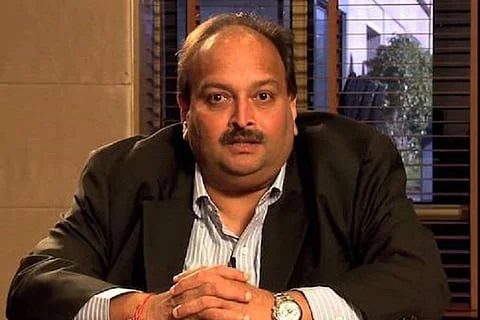
Fugitive businessman Mehul Choksi has withdrawn his multimillion-pound damages claim against the Government of India and other defendants in the UK High Court over his alleged abduction from Antigua in 2021.
Choksi had claimed that Indian authorities and several individuals were involved in an operation to unlawfully kidnap him and take him from Antigua to India through Dominica. He has now abandoned the London proceedings after failing to provide £677,000 in security for legal costs ordered by the court.
What Did Mehul Choksi Allege?
Choksi alleged that the Indian government conspired with five individuals to abduct and torture him before attempting to facilitate his return to India.
The alleged incident occurred on May 23, 2021, when Choksi disappeared from Antigua and was later located in Dominica. His legal case described the episode as an unlawful operation aimed at taking him back to India, where he is wanted in connection with the Punjab National Bank fraud investigation.
The Indian government denied the allegations and challenged the jurisdiction of the UK court. Choksi’s claims were allegations and were not finally determined at a full trial.
Why Did Choksi Withdraw the Case?
The London litigation came to an end after Choksi failed to meet a court order requiring him to provide security for the defendants’ legal costs.
Reports say the High Court had ordered him to provide £677,000 before the case could continue. After the required security was not paid within the specified period, parts of the claim were struck out, and Choksi subsequently withdrew the remaining proceedings.
The available reports do not establish a separate reason from Choksi for his decision to abandon the claim.
Importantly, the withdrawal does not amount to a judicial finding that the alleged kidnapping occurred or that it did not occur. The underlying allegations were not resolved through a full trial.
How Much Will Choksi Have to Pay?
The total amount connected to the court’s security-for-costs order was £677,000, or approximately ₹8.59 crore based on the exchange-rate calculation used in the original report.
The amount included security sought by different defendants involved in the litigation. The court’s proceedings considered issues surrounding the costs of the case and the defendants’ applications rather than issuing a final judgment on the kidnapping allegations themselves.
Choksi Continues to Face Extradition Proceedings
The UK case is separate from Choksi’s extradition proceedings in Belgium.
Choksi remains in custody in Antwerp while challenging efforts to extradite him to India. Indian authorities accuse him of involvement in the wider Punjab National Bank fraud case linked to his nephew, fugitive diamantaire Nirav Modi.
The PNB case has involved multiple investigations and proceedings across countries as Indian agencies seek to pursue people accused of involvement in the alleged financial fraud.
Sandeep Mistry Deported From UAE to India
The Choksi development comes as Indian investigators have secured the return of another accused person linked to the wider Nirav Modi-PNB case.
The Central Bureau of Investigation brought Sandeep Mistry to India from the United Arab Emirates after an Interpol Red Notice was issued against him in July 2026. He arrived in Mumbai late on September 28 and was subsequently taken into CBI custody.
A Mumbai court later remanded Mistry to judicial custody. The CBI has accused him of involvement in fictitious international trade transactions and of acting as an intermediary among entities allegedly connected to the fraud.
What Is Mistry Accused Of?
According to investigators, Mistry allegedly helped manage the operations of Dubai-based entities and communicated with people presented as directors of companies connected to the case.
The CBI has further alleged that he helped facilitate documents relating to fictitious trade in jewellery and used communications designed to conceal evidence. Investigators have also accused him of pressuring nominal directors of overseas companies. These are allegations contained in the criminal investigation and have not been established as convictions in the proceedings.
Two Separate Legal Developments in the PNB Case
Choksi’s withdrawal of his London damages claim and Mistry’s deportation from the UAE represent separate legal developments connected to the broader PNB fraud investigations.
For Choksi, the UK litigation has ended with a £677,000 security-for-costs consequence, while his extradition proceedings in Belgium remain separate.
For Indian investigators, Mistry’s return to India provides another opportunity to pursue allegations concerning the overseas entities and transactions examined in the PNB case.
The developments underline the international dimension of the long-running investigation, which has involved legal proceedings and law-enforcement cooperation across several countries.
-

 Business3 years ago
Pot Odor Does Not Justify Probable Cause for Vehicle Searches, Minnesota Court Affirms
-

 Business3 years ago
New Mexico cannabis operator fined, loses license for alleged BioTrack fraud
-

 Business3 years ago
Alabama to make another attempt Dec. 1 to award medical cannabis licenses
-

 Business3 years ago
Washington State Pays Out $9.4 Million in Refunds Relating to Drug Convictions
-

 Business3 years ago
Marijuana companies suing US attorney general in federal prohibition challenge
-

 Business3 years ago
Legal Marijuana Handed A Nothing Burger From NY State
-

 Business3 years ago
Can Cannabis Help Seasonal Depression
-

 Blogs3 years ago
Cannabis Art Is Flourishing On Etsy