
Energy
Controversy Deepens Against Privatisation Proposal Consultant; Bank Guarantee Seized in Madhya Pradesh

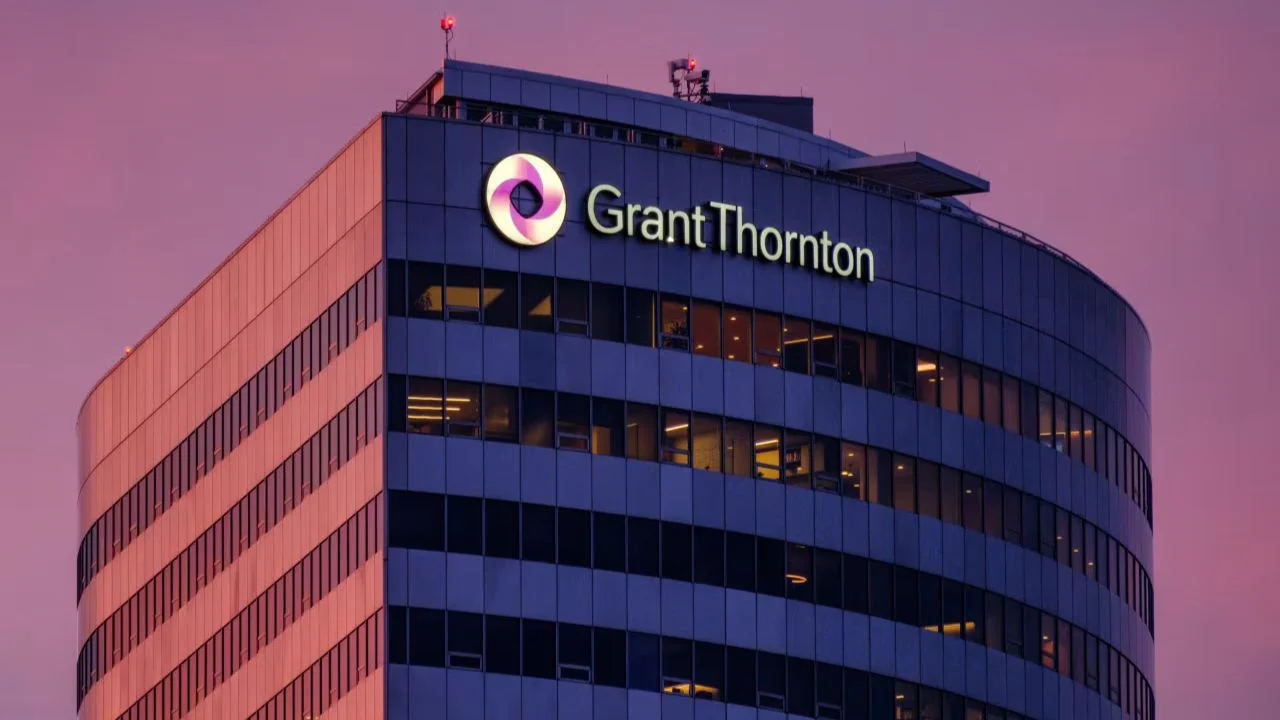
The consulting firm Grant Thornton, tasked with preparing the privatisation proposal for Uttar Pradesh’s electricity distribution companies (DISCOMs), is facing scrutiny following the seizure of its bank guarantee by the Madhya Pradesh Electricity Corporation (MPEC). The move has sparked political and administrative debate, with the State Electricity Consumers Council calling for a high-level investigation.
Grant Thornton had been engaged to provide technical and financial analysis, along with policy recommendations, for the privatisation of Purvanchal Electricity Distribution Corporation Limited and Dakshinanchal Electricity Distribution Corporation Limited. Concerns regarding the firm’s previous performance and regulatory history have now come under renewed focus.
Bank Guarantee Seized
According to the Consumers Council, the MPEC cancelled Grant Thornton’s contract and confiscated its bank guarantee and security deposit in September 2025. These details have recently been made public, although MPEC has yet to issue an official statement explaining the decision.
Council President Avadhesh Verma highlighted that Grant Thornton had previously faced international penalties, including a fine of around USD 40,000 in the United States. While Uttar Pradesh officials had earlier stated that foreign regulatory actions were not applicable domestically, the recent disclosure has reignited questions about the firm’s suitability for handling sensitive government projects.
Calls for Investigation
The State Electricity Consumers Council has demanded an immediate suspension of the privatisation initiative in Uttar Pradesh, arguing that a company with a history of legal or regulatory issues should not oversee critical public infrastructure projects. The council also raised concerns about the transparency of the tender selection process.
In addition, the council has urged a thorough review of the officials involved in drafting the privatisation proposal to identify any potential administrative or financial irregularities. Energy sector experts emphasized that prior to any privatisation, a comprehensive assessment of the consultant’s track record, financial compliance, and legal history is essential.
Public Hearing and Sector Implications
The controversy was also highlighted during a public hearing in Ayodhya on electricity tariff determination conducted by the Power Transmission Corporation. State energy officials and members of the State Electricity Regulatory Commission (SERC) discussed the implications for consumers and tariff-setting processes.
Analysts underline that transparency and reliability are particularly critical in sensitive sectors such as electricity distribution, where privatisation decisions can have broad financial and social impact.
As of now, no formal response has been issued by the energy department or related government agencies. The Consumers Council has warned that it may approach the courts if decisive action is not taken.

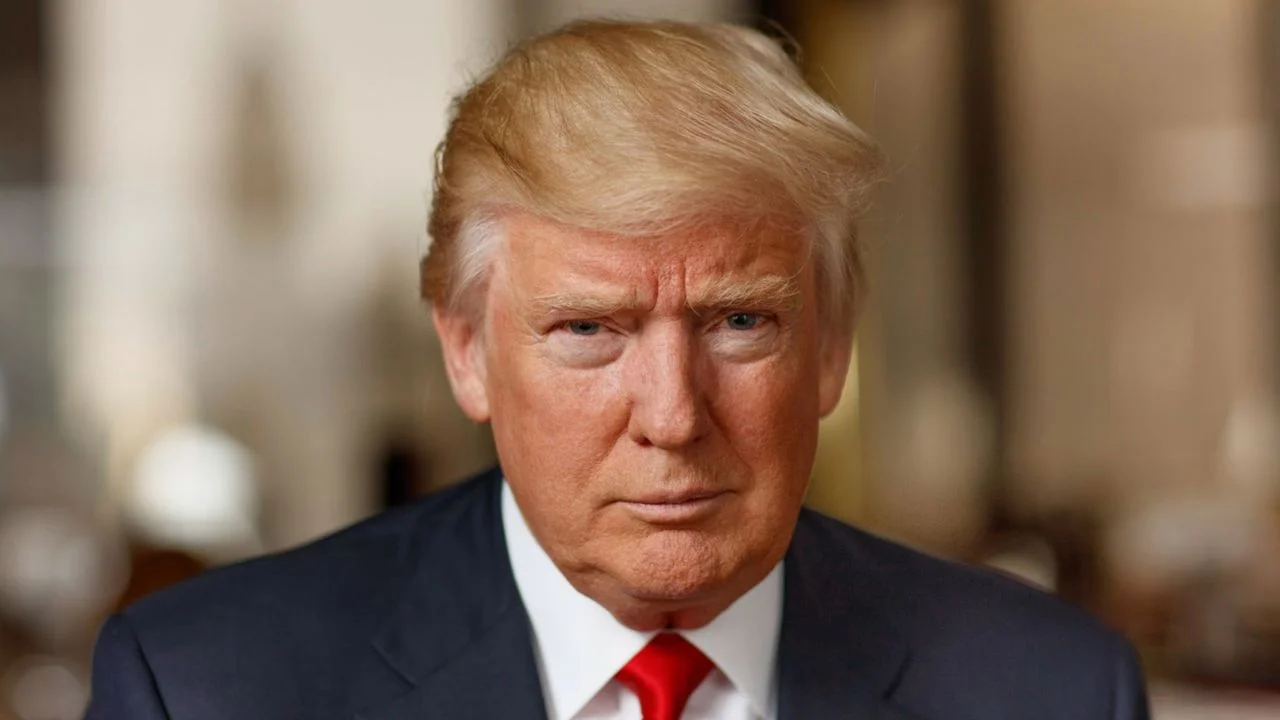
Renewed warnings from US President Donald Trump about potential military action against Iran have reignited geopolitical tensions in West Asia, prompting India to closely assess the possible economic and strategic repercussions. While India’s direct trade links with Iran are modest, experts caution that any escalation could carry indirect but far-reaching consequences through energy markets, supply chains, and regional stability.
The latest standoff follows sharp statements from Washington pressing Tehran to re-enter nuclear negotiations, coupled with threats that any future military action would be severe. Iran has rejected talks conducted under pressure and warned that an attack would be considered an act of war, heightening concerns of a wider regional conflict.
Limited Direct Trade, Larger Indirect Risks
India’s immediate exposure to Iran through trade remains small. Official figures show that exports to Iran account for about 0.3% of India’s total outbound shipments, while imports are below 0.1%. Basmati rice dominates exports, making up more than 60% of shipments, followed by tea and other agricultural goods. Imports primarily consist of fruits, nuts, and a small volume of crude-linked products.
However, analysts stress that the real risks lie beyond headline trade numbers. In January, the US administration announced a 25% tariff on goods from countries continuing trade with Iran. While India’s exposure is limited, such measures could still intensify competitive pressures for certain exporters and complicate payment and logistics cycles.
Credit experts note that basmati rice exports are relatively resilient due to steady demand, but prolonged instability could disrupt shipping routes and strain working capital for exporters. On the import side, items such as dry fruits are largely substitutable if supply chains are disrupted.
Energy Markets Remain the Biggest Concern
The most significant risk for India stems from global oil markets. Iran accounts for roughly 4–5% of global crude oil supply, and although India has stopped importing Iranian oil, it remains highly vulnerable to global price movements. Any disruption to oil flows — particularly through the Strait of Hormuz, a critical shipping corridor — could trigger sharp increases in crude prices.
Recent market reactions to rising tensions have already highlighted this sensitivity, with oil prices briefly spiking before stabilising. Analysts warn that sustained price increases would affect a wide range of sectors, including oil refining, aviation, petrochemicals, paints, specialty chemicals, packaging, and synthetic textiles, depending on companies’ ability to pass on higher costs.
Strategic and Diplomatic Implications
Beyond economics, India’s strategic interests in Iran are also under scrutiny. The Chabahar port project, a cornerstone of India’s regional connectivity strategy, provides access to Afghanistan and Central Asia while bypassing Pakistan. New Delhi has been seeking limited sanctions waivers from Washington to continue its involvement, but renewed pressure on Tehran could complicate these efforts.
A broader conflict would also test India’s diplomatic balancing act between the United States and Iran. New Delhi has traditionally pursued cautious engagement with both sides, aiming to protect its strategic autonomy while maintaining key partnerships. Any escalation could additionally raise concerns about the safety of millions of Indian nationals working across the Gulf region.
Watchful Waiting, With Contingency Planning
Ratings agencies have so far indicated that the current tensions have not materially affected Indian corporate credit profiles or trade flows. However, they caution that a sharper escalation — especially involving maritime disruptions or sustained oil price shocks — could quickly alter this outlook.
Policy analysts say India’s reduced dependence on Iran compared to the past offers some insulation, but not complete protection. Given the globalised nature of energy markets and supply chains, shocks in West Asia inevitably feed into domestic inflation, fiscal pressures, and growth prospects.
For now, New Delhi is monitoring developments closely, engaging diplomatically where possible, and preparing contingency assessments. The episode underscores a familiar reality for an import-dependent economy: even limited direct exposure cannot fully shield it from the ripple effects of global geopolitical conflict.
-

 Business3 years ago
Pot Odor Does Not Justify Probable Cause for Vehicle Searches, Minnesota Court Affirms
-

 Business3 years ago
New Mexico cannabis operator fined, loses license for alleged BioTrack fraud
-

 Business3 years ago
Alabama to make another attempt Dec. 1 to award medical cannabis licenses
-

 Business3 years ago
Washington State Pays Out $9.4 Million in Refunds Relating to Drug Convictions
-

 Business3 years ago
Marijuana companies suing US attorney general in federal prohibition challenge
-

 Business3 years ago
Legal Marijuana Handed A Nothing Burger From NY State
-

 Business3 years ago
Can Cannabis Help Seasonal Depression
-

 Blogs3 years ago
Cannabis Art Is Flourishing On Etsy