
Cannabis Policy
Cannabis Measure Cut from Veterans’ Bill

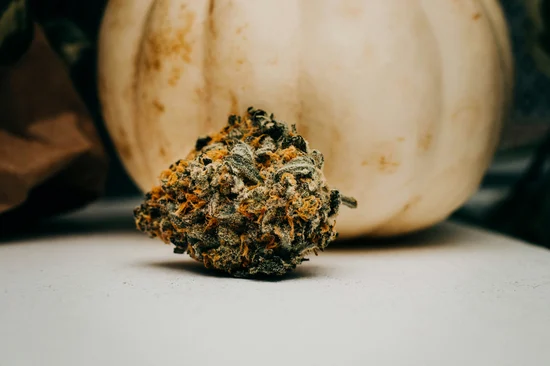
The funding bill to end the government shutdown passed by Congress last week made headlines because of provisions that redefine hemp and ban intoxicating cannabinoids, a policy change that threatens a $28 billion industry. But the funding bill is also significant for language that didn’t make it into the measure: legislation that would have allowed Veterans Administration doctors to recommend the use of medical cannabis by their patients.
Both the Senate and the House of Representatives approved spending bills this year that would have done just that, with slightly different language. Under the bipartisan legislation, the VA would have been prohibited using its budget to enforce rules that bar the department’s doctors from recommending medical cannabis to their patients.
Despite approval from both chambers of Congress, however, the provisions to allow VA doctors to recommend medical cannabis were not included in the bill to fund the government and end the shutdown. Cannabis policy reform advocates decried the omission because many veterans seek the benefits of cannabis to help alleviate symptoms of medical conditions caused by their service.
“Denying our veterans access to a medicine that so many use to ease physical pain, or the trauma of PTSD, is straight cruelty,” Adam Smith, executive director of the Marijuana Policy Project (MPP), told Marijuana Moment.
“VA doctors know that many of their patients are using cannabis, and often reducing their dependence on prescription psych meds or addictive pain medications,” he said. “Denying those doctors the right to consult with their patients around cannabis use is nonsensical, and a disservice to those who have paid the often terrible price of serving and protecting our nation.”
Morgan Fox, political director for the National Organization for the Reform of Marijuana Laws NORML), criticized the timing of the legislation, noting that the deal to end the shutdown was announced immediately before the national holiday to honor America’s veterans.
“The absence of this provision is incredibly disappointing, and makes no sense whatsoever,” Fox said in a statement to Marijuana Moment. “It is uncontroversial, revenue-neutral, previously approved by both chambers, and long overdue in order to help veterans find relief.”
Before the Senate voted on the funding bill, Democratic Sen. Jeff Merkley of Oregon offered an amendment that would have added provisions to allow VA doctors to issue medical marijuana recommendations. The amendment, however, was denied a vote on the Senate floor by GOP leadership, the senator told Marijuana Moment.
“Veterans deserve the same access to the full range of medical advice and options that other folks have—including medical cannabis in states where it’s legal,” Merkley said. “Rather than deliver on our nation’s promise to do all we can to support service members, Senate Republicans have once again stripped out my provision that would allow veterans nationwide to discuss this treatment option with their doctor, like any other patient.”
“That’s just plain cruel, and I’ll keep fighting for the millions of Americans who have bravely served our nation,” Merkley added.
Trump Administration Explores Alternative Therapies
The funding bill’s lack of language to allow VA doctors to recommend medical cannabis to their patients comes after the Trump administration signaled a willingness to explore alternative therapies, including the use of psychedelics as a treatment for some mental health conditions. In June, Department of Health and Human Services Secretary Robert F. Kennedy Jr. appeared before the House Energy and Commerce Committee’s health subcommittee to testify about the potential use of psychedelics to treat trauma-related disorders common among combat veterans.
“This line of therapeutics has tremendous advantage, if given in a clinical setting. And we are working very hard to make sure that that happens within 12 months,” Kennedy said, responding to a question from House Republican and medically retired Navy SEAL Rep. Dan Crenshaw of Texas.
“We are launching clinical trials at [the Food and Drug Administration], and there are 11 clinical trials at VA,” Kennedy said, according to a report from Stars and Stripes. “We need to make sure the science on this is solid, particularly for our retired military service members. The preliminary results are very encouraging. There are people who badly need therapy, and nothing else works for them.”

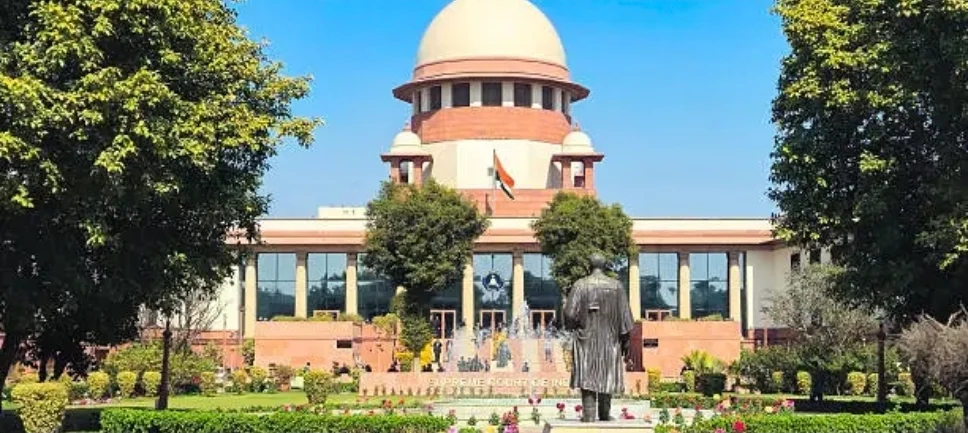
The Supreme Court of India has questioned the sharp difference between the prices at which medicines reach retailers and the maximum retail prices charged to patients, particularly in corporate hospitals.
During a hearing on September 29, a bench of Justices Vikram Nath and Sandeep Mehta examined whether a uniform limit of 16% could be applied to medicine margins. The discussion followed the court’s earlier concern over a cancer medicine with a retailer price of about ₹2,700–₹3,000 but an MRP of ₹27,000.
Court Questions Wide Gap Between Retail Price and MRP
The Supreme Court focused on how such large differences between the Price to Retailer (PTR) and MRP can affect patients who have little choice over where they obtain medicines during hospital treatment.
The bench questioned why different pricing rules should apply to essential and non-essential medicines and asked whether a common 16% margin could be considered across pharmaceutical products. The issue remains under consideration and the court has not imposed such a cap at this stage.
Concerns Over In-House Hospital Pharmacies
The court also examined the purchasing practices of corporate hospitals.
According to the proceedings, patients admitted to some hospitals may be directed to obtain medicines from the facility’s own pharmacy. The bench raised concerns about situations in which hospitals may not accept medicines purchased from outside pharmacies or may decline to provide treatment assurances when patients bring their own drugs.
The issue becomes particularly significant for patients undergoing expensive or long-term treatments, where medicine costs can represent a substantial part of the overall bill.
Impact on Government Health Schemes
The Supreme Court also highlighted the potential effect of high medicine prices on publicly funded healthcare programmes.
Where treatment is reimbursed under government schemes, the court noted that taxpayers ultimately finance the medical expenses. If reimbursement is calculated using substantially inflated MRPs, the difference between procurement costs and the amount reimbursed could increase public expenditure.
The bench also pointed to a consumer-trust problem. If a medicine officially carries an MRP of ₹27,000 but a pharmacy offers it for around ₹3,000, patients may question whether the cheaper medicine is genuine.
Government Seeks Time to Examine the Issue
Solicitor General Tushar Mehta, appearing for the Centre, told the court that the government would need to work out a balanced approach.
The government has been asked to examine the issue with relevant officials before responding further. The court granted additional time for consultations rather than immediately introducing a new pricing rule.
The proceedings are part of a broader case concerning medicine pricing, generic prescriptions and regulation of medical costs. The Supreme Court’s official website lists Justice Vikram Nath and Justice Sandeep Mehta as sitting together in Court No. 2 on September 29, 2026.
Court’s Earlier Warning on Medicine Pricing
The latest hearing follows strong observations made by the Supreme Court earlier in September after it examined the pricing of cancer medicines.
The bench had highlighted an example where a medicine costing roughly ₹2,700 at the retailer level carried an MRP of ₹27,000. The court questioned how such a substantial price difference could be justified when patients are dependent on life-saving medicines.
The court also heard arguments that pharmaceutical manufacturers may not necessarily retain the entire difference between the retailer price and the final amount charged to patients, with significant margins potentially arising at later stages of the supply chain, including retail and hospital sales.
What Happens Next?
The Supreme Court has not yet ordered a nationwide 16% medicine-margin cap. Instead, it has asked the government to consider possible regulatory solutions and return with its response.
The matter is scheduled for further hearing on October 12, when the court is expected to consider the government’s position on medicine pricing and related issues.
Any eventual regulatory change could have implications for patients, hospitals, pharmacies, pharmaceutical companies and government-funded healthcare programmes. For now, the 16% figure remains a proposal raised during the court proceedings rather than an operative rule.
-
 Business3 years ago
Pot Odor Does Not Justify Probable Cause for Vehicle Searches, Minnesota Court Affirms
-

 Business3 years ago
New Mexico cannabis operator fined, loses license for alleged BioTrack fraud
-
 Business3 years ago
Alabama to make another attempt Dec. 1 to award medical cannabis licenses
-
 Business3 years ago
Washington State Pays Out $9.4 Million in Refunds Relating to Drug Convictions
-

 Business3 years ago
Marijuana companies suing US attorney general in federal prohibition challenge
-

 Business3 years ago
Legal Marijuana Handed A Nothing Burger From NY State
-

 Business3 years ago
Can Cannabis Help Seasonal Depression
-

 Blogs3 years ago
Cannabis Art Is Flourishing On Etsy