
Healthcare
31 Days Without Weed – A Stoner’s Reflections on Sober October


Sober October is over, so how did it go giving up cannabis for 31 days?

As some of you may know, I recently underwent the “Sober October challenge” where I was going to abstain from cannabis, alcohol, coffee, among other things – while working out instead. Now as we have reached the final day of October, I am happy to report that tonight at 12:00 AM I’ll be smoking a joint and joining the ranks of “stonerdom”.
I thought it would be a good thing to write this follow up to share the experiences I have learned, whether or not abstaining weed was difficult to do or not, and which of the challenges I failed.
I can tell you for certain that not smoking weed was by far one of the easier aspects of the challenges, however, there are other substances and activities I found to be more difficult to achieve and I’ll be diving in deeper about “why” I think it was so.
So let’s get into it.
Why did I decide to do Sober October this year?
I wrote extensively about my challenge in the beginning of the month, which you can read here. To give you a quick summary I set out to achieve a few things;
- Zero Weed
- Zero Booze
- Reduced Sugar Intake
- Semen Retention (aka No Fap)
- Massive Coffee Reduction
I also set out to do exercise either via Yoga or some other form of exercise.
The reason I decided to take up this challenge was to see how dependent I was on these activities. Michael Pollon, who is a drug researcher and is currently deeply into psychedelic research once said, “You don’t know how much you depend on a drug until it’s gone!”
He was referring to his own experience when he gave up coffee for 90 days. Personally, as a psychonaut, I think it’s important to analyze the relationship we have with the drugs we frequent, which is why I decided on weed, sugar, and coffee as my main substances. The No Fap aspect was more an experiment in self-control which had its own unique results I will continue to explore into the month of November.
As for alcohol, I never really had a problem with it, but I decided that if I can’t smoke weed, I shouldn’t substitute the lack of cannabis for alcohol and therefore prohibited myself from consuming any of these substances.
Now after 31 days of abstinence, I had the opportunity to re-examine my relationship to the drugs I use on the regular. The following will be an exploration of each substance.
Weed
To put things into context. As a writer, I can sit in my boxers and smoke weed all day and as along as I deliver on my deadlines – nobody would be the wiser. As a video editor and content creator, I actually like to get a bit high to do these kinds of tasks. It really helps you focus in on the work.
I don’t like to smoke weed as much when I’m writing. It kind of interrupts my focus as I begin to think divergently about many things simultaneously or perhaps get sucked into a “time wasting activity” when I’m doing research.
Therefore, I’m typically sober when I write, but I do enjoy smoking weed throughout the day. I have been smoking daily for the past few years, perhaps with a day or two break, but I can safely say I have smoked weed every day for nearly twenty years.
As mentioned, there might have been a few times where I had to not smoke – but for the vast majority of this time I smoked at least 2-3 times a day. Never amazingly large quantities (not anymore), however, I might have a few tokes of some killa-B in the afternoon and at night to help me unplug from the stresses of the day.
So how did stopping cold turkey go for me?
I’ve heard many people say that “weed is addictive” and perhaps from their personal experience this is true, however, for myself – I didn’t have too much of a problem. Yes, the first two days I did feel a “dip” in my performance and had a slight headache…but I also didn’t get a lot of sleep the previous evening due to a toddler waking up in the early morning hours.
I did notice a bit of irritability with the world in general. Bad drivers seemed to “get to me” a bit more than usual and my level of tolerance to people’s bullshit decreased.
Over time, this waned out and I was okay in general. As for performance at work. I didn’t really notice a big difference. I have always been pretty good at sticking with deadlines and with the lack of weed this didn’t change much.
Maybe I got to work a bit faster, but I also needed to take breaks more frequently whereas with weed, I could easily pull 12-16 hours shifts while smoking weed. Without it, I had to get up and stretch more often. Whether this is a good thing or not is still to be debated.
After the initial 2-3 days of stopping smoking, my body went back to baseline. It turns out that while I truly enjoy smoking cannabis, it’s not difficult for me to abstain from it. In fact, I realized that I don’t even keep my “anxiety” in check because it seems that I don’t have that much baseline anxiety.
This is probably due to the fact that I regularly practice breathwork. Even with cannabis, I check in on my breath daily and if I feel anxiety building up, I breathe it out and reset my brain.
It was certainly interesting since the past month has been one of the most difficult months I had the entire year. I have plenty of reasons to be anxious and the fact that the majority of my clients had some issue in paying me, coupled with cost of living on the rise…it certainly wasn’t easy.
However, I didn’t “need” to smoke cannabis to deal with the anxiety.
Therefore I can only conclude that I smoke cannabis mainly for pleasure. I don’t feel like I have an underlying medical condition that I’m trying to treat with it, not did it affect my performance or behavior in any significant way.
It was relatively easy to abstain with maybe one day of a slight headache as a result of the sudden drop of phytocannabinoids intake.
Alcohol
As a result of the ease of not smoking marijuana, not drinking alcohol was easy. The month leading up to sober October, I did get a bit drunk a few times, however, I can buy a bottle of liquor and it can sit in my kitchen for months before I “want to drink”. Therefore, this was also incredibly simple to abstain from. In fact, from all the substances, this was by far the easiest for me.
Coffee
Now here was a problem. I realized that I am heavily addicted to caffeine. The first week I limited myself to three cups, then the following week to two, the third week one – however, I couldn’t go without drinking coffee and in the last week said, “Screw this” and drank coffee at will.
I realized that without coffee, I would get major withdrawals in the form of headaches, grogginess, wanting to sleep throughout the day, mental fog, etc.
Considering that I had to produce work, this was something I had to abandon at some point during the month. I also thought, “perhaps I’m trying to NOT-CONSUME too many substances at once, and understanding that coffee helps me with writing and work – I couldn’t afford to NOT drink.
Nonetheless, I did manage to bring my daily coffee intake to no more than three. Of course, there are a few days when I need to pull an “all-nighter” and in those cases I would drink coffee later. However, a few times I drank coffee “too late” and this kept me up throughout the night. Then, with one bad cycle of sleep, I would need more coffee to cope with the day.
At the end of the day, I realized that my heaviest dependency is coffee and that one day I will go for 30-60 days without drinking the elixir. However, before I attempt that I’ll buy a few pounds of “Yerba Mate” – a herbal brew that provides similar effects as coffee, but does not contain caffeine.
The reason I need a substitute is because I will tank at work without one of these stimulants coursing through my veins.
Sugar
While I might be a chocolate fiend, the truth of the matter is that I typically restrain myself pretty well when it comes to sugar intake. However, for the whole month I decided to even cut back the few indulgences that I do permit myself to have.
Once again, for me it wasn’t too difficult, but I certainly did “feel” the difference in my body. Sugar is definitely one of the more addictive substances on my list and depending on how “hooked” you are to the sweetness, this can prove to be a difficult thing.
In fact, it made me think about how we are priming our children’s minds by giving them candy and the likes. Programs like D.A.R.E always said that cannabis is a gateway drug, but arguably sugar is the first drugs we give to children.
In fact, every Halloween, we let our little drug addicts dress up and beg for their fix so they can binge at a later stage. Sugar is shown to be roughly as addictive as cocaine, and therefore, I think sugar is probably something that we all should consume in moderation.
Nonetheless, I managed to get through the month with minimal sugar intake.
Semen Retention
This is a weird experience. Firstly, I discovered that when you stop ejaculating, you can increase testosterone by up to 400% after a few days. While I didn’t make the entire month, I did do significant bouts without “alleviating” myself.
I definitely noticed some benefits, but I’m going to be exploring this subject further in the coming month which is why for the moment I’m going to keep my comments to a minimal. The truth of the matter is that this is an exercise of will. It’s taking your biological imperative and harnessing the energy of it, allowing you to redirect your effort to other things.
I think while Porn isn’t a problem for many people, there are more men struggling with this addiction that many others – and while not “socially accepted”, it’s definitely tolerated.
As I investigate this subject more, I’ll elaborate if you are interesting. Just mail my editor and make the “No Fap” request and I’ll do a deep dive.
Exercise
Finally, the whole idea of Sober October is to remove bad habits and to focus on better ones. I did manage to do exercise sporadically, but the main issue for me about this was that I have a 14 month old baby, meaning that most of my time is spread between work and taking care of the kid. My wife takes the bulk of the childcare, but I’m the one that takes the night shifts after work – and once the kid sleeps at about 10-11 PM, I try to do some additional side hustles.
This means I sometimes sleep at 1 AM – 2 AM, meaning I don’t wake up early enough to get a good workout. I know this is my inner bitch making up excuses, but I haven’t fully mastered this aspect of my workout routine.
This coming month I’ll be focusing more on that as well, even though I need to move – which will be “kind of” doing exercise due to all the heavy lifting. Also, I do walk the dog for 2-3 km every day – so it’s not like I’m sitting on my ass all day.
Sticky Bottom Line
In conclusion, I found that “quitting weed” was remarkably easy. For someone who has smoked non-stop for a few years to go “cold turkey” and not really have any noticeable side effects makes me realize that “I don’t have a problem with weed!”
While I do find it beneficial to purge every now and then, I think I’ll do it once or twice a year from now on. I’m hoping that by smoking, I can take smaller doses less frequently.
I find great benefit with cannabis, especially due to the nature of my work. Therefore, I believe I’ll be consuming this until I’m grey and old.
The only advice I would give to those who want to quit or cut back on smoking weed – just set yourself a 30-day challenge, follow it through, and in this process you’ll learn more about yourself than you can imagine.
Source: https://cannabis.net/blog/opinion/31-days-without-weed-a-stoners-reflections-on-sober-october










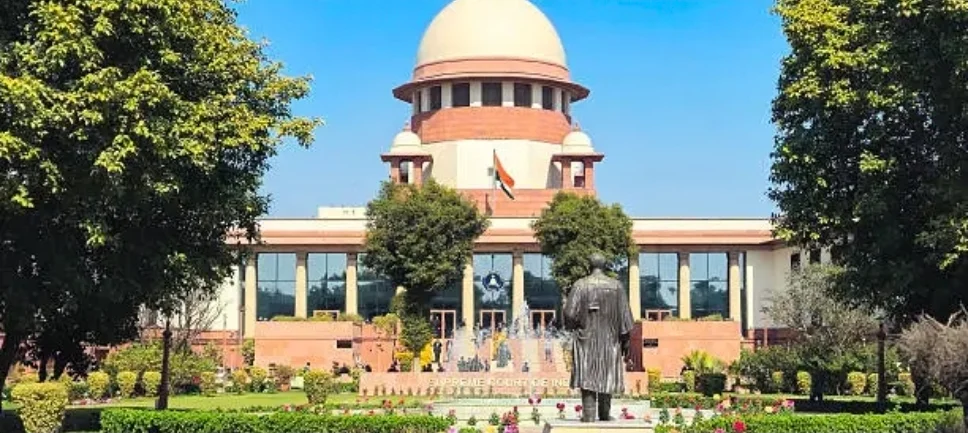
The Supreme Court of India has questioned the sharp difference between the prices at which medicines reach retailers and the maximum retail prices charged to patients, particularly in corporate hospitals.
During a hearing on September 29, a bench of Justices Vikram Nath and Sandeep Mehta examined whether a uniform limit of 16% could be applied to medicine margins. The discussion followed the court’s earlier concern over a cancer medicine with a retailer price of about ₹2,700–₹3,000 but an MRP of ₹27,000.
Court Questions Wide Gap Between Retail Price and MRP
The Supreme Court focused on how such large differences between the Price to Retailer (PTR) and MRP can affect patients who have little choice over where they obtain medicines during hospital treatment.
The bench questioned why different pricing rules should apply to essential and non-essential medicines and asked whether a common 16% margin could be considered across pharmaceutical products. The issue remains under consideration and the court has not imposed such a cap at this stage.
Concerns Over In-House Hospital Pharmacies
The court also examined the purchasing practices of corporate hospitals.
According to the proceedings, patients admitted to some hospitals may be directed to obtain medicines from the facility’s own pharmacy. The bench raised concerns about situations in which hospitals may not accept medicines purchased from outside pharmacies or may decline to provide treatment assurances when patients bring their own drugs.
The issue becomes particularly significant for patients undergoing expensive or long-term treatments, where medicine costs can represent a substantial part of the overall bill.
Impact on Government Health Schemes
The Supreme Court also highlighted the potential effect of high medicine prices on publicly funded healthcare programmes.
Where treatment is reimbursed under government schemes, the court noted that taxpayers ultimately finance the medical expenses. If reimbursement is calculated using substantially inflated MRPs, the difference between procurement costs and the amount reimbursed could increase public expenditure.
The bench also pointed to a consumer-trust problem. If a medicine officially carries an MRP of ₹27,000 but a pharmacy offers it for around ₹3,000, patients may question whether the cheaper medicine is genuine.
Government Seeks Time to Examine the Issue
Solicitor General Tushar Mehta, appearing for the Centre, told the court that the government would need to work out a balanced approach.
The government has been asked to examine the issue with relevant officials before responding further. The court granted additional time for consultations rather than immediately introducing a new pricing rule.
The proceedings are part of a broader case concerning medicine pricing, generic prescriptions and regulation of medical costs. The Supreme Court’s official website lists Justice Vikram Nath and Justice Sandeep Mehta as sitting together in Court No. 2 on September 29, 2026.
Court’s Earlier Warning on Medicine Pricing
The latest hearing follows strong observations made by the Supreme Court earlier in September after it examined the pricing of cancer medicines.
The bench had highlighted an example where a medicine costing roughly ₹2,700 at the retailer level carried an MRP of ₹27,000. The court questioned how such a substantial price difference could be justified when patients are dependent on life-saving medicines.
The court also heard arguments that pharmaceutical manufacturers may not necessarily retain the entire difference between the retailer price and the final amount charged to patients, with significant margins potentially arising at later stages of the supply chain, including retail and hospital sales.
What Happens Next?
The Supreme Court has not yet ordered a nationwide 16% medicine-margin cap. Instead, it has asked the government to consider possible regulatory solutions and return with its response.
The matter is scheduled for further hearing on October 12, when the court is expected to consider the government’s position on medicine pricing and related issues.
Any eventual regulatory change could have implications for patients, hospitals, pharmacies, pharmaceutical companies and government-funded healthcare programmes. For now, the 16% figure remains a proposal raised during the court proceedings rather than an operative rule.

U.S. federal authorities have secured the return of a fugitive suspect accused of involvement in a massive Medicare fraud operation, following his arrest in Türkiye. The extradition marks a significant development in a major healthcare fraud investigation that allegedly cost the American healthcare system billions of dollars.
The suspect, Ibrahim Khaldoon Hilmi, is now in federal custody after spending more than a year outside the United States. Prosecutors are expected to move forward with criminal proceedings as investigators continue to examine what authorities describe as a sophisticated fraud network targeting public healthcare funds.
International Manhunt Ends with Arrest in Türkiye
According to federal investigators, Hilmi left the United States in May 2025 while authorities were building their case. Law enforcement agencies later tracked his location to Türkiye, where cooperation between U.S. and Turkish officials led to his detention.
Following the completion of legal and diplomatic procedures, the suspect was transferred to American custody. Officials described the operation as a successful example of international law enforcement collaboration in pursuing suspects accused of large-scale financial crimes.
A specialized FBI team reportedly traveled to Türkiye to coordinate the transfer and ensure the extradition process was completed smoothly.
Alleged Scheme Targeted Medicare Reimbursement System
Investigators allege that Hilmi played a central role in a fraudulent operation that exploited the Medicare reimbursement system through false claims and improper billing practices.
Authorities estimate that the alleged scheme involved financial losses equivalent to approximately ₹31,700 crore, making it one of the most significant healthcare fraud investigations in recent years.
While the allegations have yet to be tested in court, investigators believe the operation relied on complex financial transactions and coordinated activities designed to extract funds from a government healthcare program serving millions of beneficiaries.
Federal Agencies Expand Investigation
The case extends beyond a single suspect. Federal authorities are examining the potential involvement of additional individuals, businesses, and organizations believed to be connected to the alleged fraud network.
Investigators are reviewing banking records, financial transactions, corporate structures, and digital evidence to determine the full scope of the operation and identify any additional participants.
Officials indicated that tracing the movement of funds and uncovering potential links between entities remains a key focus of the ongoing investigation.
Healthcare Fraud Remains a Major Concern
Government agencies continue to treat Medicare fraud as a serious threat because it impacts taxpayer-funded healthcare resources intended for legitimate medical services.
Authorities argue that fraudulent claims can divert critical funding, increase administrative costs, and place additional pressure on public healthcare programs. As healthcare systems become increasingly digitized, fraud schemes have also become more sophisticated and difficult to detect.
Financial crime specialists note that modern healthcare fraud investigations often involve shell companies, layered transactions, and cross-border financial networks that require extensive forensic analysis.
Growing Importance of Global Law Enforcement Cooperation
The successful return of Hilmi highlights the increasing role of international cooperation in combating financial crime. Law enforcement agencies worldwide are relying more heavily on cross-border partnerships to locate and apprehend suspects who attempt to evade prosecution by relocating overseas.
Officials say such collaborations are essential as financial crimes become increasingly global in nature, involving multiple jurisdictions and complex international money flows.
Legal Proceedings Ahead
The U.S. Department of Justice is expected to present evidence against the suspect as court proceedings move forward. Prosecutors will seek to establish the extent of the alleged fraud and determine accountability among those involved.
The outcome of the case could influence future enforcement efforts aimed at protecting public healthcare programs and strengthening safeguards against large-scale financial misconduct.
For federal authorities, the extradition of Ibrahim Khaldoon Hilmi represents a major step in an ongoing campaign to crack down on healthcare fraud and recover public funds allegedly lost through criminal schemes.

Cybercriminals have defrauded doctors across Telangana of nearly ₹30 crore since September 2024, prompting authorities to strengthen awareness campaigns and cybersecurity education within the healthcare sector.
The alarming figures were revealed during a cyber awareness programme organized by the Telangana Cyber Security Bureau (TGCSB) in Hyderabad. Senior officials warned that healthcare professionals are increasingly becoming targets of sophisticated online scams despite their educational and professional backgrounds.
Healthcare Professionals Under Growing Cyber Threat
Addressing representatives from various medical associations, TGCSB Director Shikha Goel highlighted the rising number of cybercrime incidents involving doctors and healthcare workers. She emphasized that cybercriminals are exploiting digital platforms to target individuals across all professions, including highly qualified medical practitioners.
Officials stressed that vigilance, awareness, and prompt reporting remain the strongest defenses against cyber fraud. The event focused on strengthening cooperation between law enforcement agencies and the medical fraternity to improve preparedness against evolving cyber threats.
More than 70 office-bearers from medical organizations across Telangana attended the session, including presidents, secretaries, treasurers, and senior representatives.
Investment Scams Responsible for Major Financial Losses
According to TGCSB data, at least 735 doctors have reported cybercrime-related incidents since September 2024, with total losses reaching approximately ₹29.88 crore.
Business and investment fraud emerged as the most damaging category, accounting for losses of ₹22.39 crore involving 127 victims. Investigators noted that fraudsters often lure professionals with promises of high returns, fake investment opportunities, and deceptive business schemes.
Authorities also reported a wide range of other cyber offences affecting doctors, including digital arrest scams, identity theft, impersonation fraud, fake advertisements, job-related scams, insurance fraud, cryptocurrency fraud, UPI-related cheating, matrimonial scams, and sextortion cases.
Authorities Stress Importance of Rapid Reporting
The Telangana Cyber Security Bureau urged victims to report cybercrime incidents immediately, especially during the critical “golden hour” after a fraudulent transaction occurs.
Officials explained that timely complaints through the national cybercrime helpline 1930 and the official cybercrime reporting portal can significantly improve the chances of freezing suspicious transactions and recovering stolen funds.
The bureau further warned that cybercriminals are employing increasingly advanced techniques to deceive victims, making awareness and quick action more important than ever.
Medical Associations Join Awareness Drive
Representatives from associations of paediatricians, cardiologists, dentists, orthopaedic surgeons, gynaecologists, and hospital administrators participated in the discussions. The groups pledged to work closely with authorities to spread cybersecurity awareness through hospitals, clinics, medical conferences, and professional training programmes.
Officials believe that expanding cyber awareness among healthcare professionals will play a key role in reducing financial fraud and strengthening digital security across the state’s medical community.
As cyber threats continue to evolve, law enforcement agencies are encouraging doctors and other professionals to remain cautious when responding to investment offers, unknown communications, and requests for sensitive financial information online.
-
 Business3 years ago
Pot Odor Does Not Justify Probable Cause for Vehicle Searches, Minnesota Court Affirms
-
 Business3 years ago
New Mexico cannabis operator fined, loses license for alleged BioTrack fraud
-
 Business3 years ago
Alabama to make another attempt Dec. 1 to award medical cannabis licenses
-
 Business3 years ago
Washington State Pays Out $9.4 Million in Refunds Relating to Drug Convictions
-
 Business3 years ago
Marijuana companies suing US attorney general in federal prohibition challenge
-

 Business3 years ago
Legal Marijuana Handed A Nothing Burger From NY State
-

 Business3 years ago
Can Cannabis Help Seasonal Depression
-

 Blogs3 years ago
Cannabis Art Is Flourishing On Etsy